
260×340mm Mini OCA Bubble Remover Machine
Our 260×340mm mini OCA bubble remover machine is built for exactly that gap. It is a compact benchtop autoclave that delivers the same controlled pressure-and-heat defoaming principle used in producti...
GET QUOTE NOW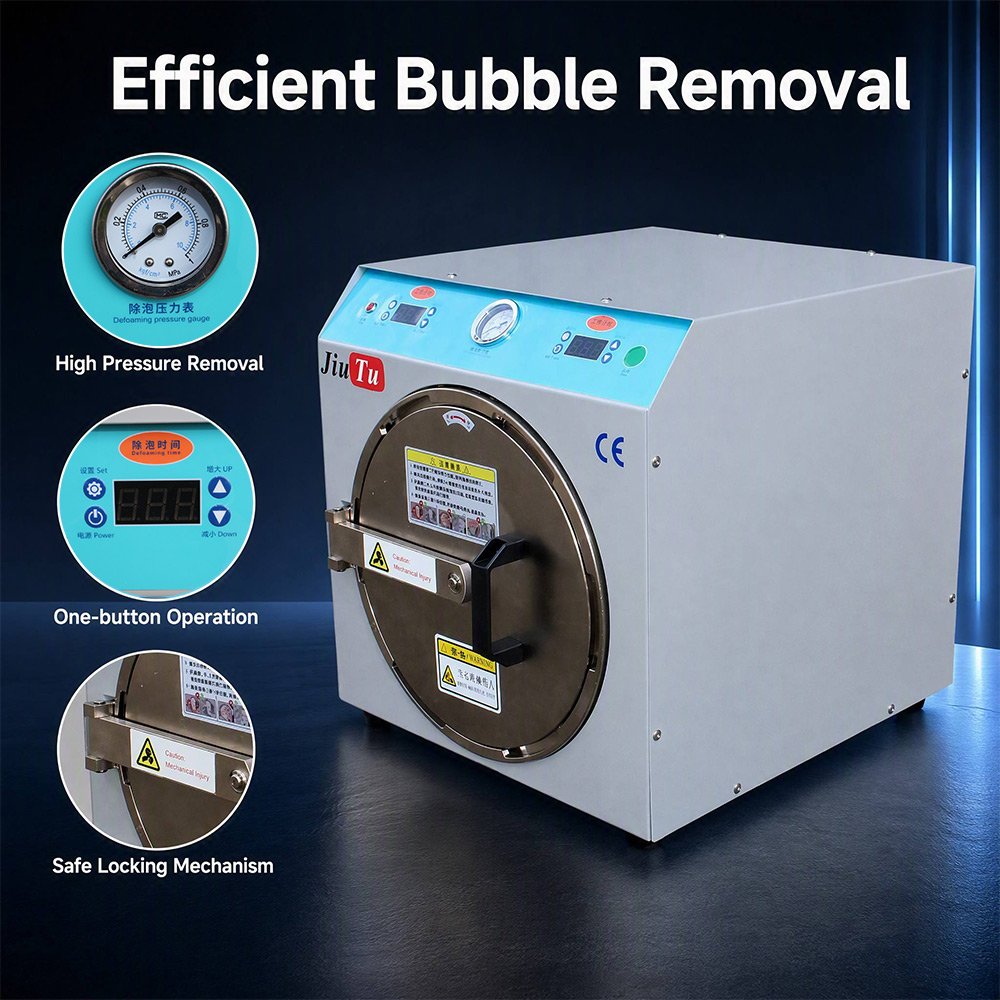
260×340mm Mini OCA Bubble Remover Machine — Compact Benchtop Autoclave for Phone & Tablet Screen You do not need a factory-scale machine to fix screen bubbles properly.
You do not need a factory-scale machine to fix screen bubbles properly.
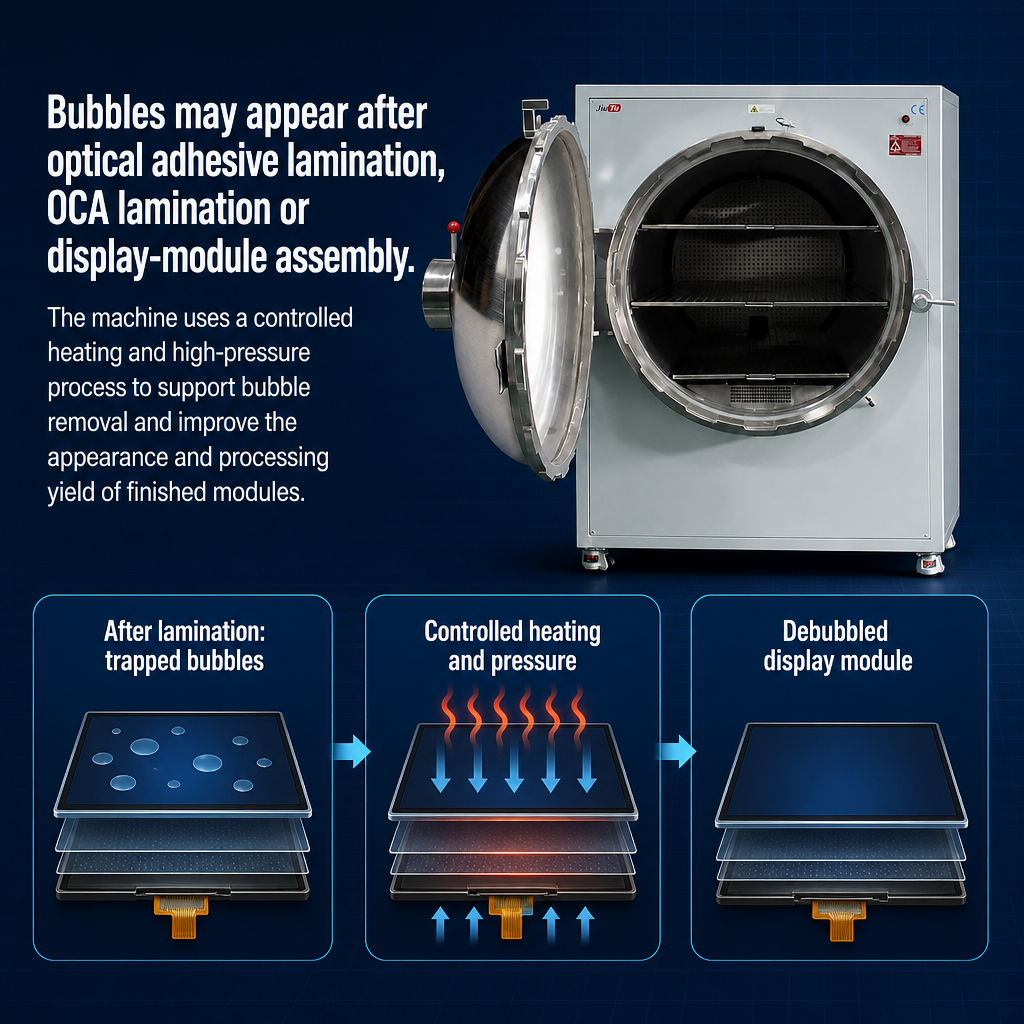
Most independent shops face the same problem: after OCA lamination, residual air ruins an otherwise perfect screen — but the industrial defoaming autoclaves on the market are too large, too expensive, and demand more bench space and air supply than a small workshop can justify.
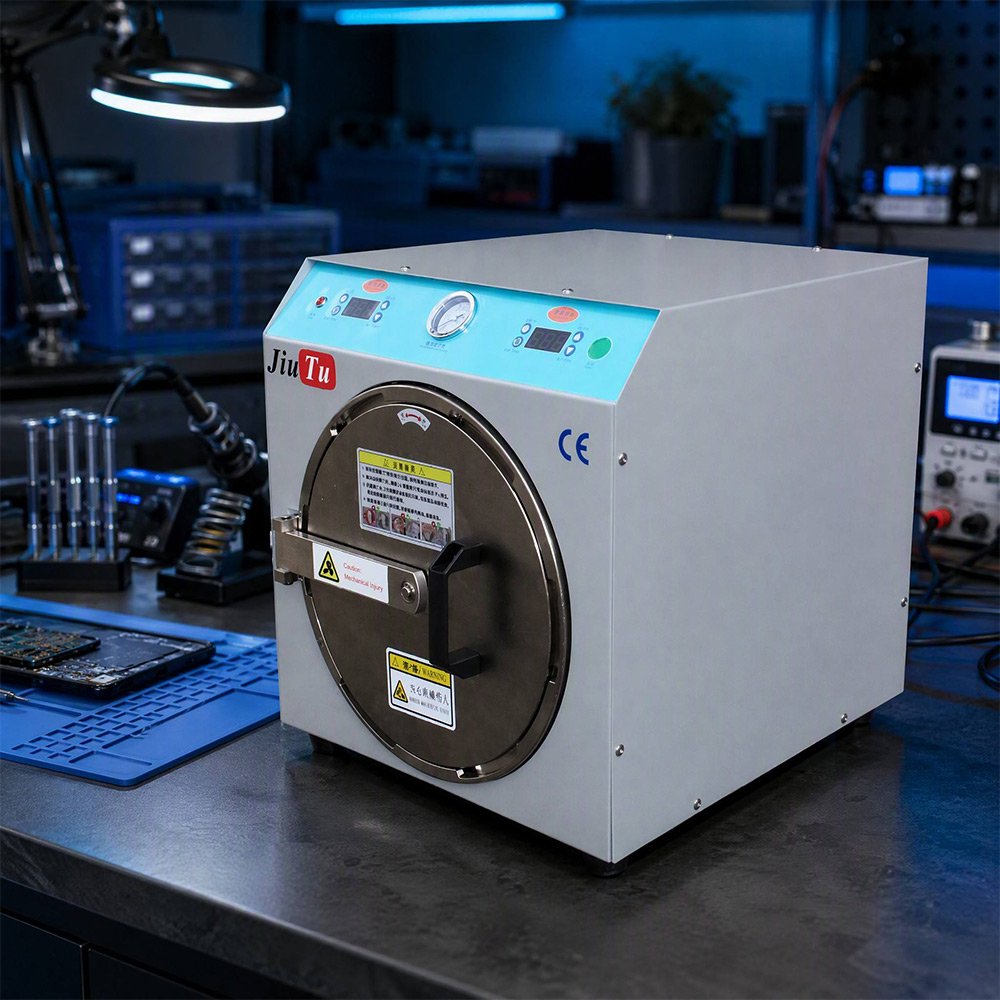
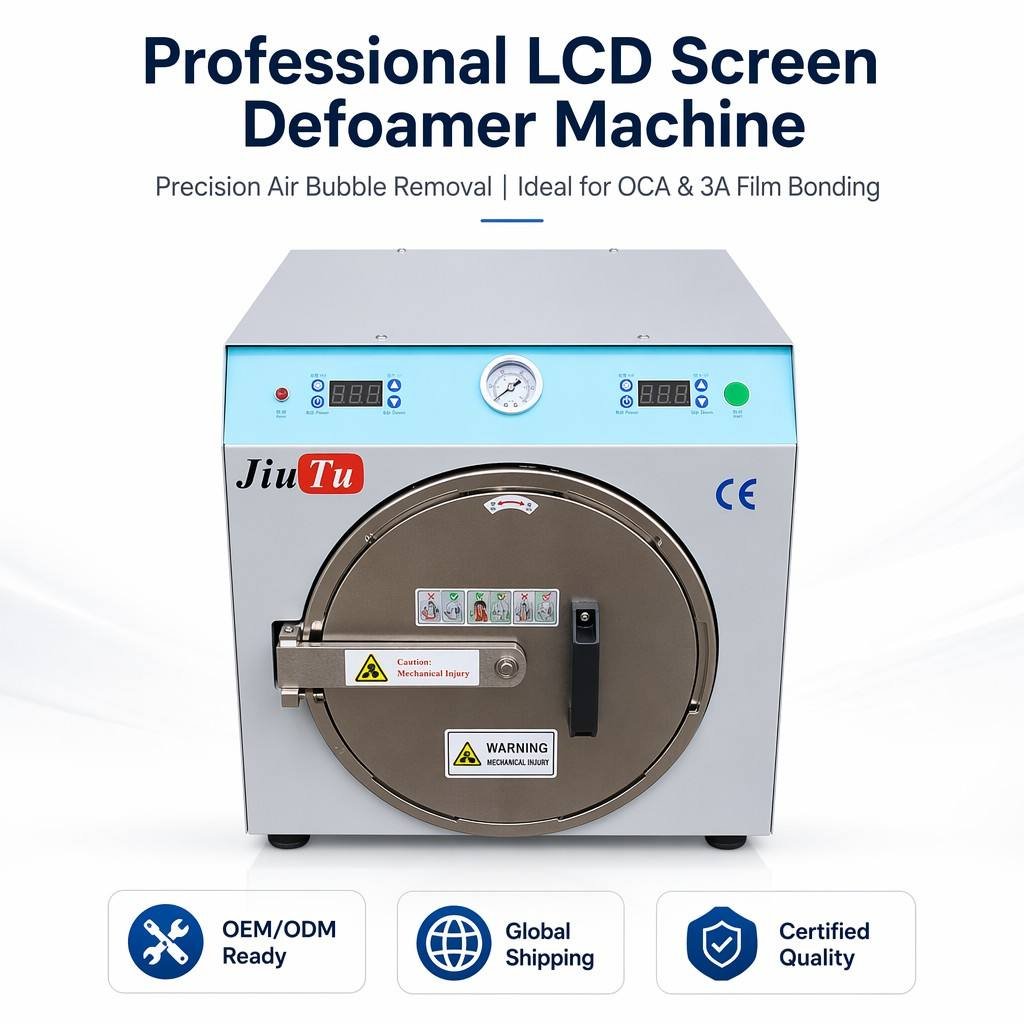
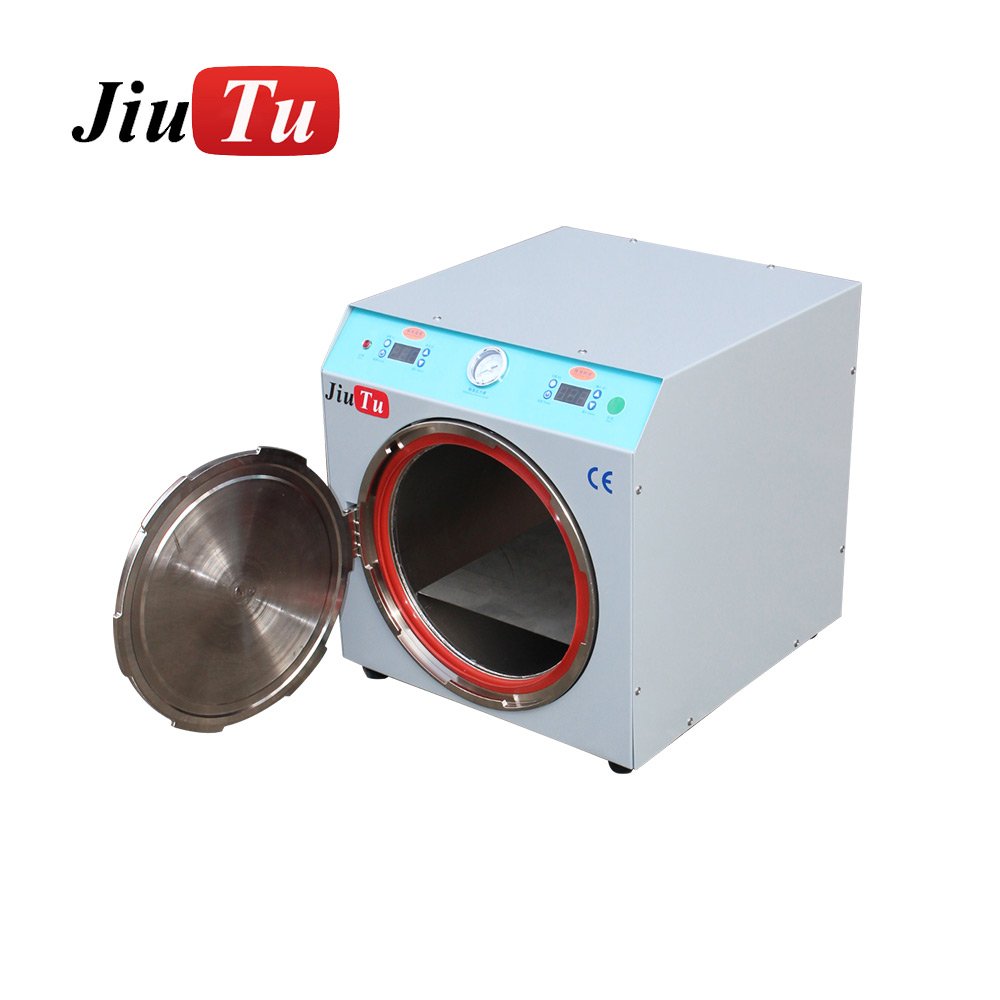
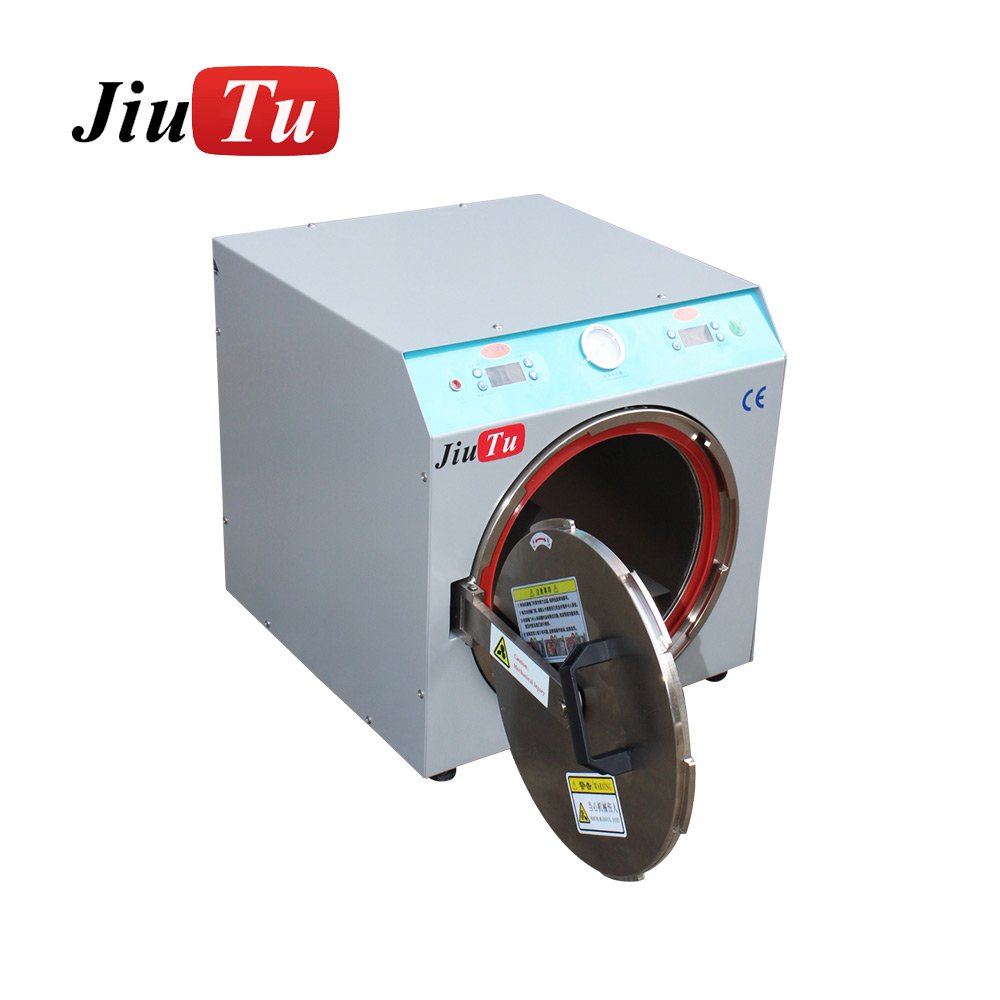
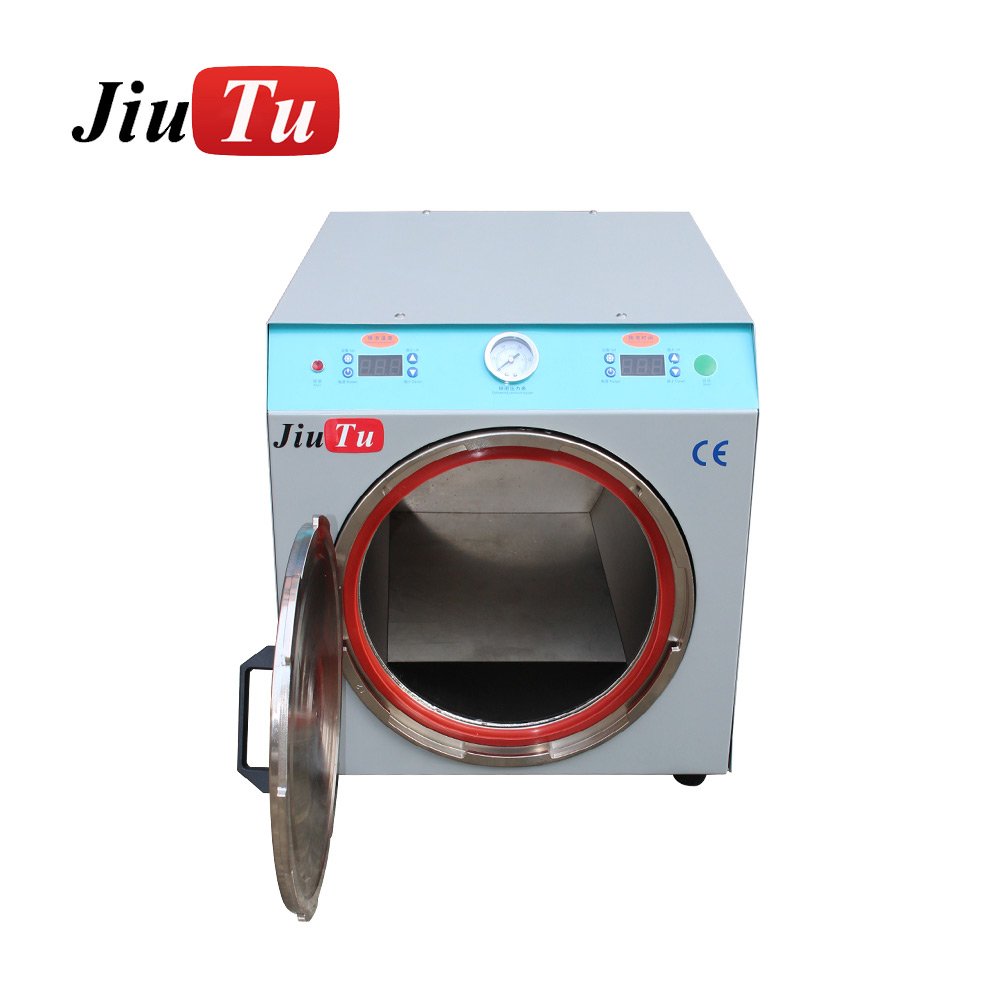
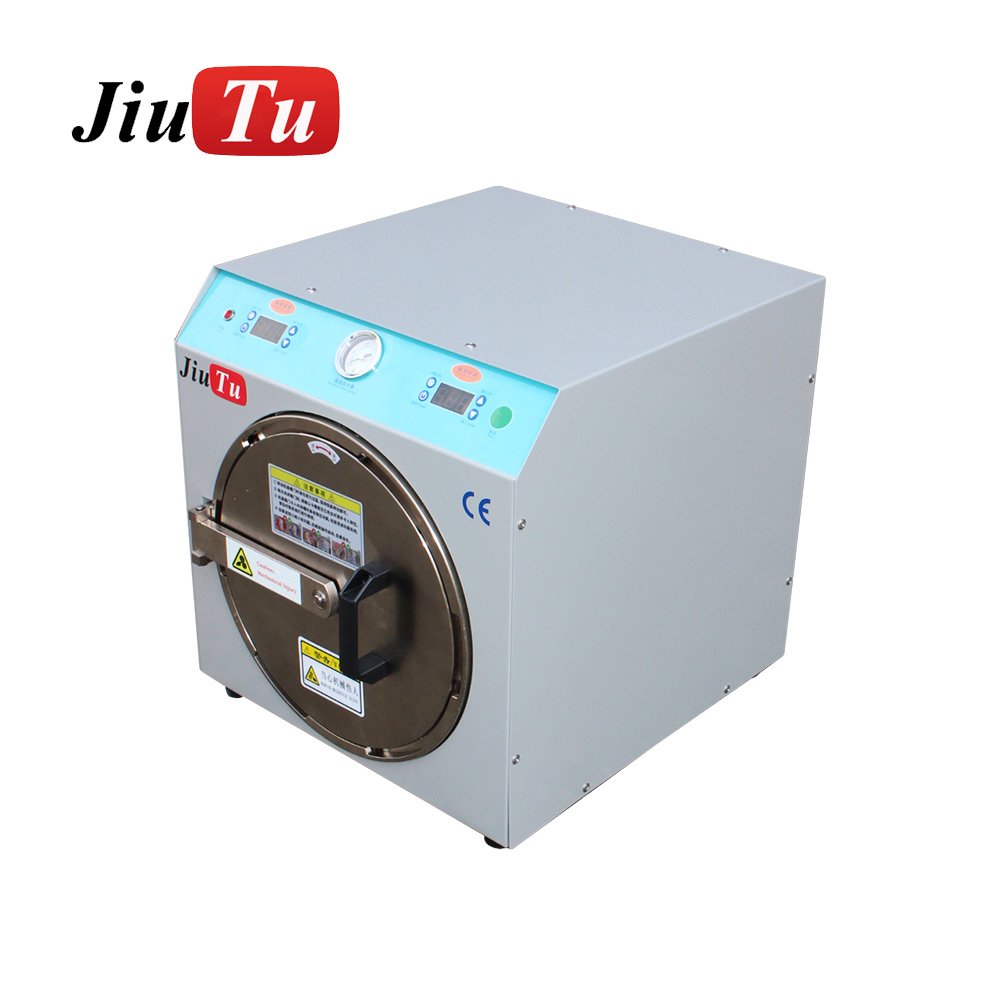
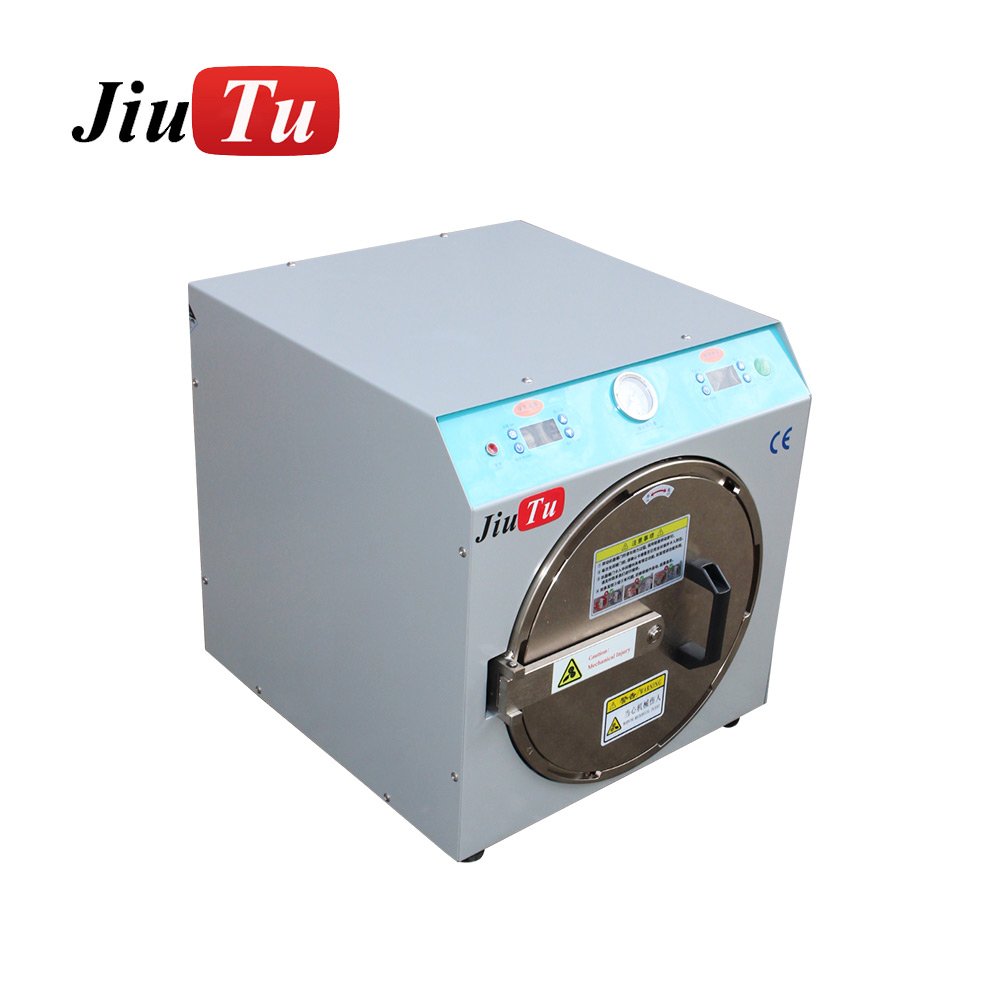
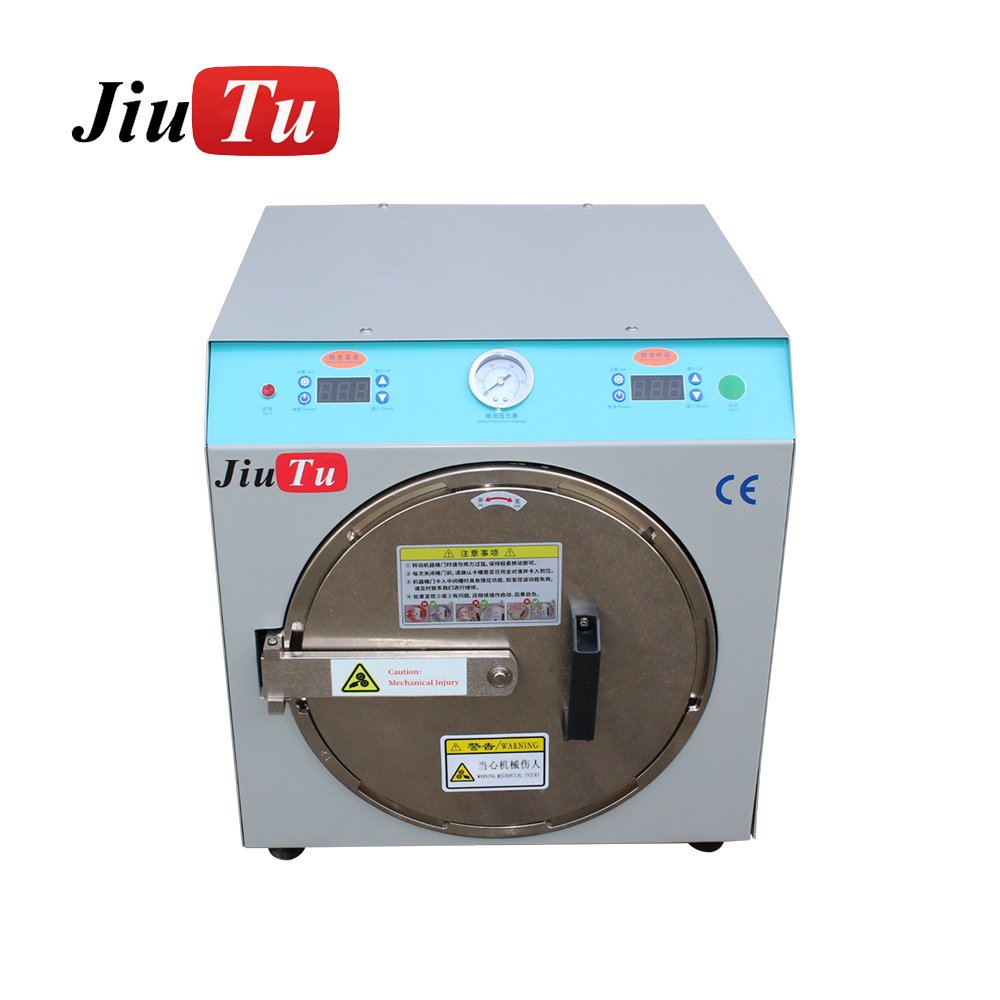
Our 260×340mm mini OCA bubble remover machine is built for exactly that gap. It is a compact benchtop autoclave that delivers the same controlled pressure-and-heat defoaming principle used in production lines, scaled down to fit a standard bench and a small shop’s budget.
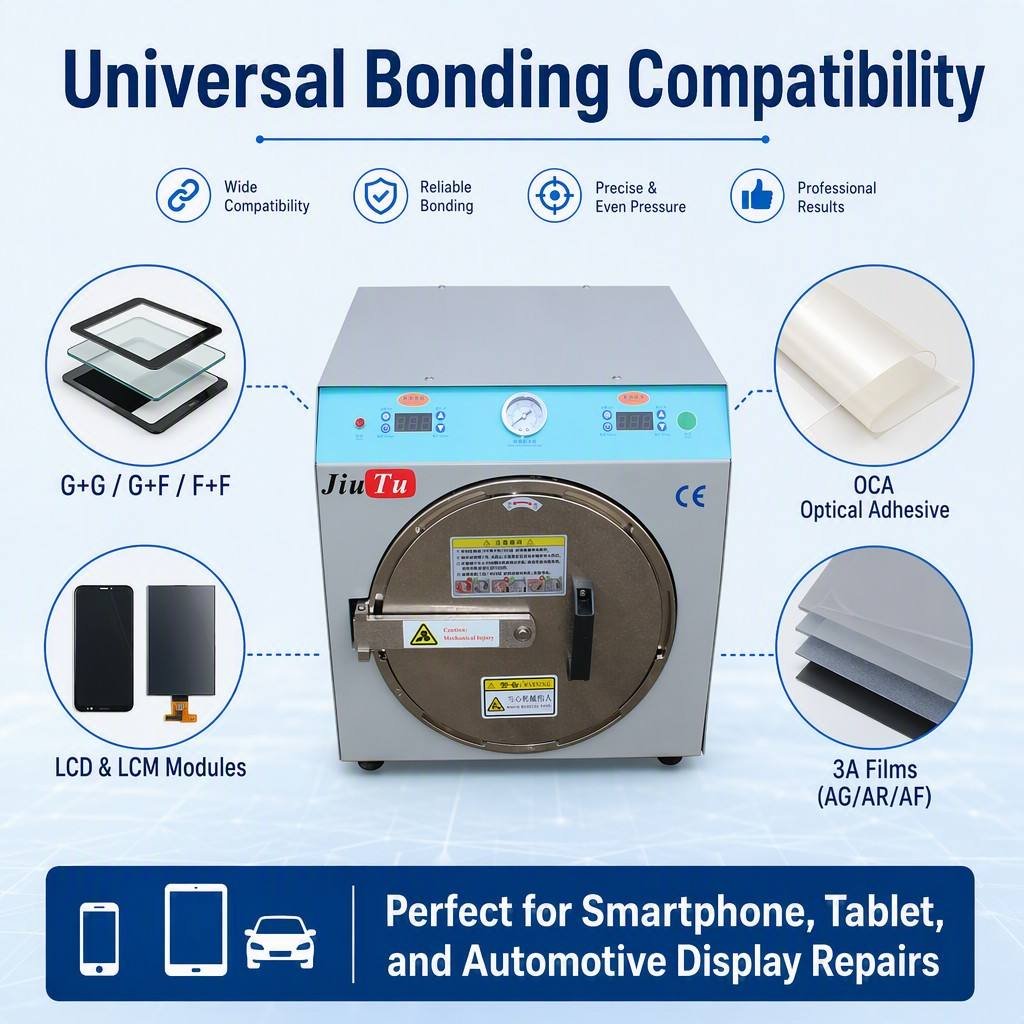
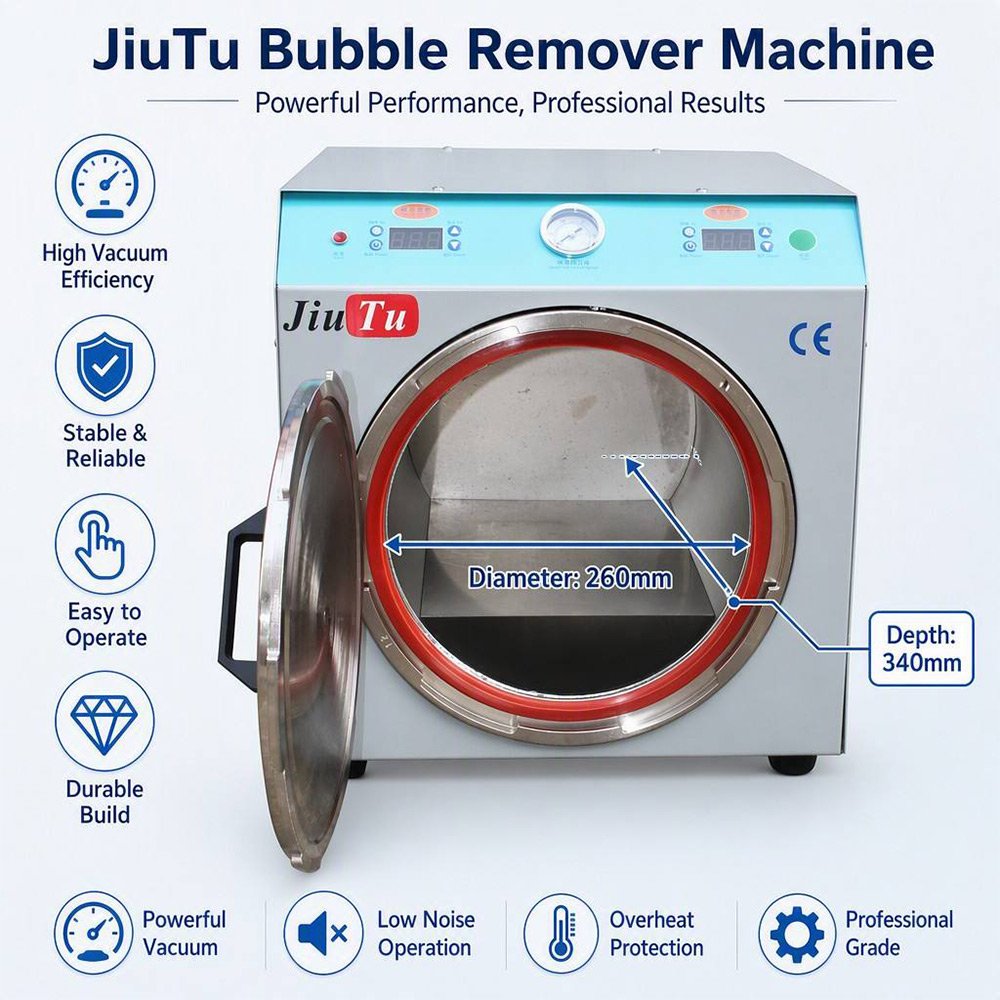
The 260 × 340 mm chamber handles the work that fills a typical shop’s day: smartphone LCD and OLED assemblies, small tablets, in-car display modules, and compact industrial panels. Load several phone screens at once, run a cycle, and get clear, stable results — without dedicating half your workshop to a pressure vessel.
This is the machine you buy when bubble removal needs to become a routine step, not a special occasion.
Key Features
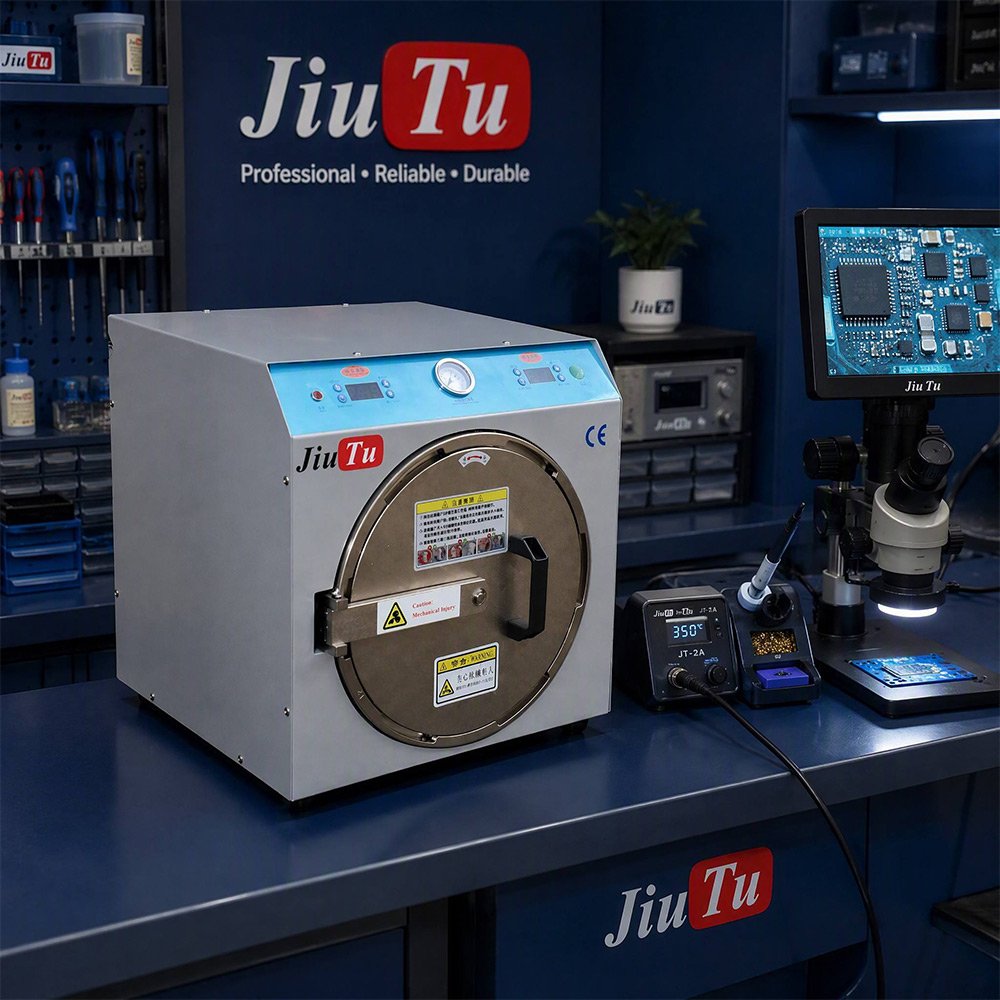
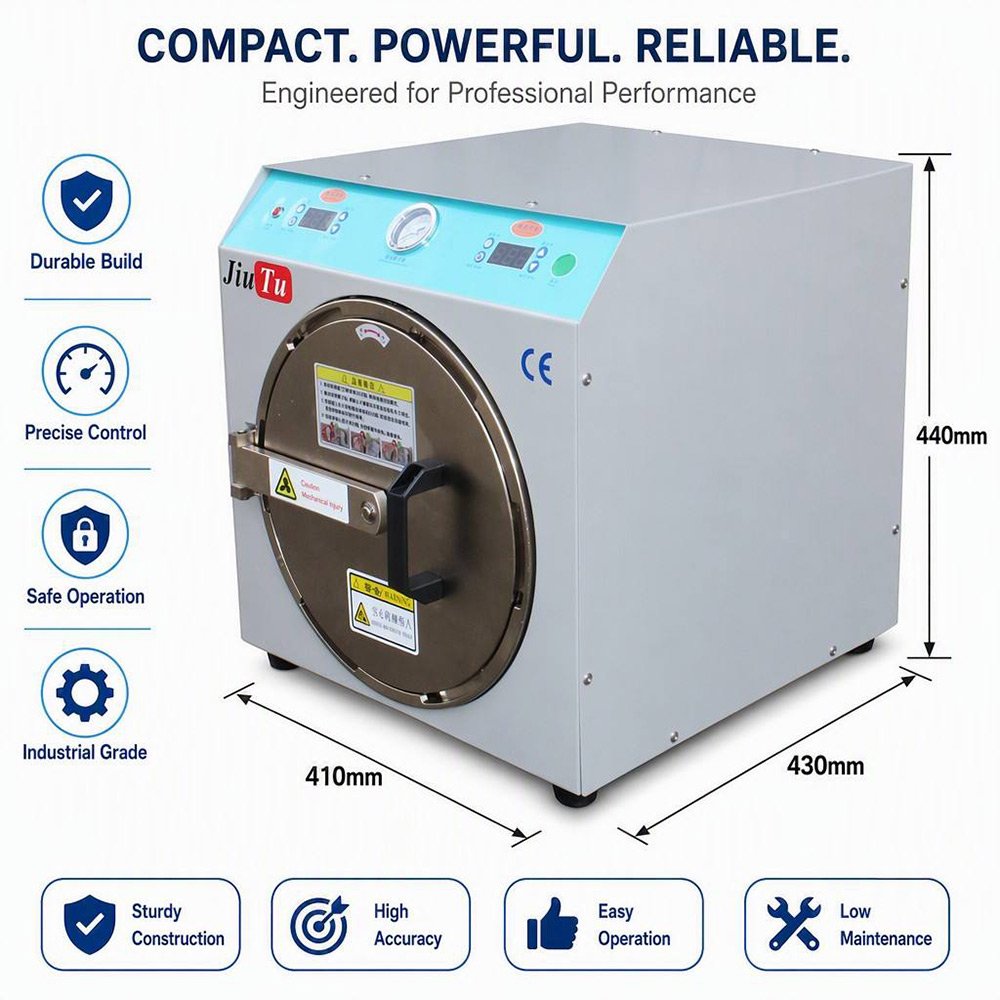
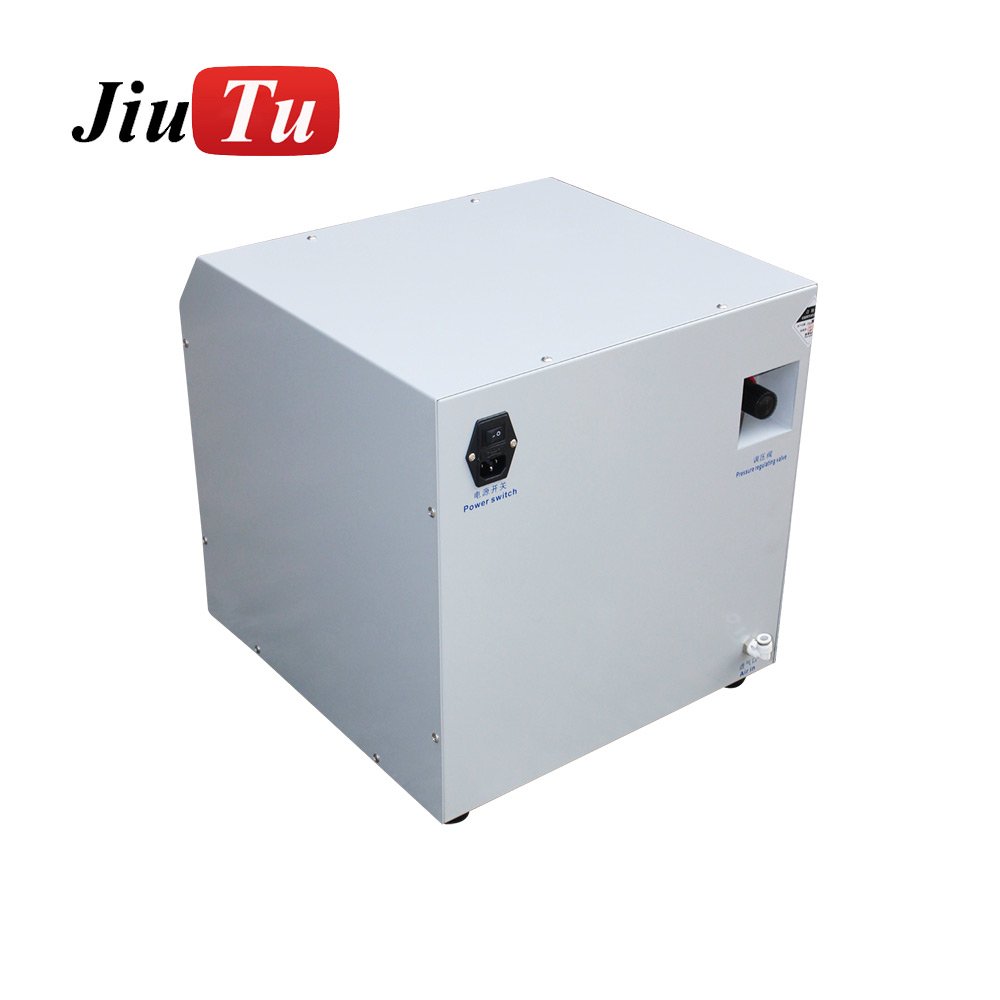
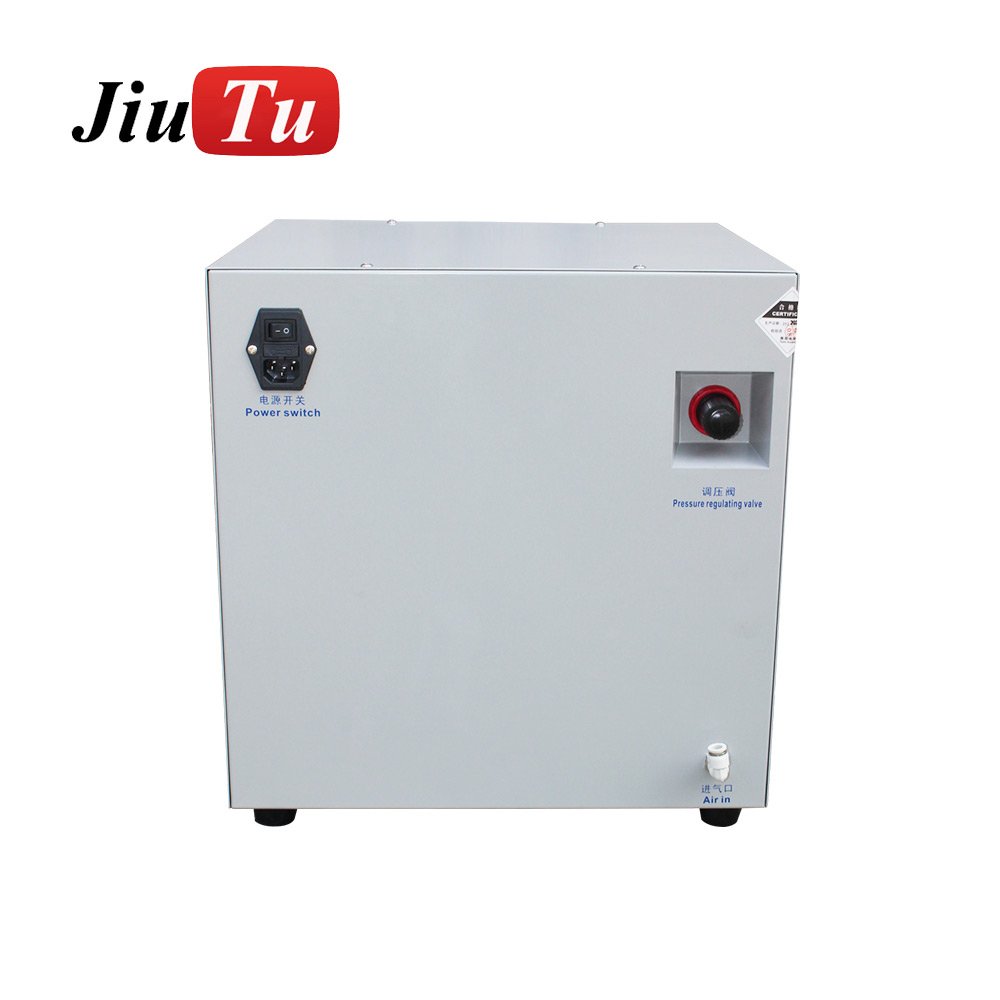
Compact Benchtop Footprint — Fits a Real Bench Designed to sit on a standard workbench alongside your laminator and separator, not to occupy dedicated floor space. Small workshops, mall kiosks, and home-based operations can add professional bubble removal without reorganizing the whole shop.
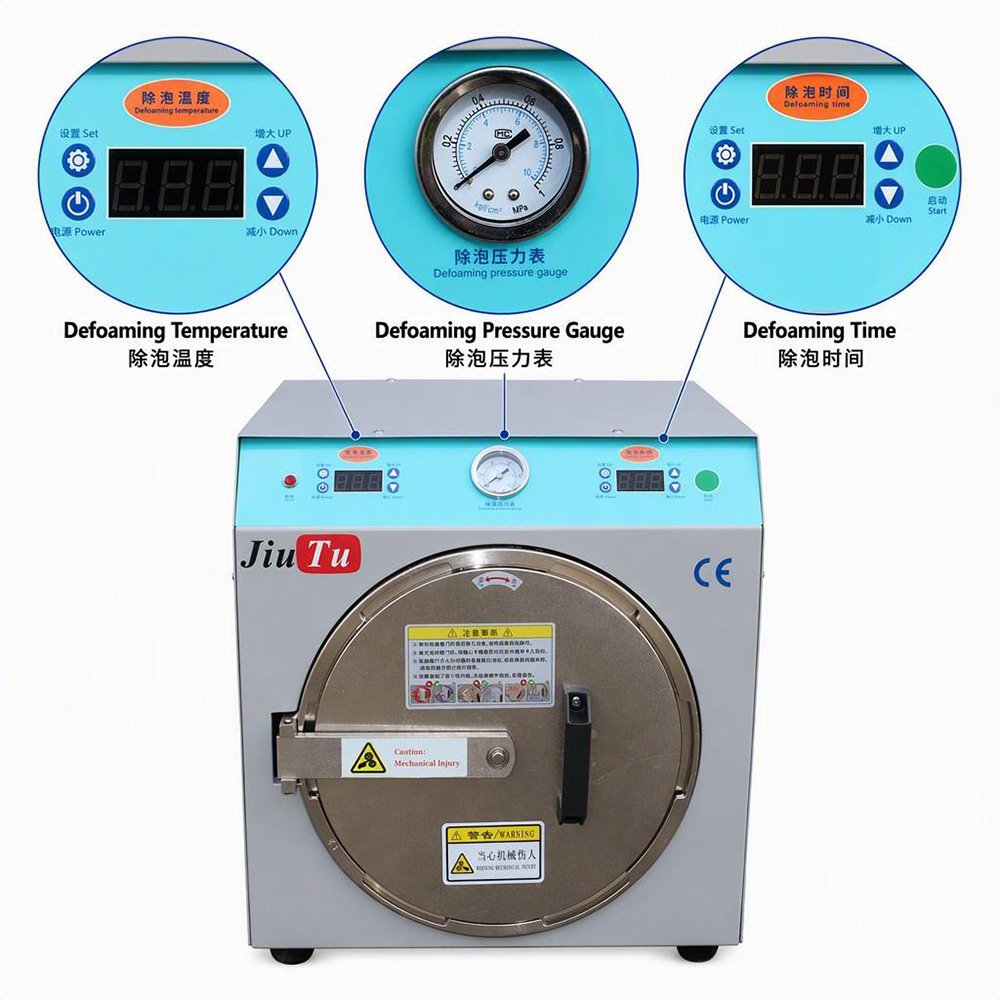
Simple Operation — One Technician, No Special Training Digital control of pressure, temperature, and time with a straightforward interface. Set an approved recipe for the phone models you handle most, and any technician on your bench can reproduce it. No production engineer required.
Handles OCA, SCA and Curved Screens Alike Works with OCA film and SCA liquid adhesive across LCD, OLED, touch panel, and cover glass stacks — including curved-edge smartphone screens, which are exactly the that most often leave residual air along the border.
Before you spend money, check whether this is the right size for your operation. ✅ This 260×340 model is a strong fit if you: Run an independent phone shop doing daily screen,Handle mostly smartphones and small tablets, occasionally a larger panel,Work on a standard workbench with limited floor and bench space,Have one or two technicians, not a production team,Are buying your first dedicated bubble remover and want a manageable entry point,Need fast cycle turnaround for walk-in customers rather than large batch runs. ❌ Consider our larger 400×600 model instead if you: Regularly process notebook panels, monitors, or large industrial TFT displays,Need to run high-volume batches for a line, Are a display module manufacturer integrating defoaming into a production workflow,Handle panels with a long dimension exceeding roughly 340 mm. We would rather you buy the right size once than the wrong size twice. Send us your typical panel dimensions and daily volume, and we will tell you honestly which model fits — even if that means recommending the cheaper one.
Why Choose Us
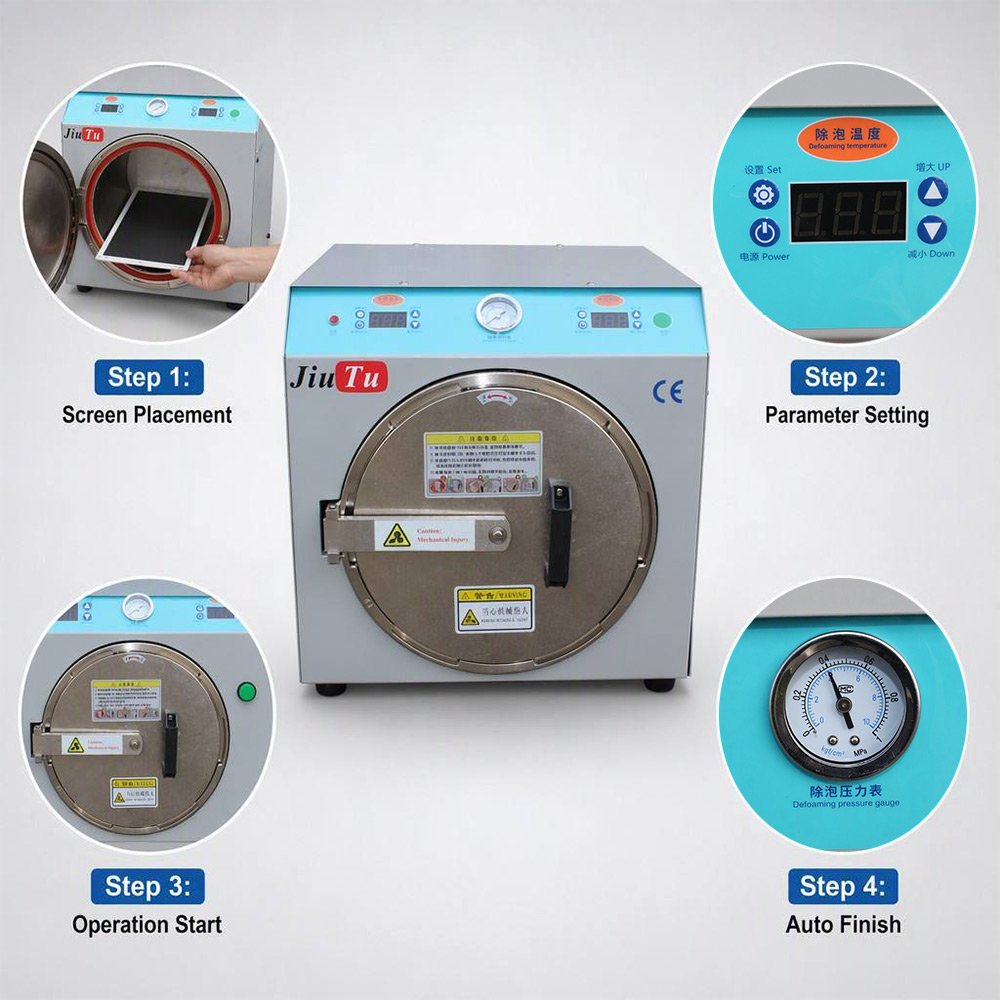
Operating Workflow A repeatable routine matters more than a powerful machine. Here is the workflow we recommend to every customer: Step 1 — Inspect before loading. Confirm the defect is genuinely residual air, not a dust dot, misalignment, or damaged adhesive. Pressure cannot fix those, and running them through wastes a cycle. Step 2 — Load flat with proper support. Place panels flat on the tray with adequate fixture support, especially under the borders. Do not stack or force panels into position. Step 3 — Run your approved recipe. Use the pressure, temperature, and hold-time setting already validated for that product family. Resist the urge to raise pressure on a difficult screen. Step 4 — Cool flat before judging. This is the step most technicians skip. A screen that looks clear while warm can show returning bubbles after cooling. Let it rest flat. Step 5 — Inspect under two light angles. Check under front light and side light. Side light reveals edge lines and haze that front light hides completely.
Application Scenarios: Independent Phone Shops The core use case. Daily iPhone, Samsung, and Android screen — including curved-edge displays where border bubbles are most common. Mall Kiosks & Small Storefronts Where bench space is measured in centimeters and the machine has to earn its footprint every day. Small Tablet & iPad Handles tablet panels up to approximately 12.9″, one per cycle, with even support across the larger glass area. Mobile / On-Site Operations Compact enough to be relocated between locations when your business model requires it. Training Centers & Technical Schools A safe, manageable-scale unit for teaching OCA lamination and defoaming workflow to students. Small-Batch Industrial Panel Work Compact HMI panels, in-vehicle display modules, and small industrial TFT assemblies for low-volume or prototype work.
Will it remove dust trapped under the OCA? No. No bubble remover can. Dust sealed inside the adhesive stack requires better cleaning, static control, glove and tray discipline, and pre-lamination inspection. Pressure compresses air; it cannot dissolve a solid particle.
Key Features
Product Details
FAQ
Q1: How many phone screens can I do at once?
Q2: Is 260×340 big enough for iPad screens?
Q3: Can one person operate it without special training?
Q4: Will it remove dust trapped under the OCA?
Q5: What if my business grows beyond this size?
Q6: Does it handle curved-edge screens?
Q7: What voltage is available?
Q8: What should I send you to get an accurate recommendation?
Interested in This Product?
Tell us your project details and our team will prepare a customized quotation.
GET QUOTE NOW