
1000 × 1600 Stainless Steel Bubble Remover Machine
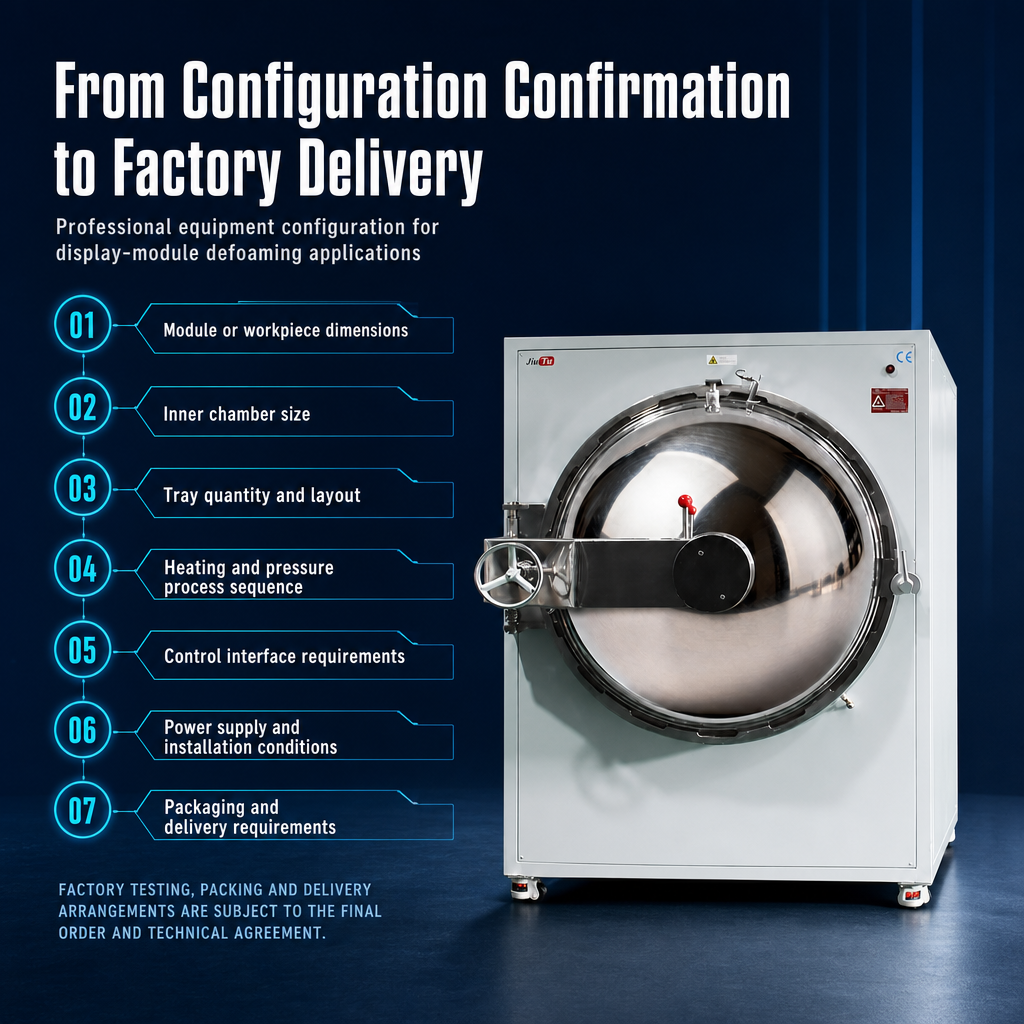
Buy the Loading Plan, Not the Chamber Number Most buyers compare debubbling machines by one number: chamber size. It is the wrong number to lead with. What actually determines your output is how many ...
GET QUOTE NOW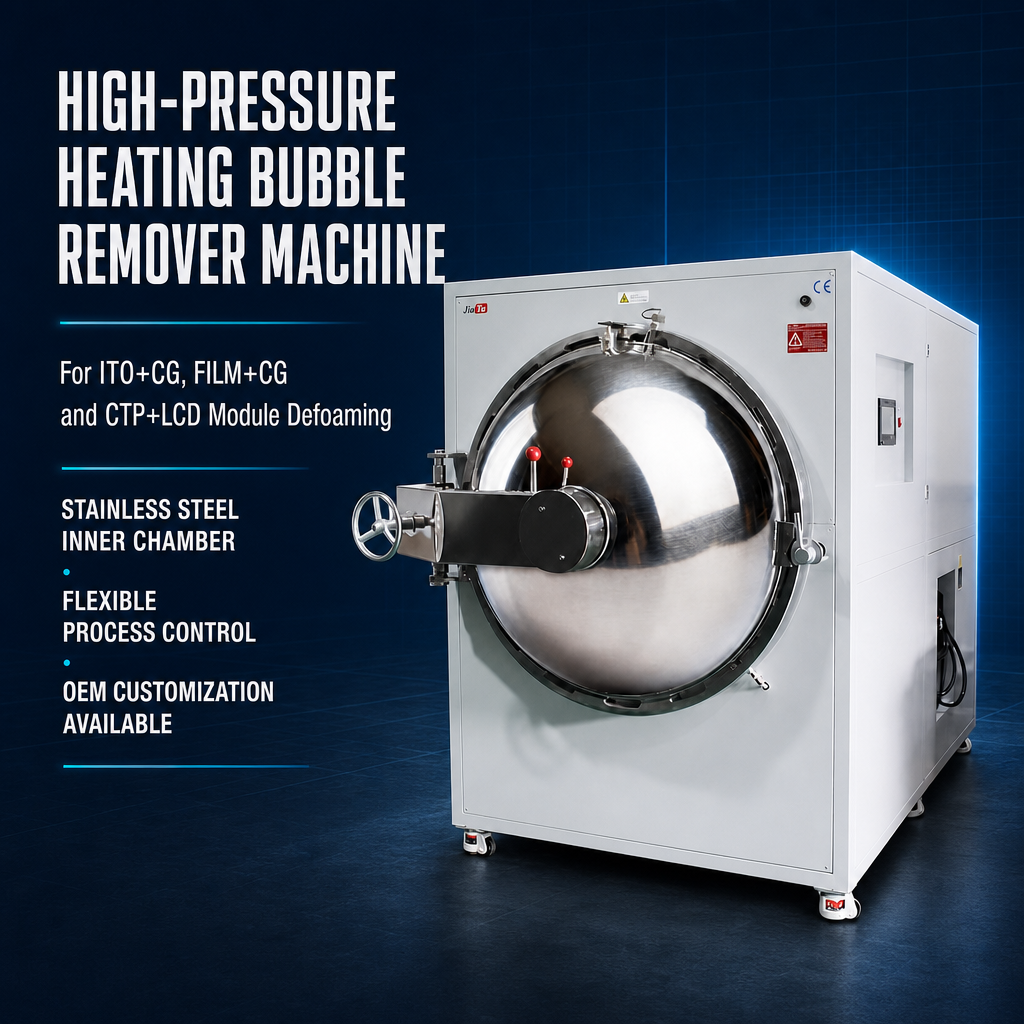
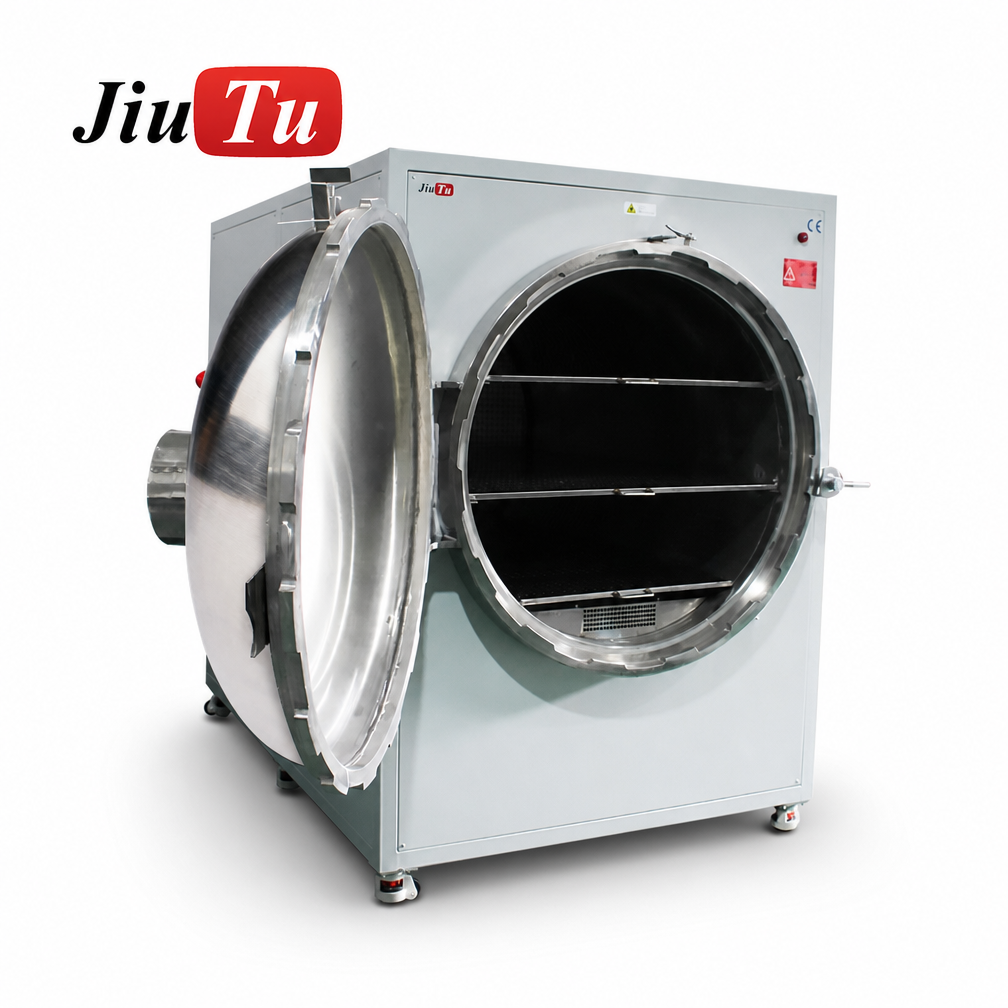
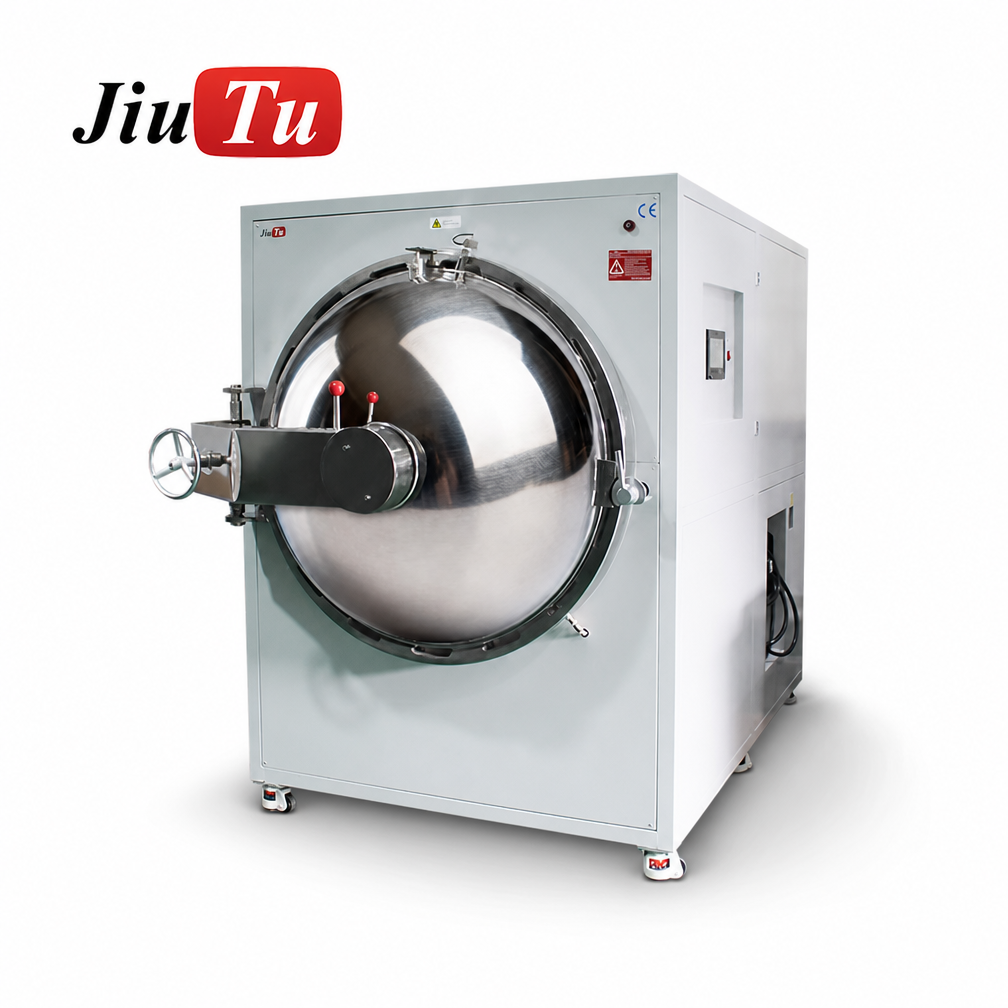
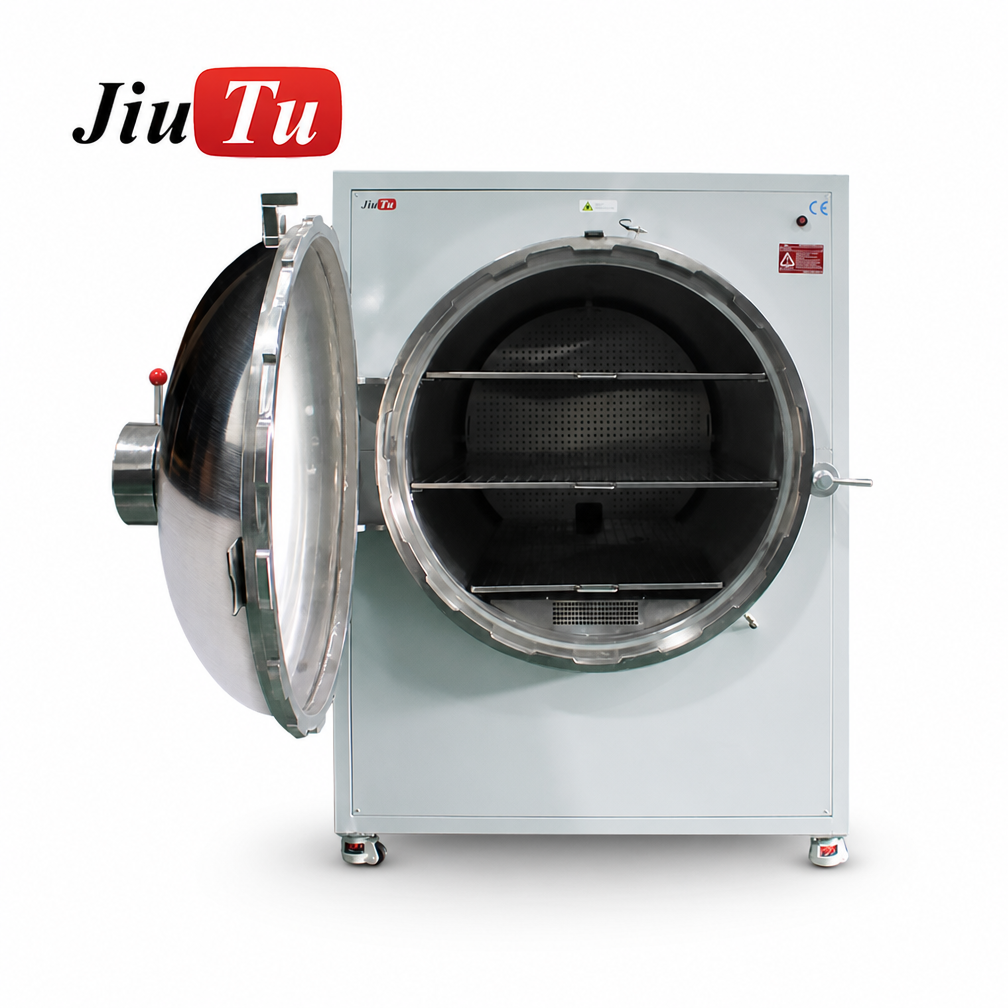
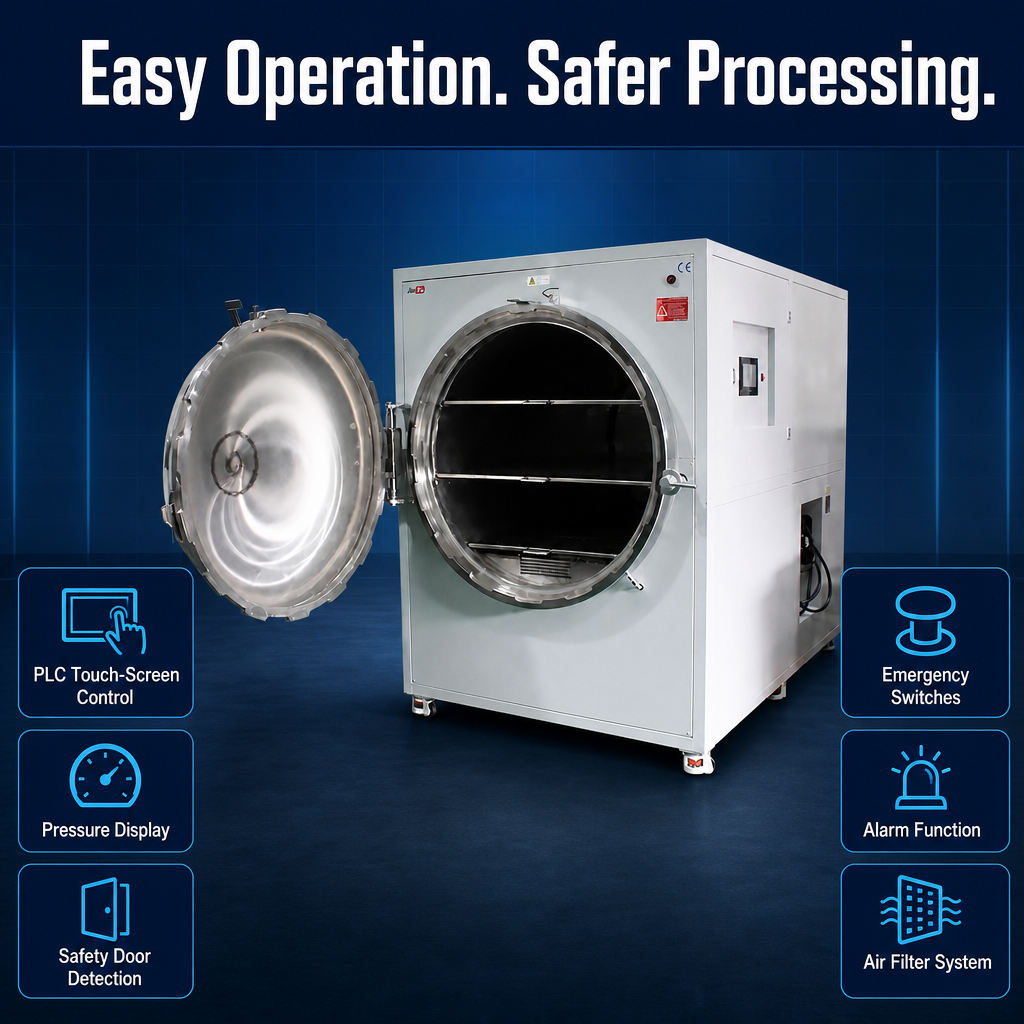
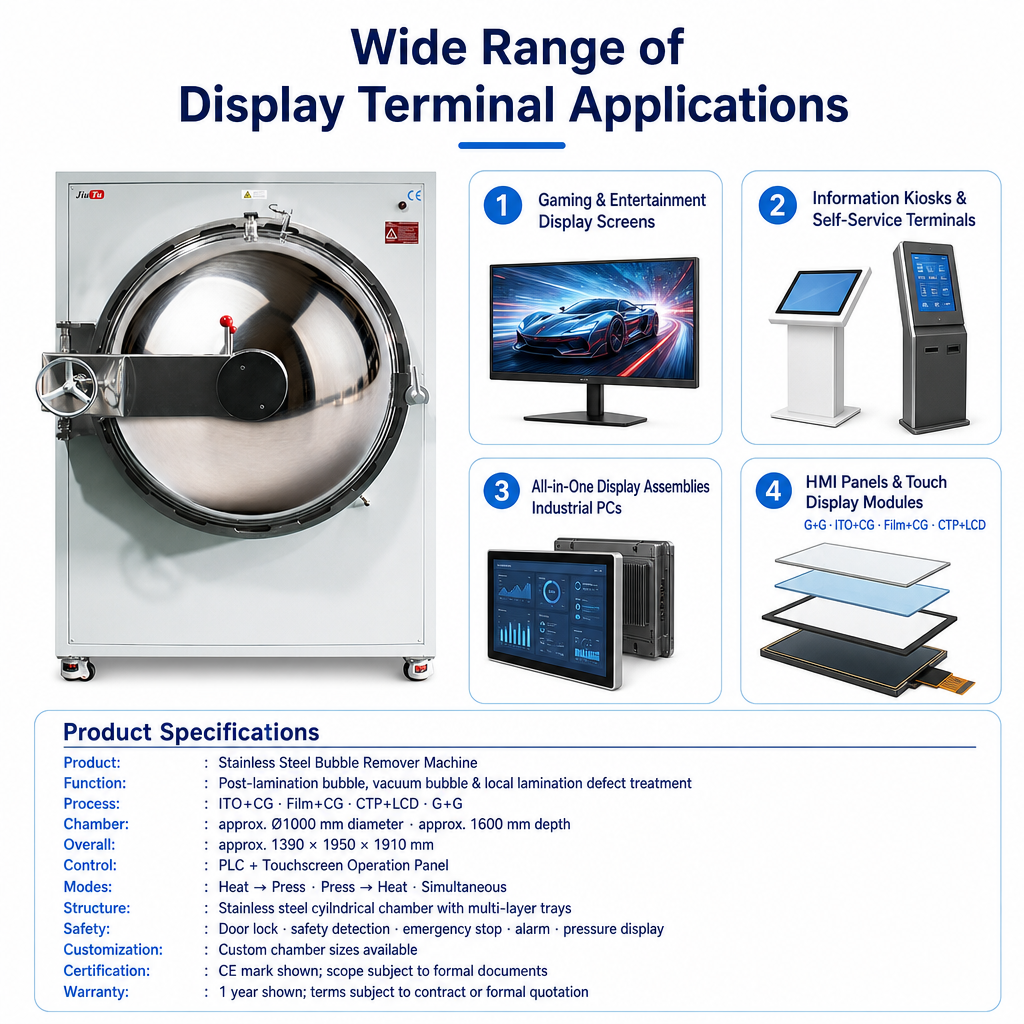
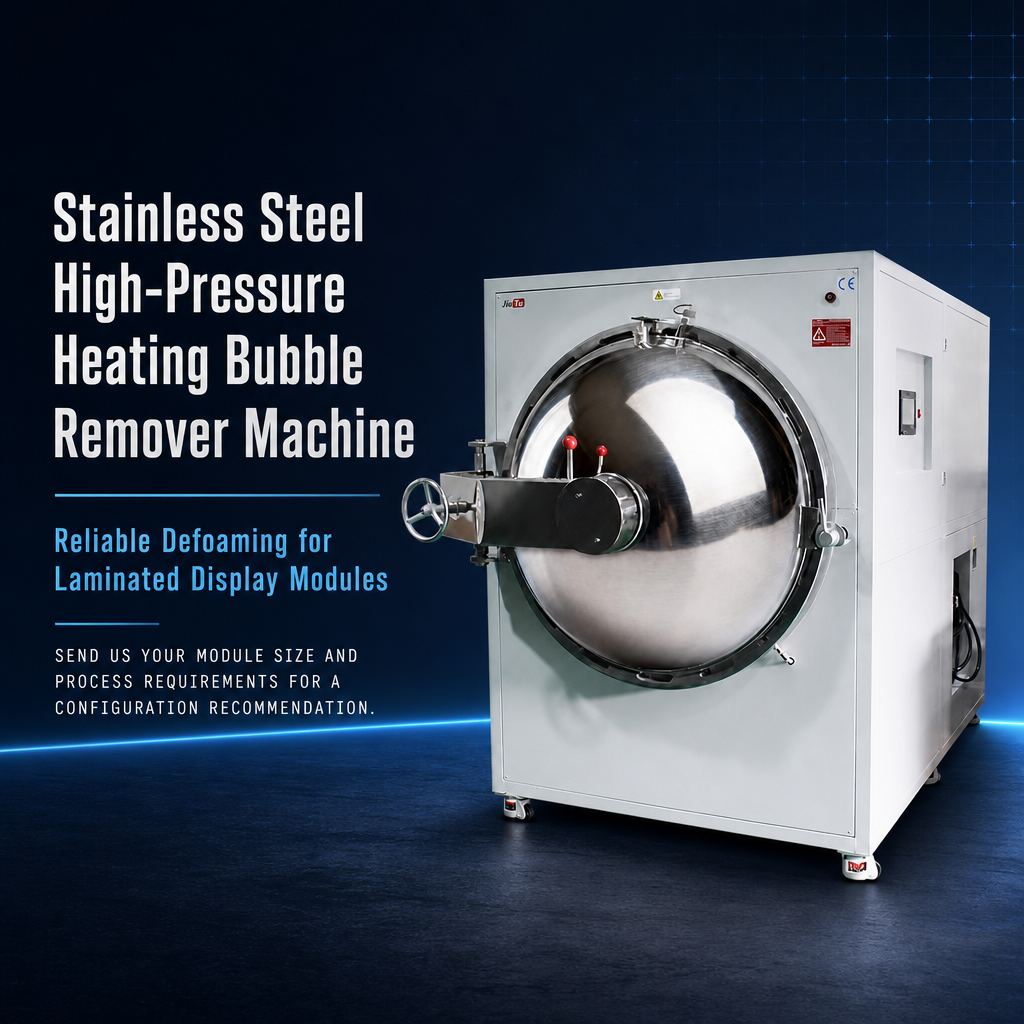
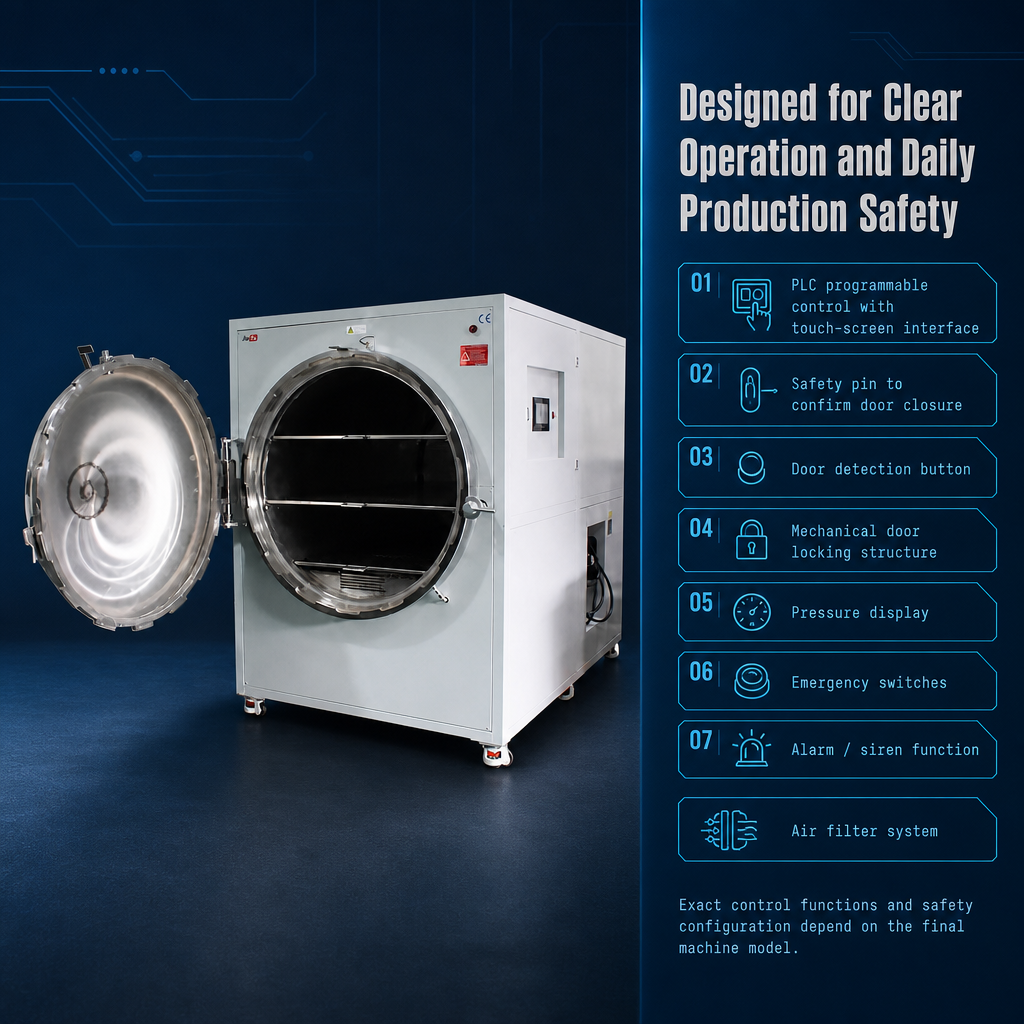
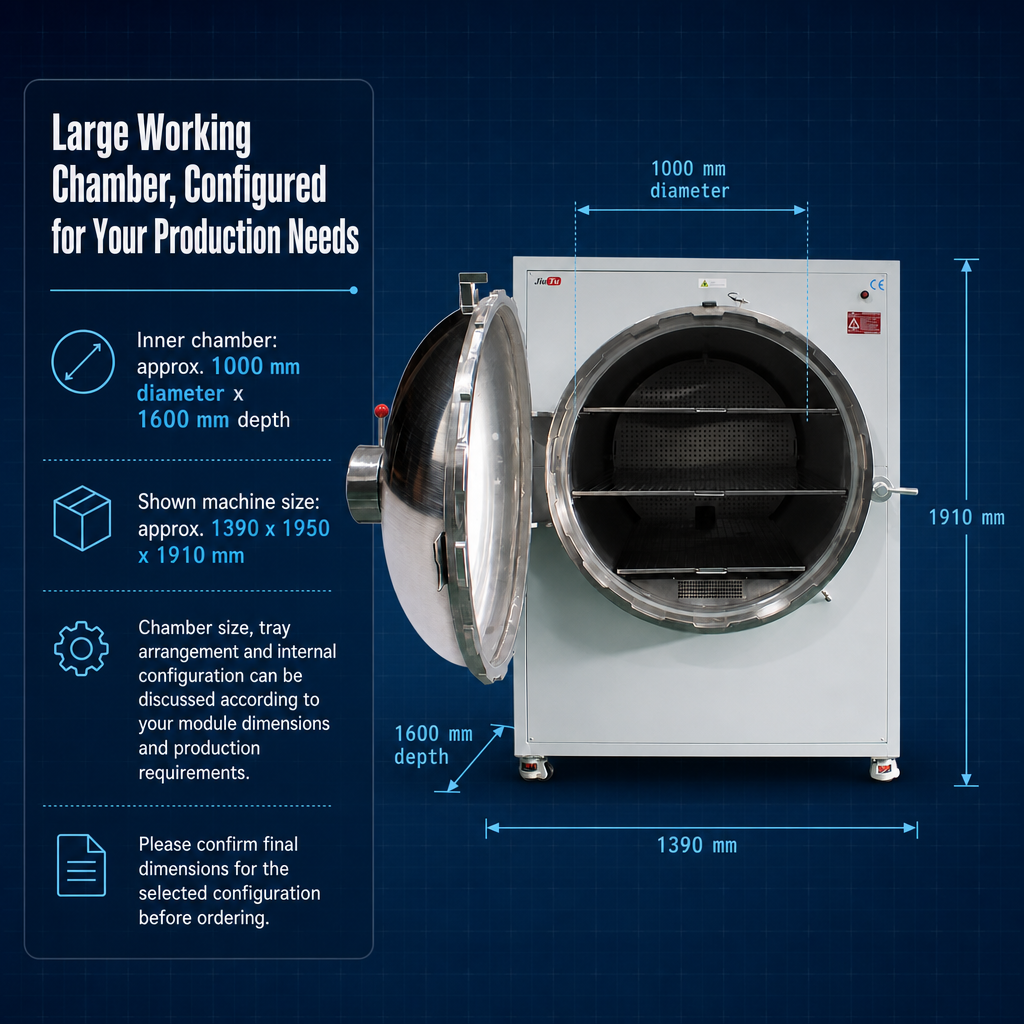
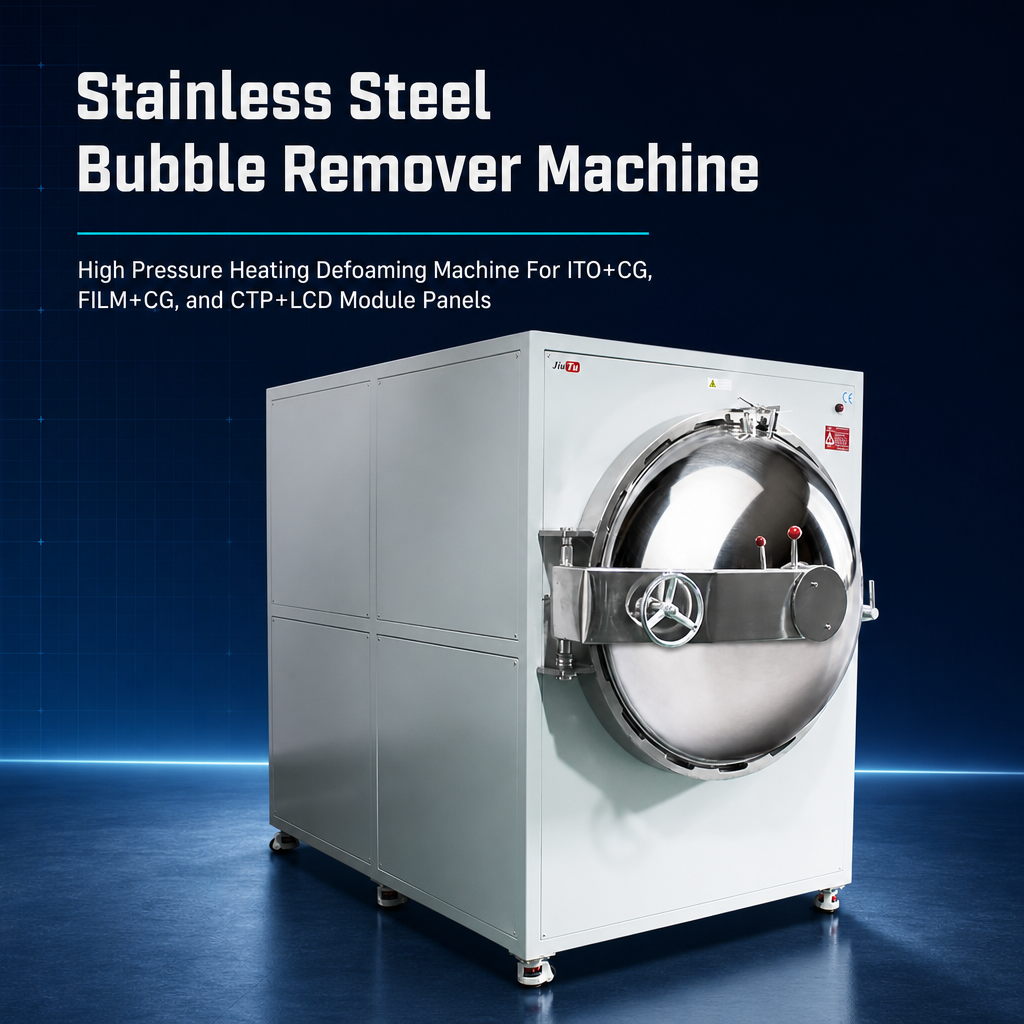
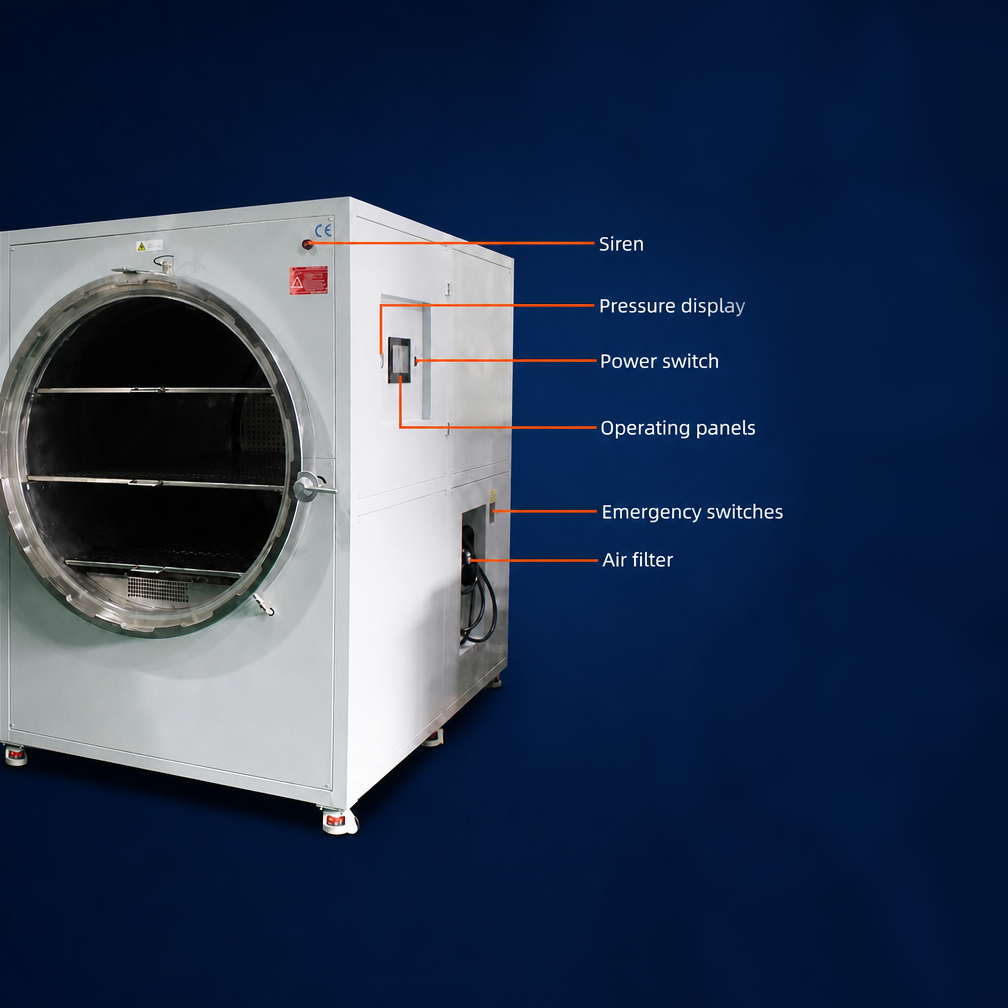
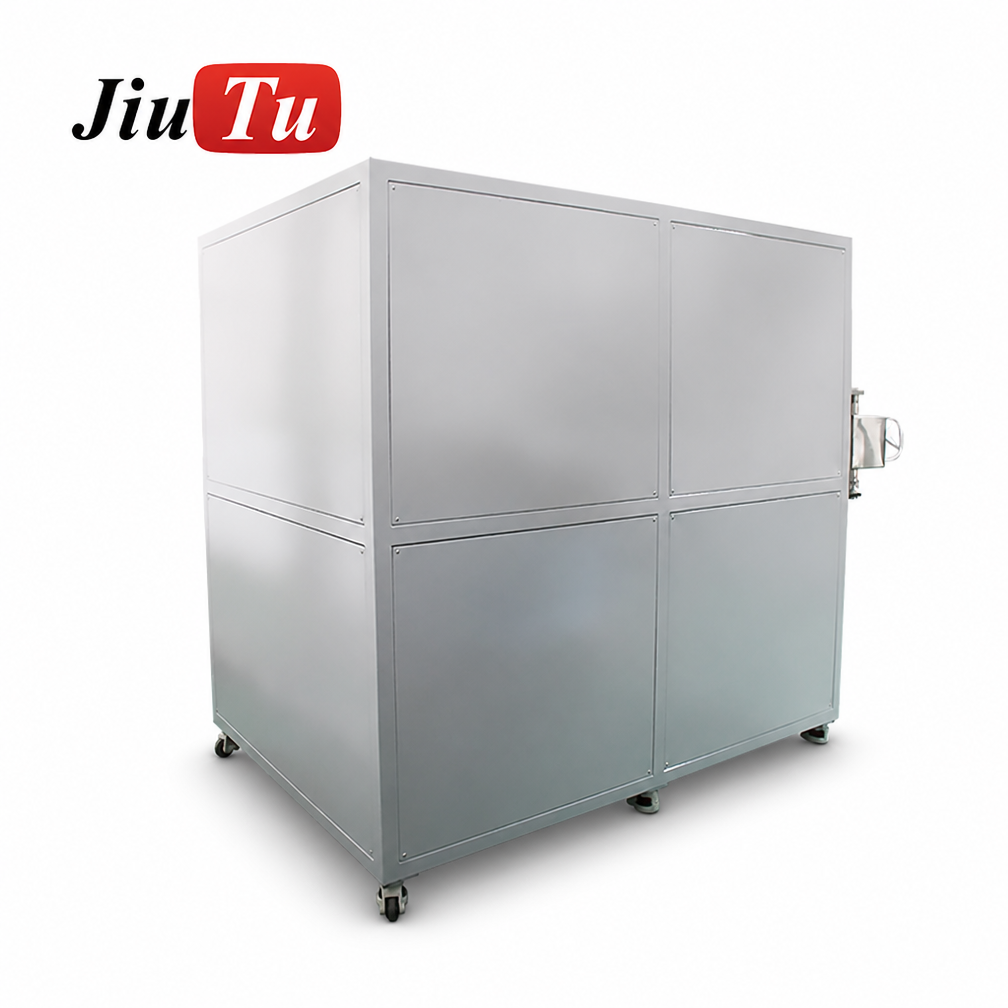
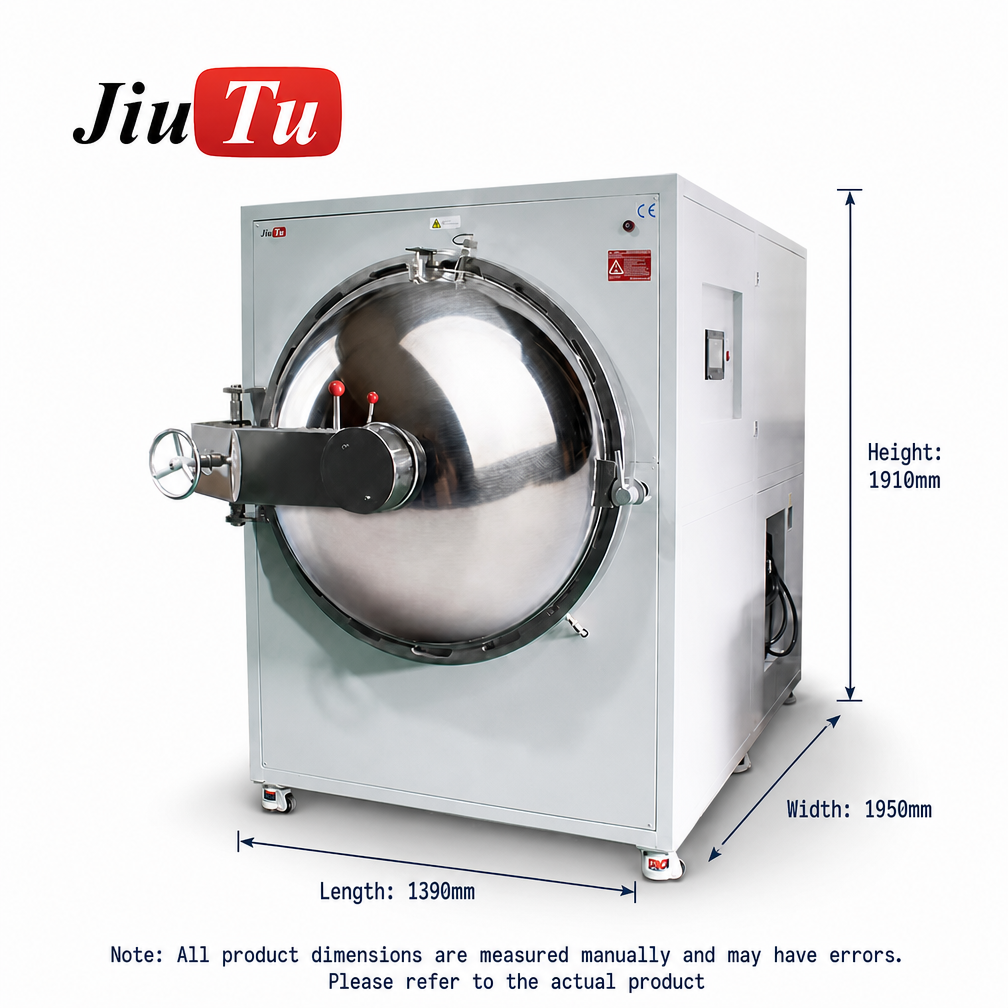
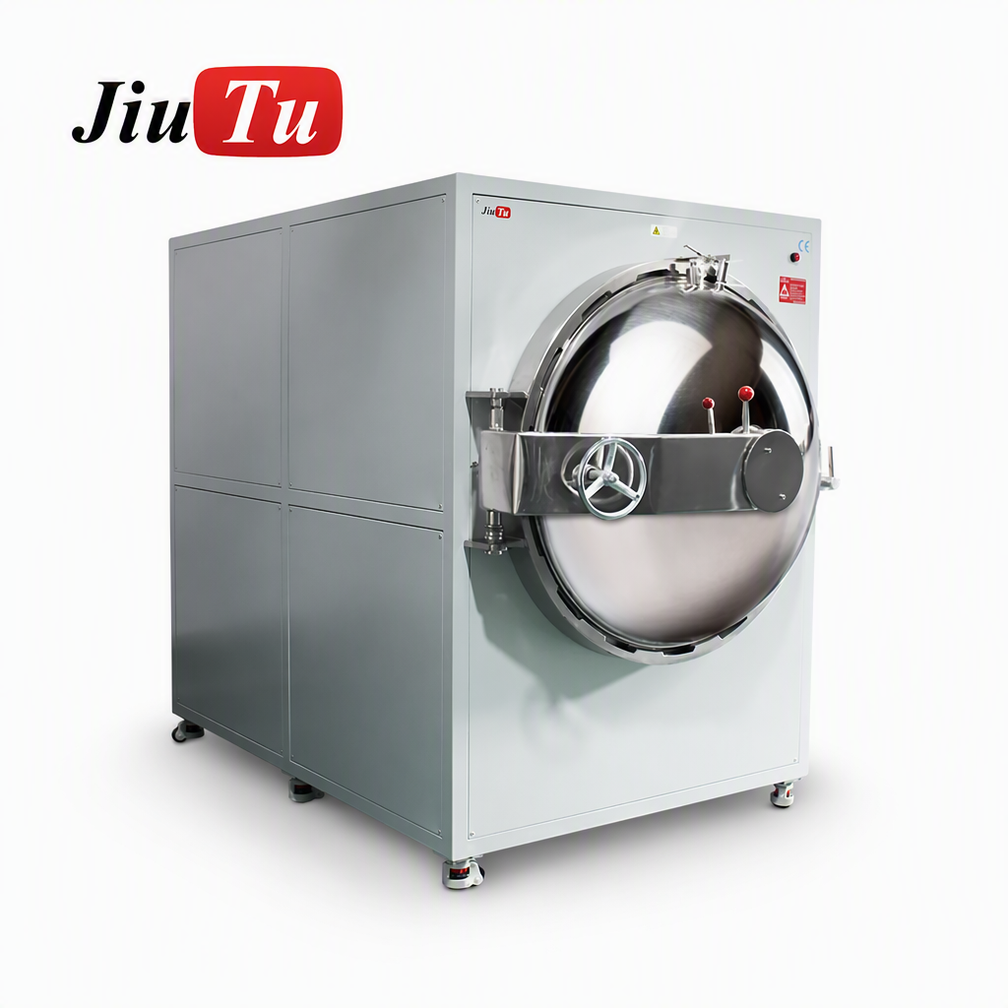
Read the footprint carefully. At 1390 mm long and 1950 mm wide, this machine is wider than it is deep — the cabinet extends sideways rather than projecting into the aisle. Plan clearance in front of the door for the swing radius of a 1000 mm lid, and allow service access to the side panel where the pressure display, power switch, operating panel, emergency switches and air filter are grouped.
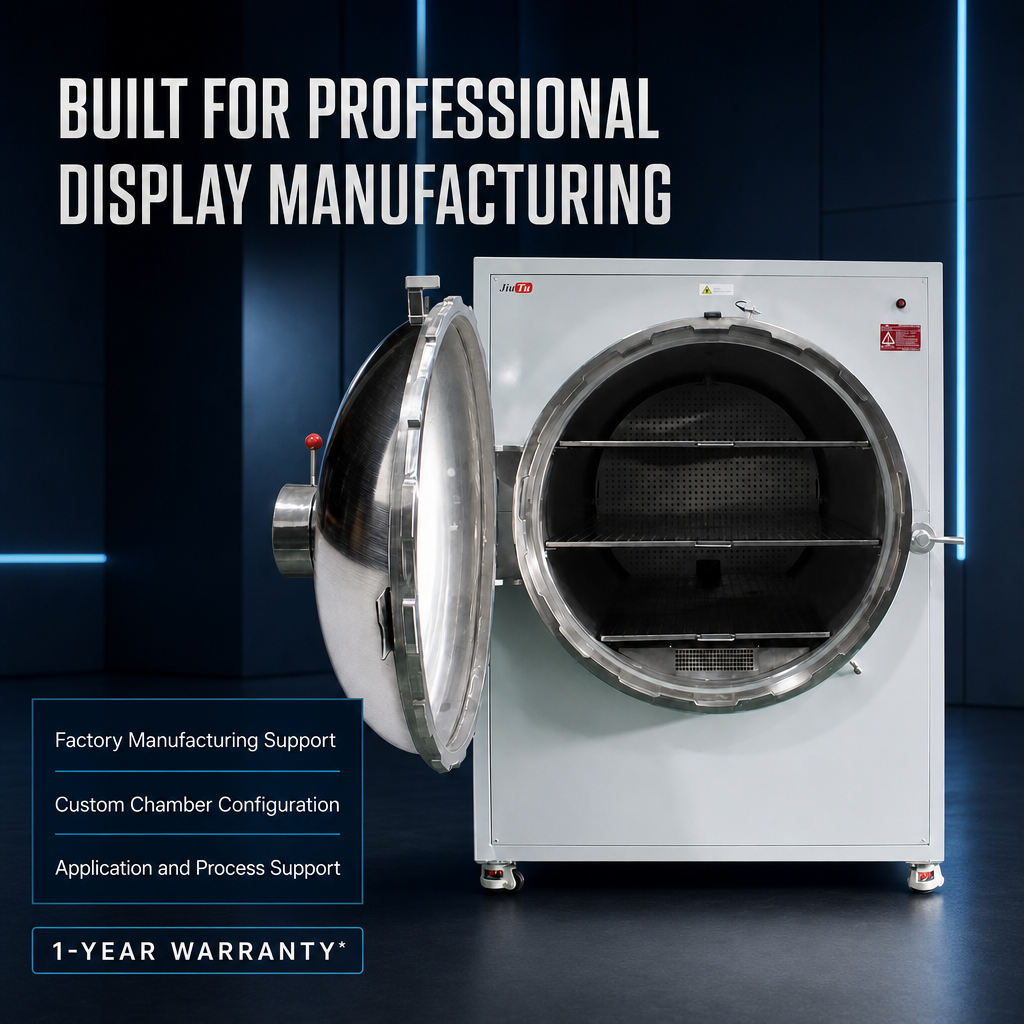
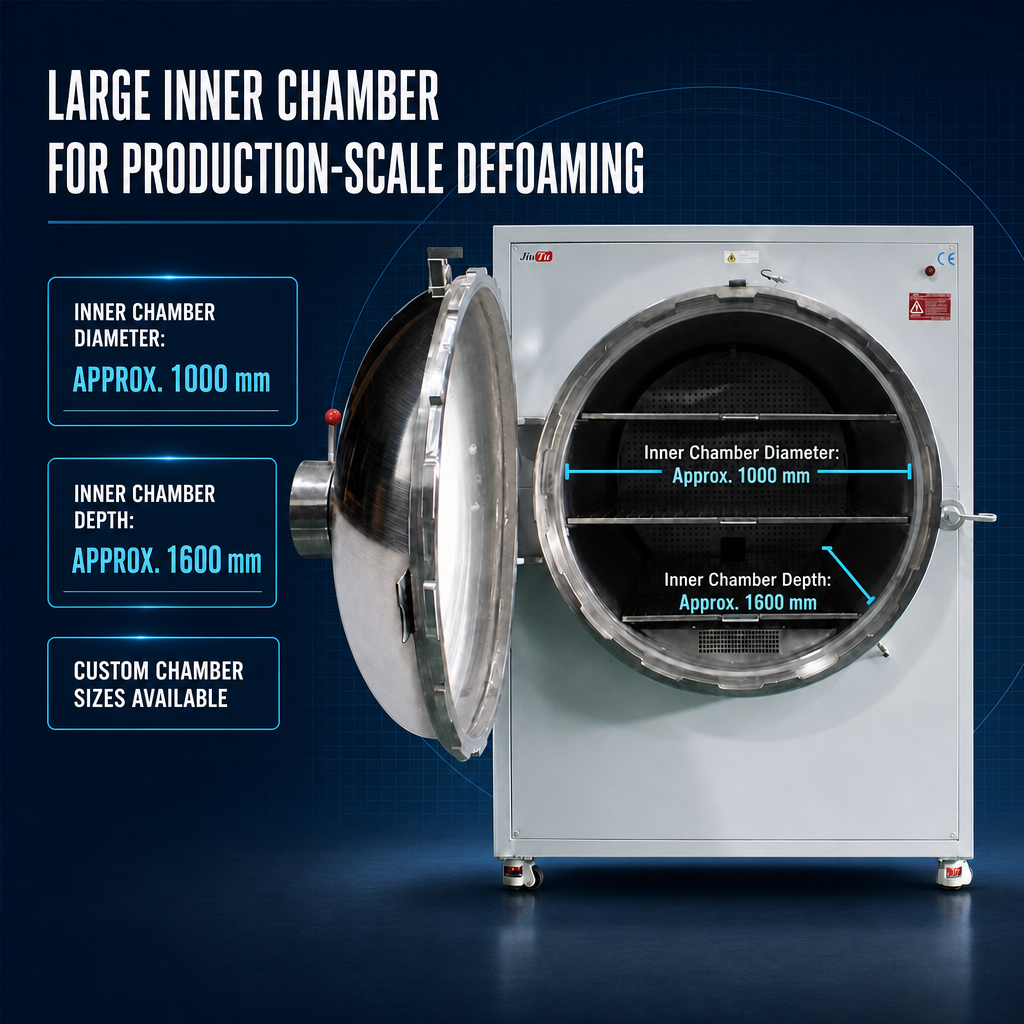
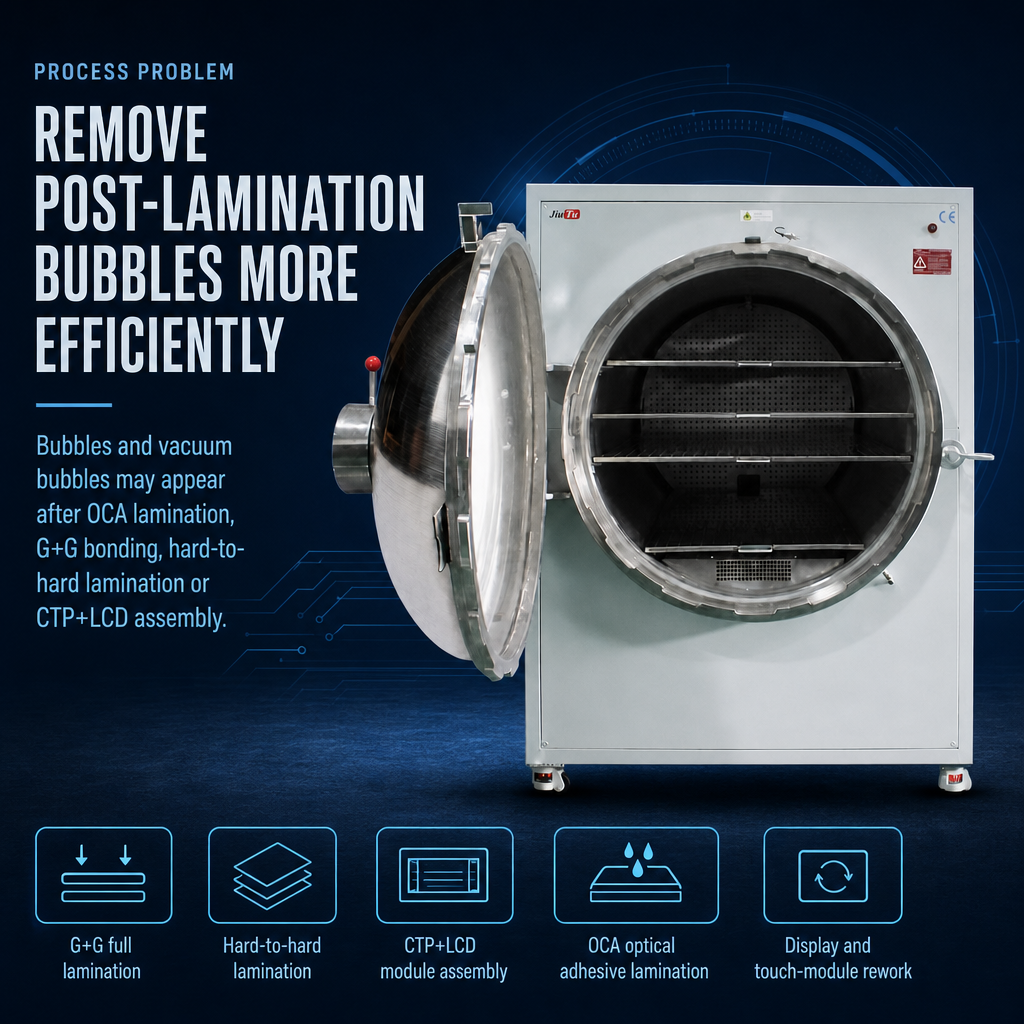
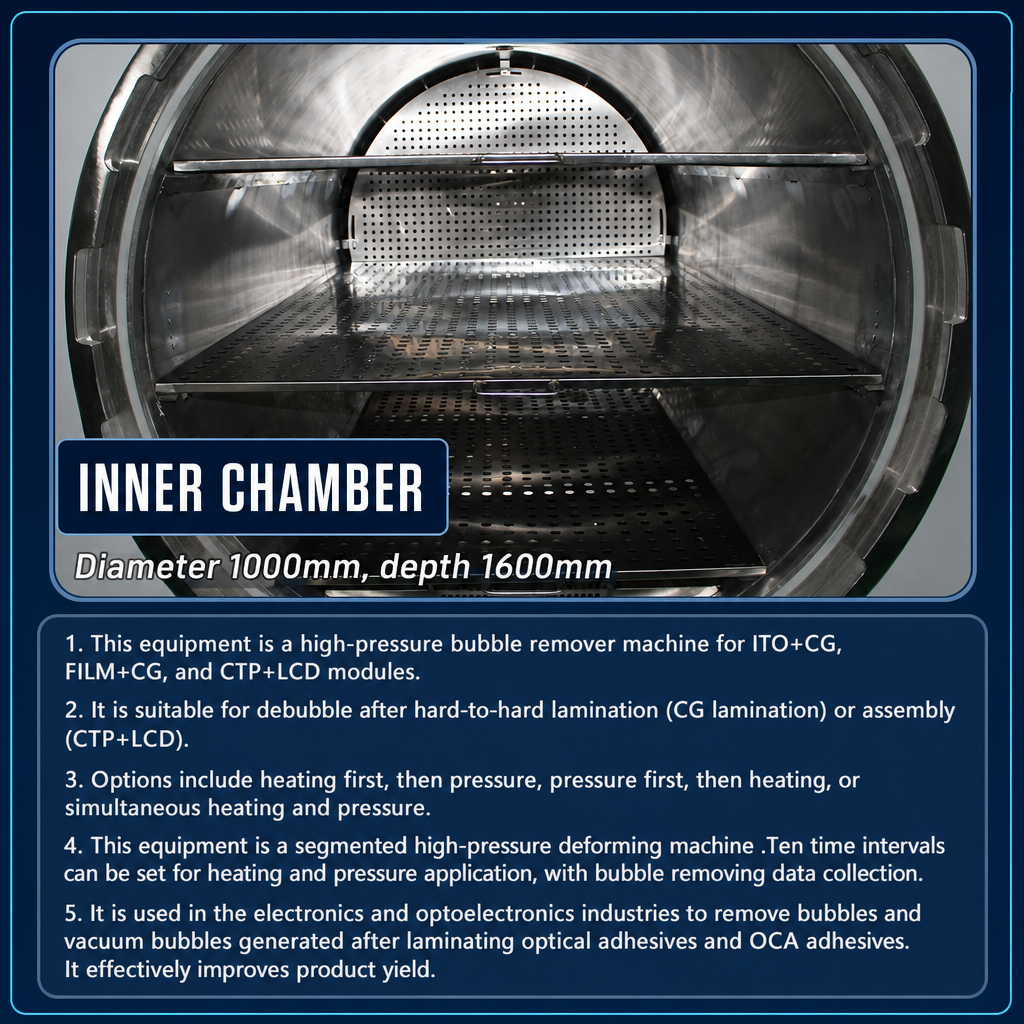
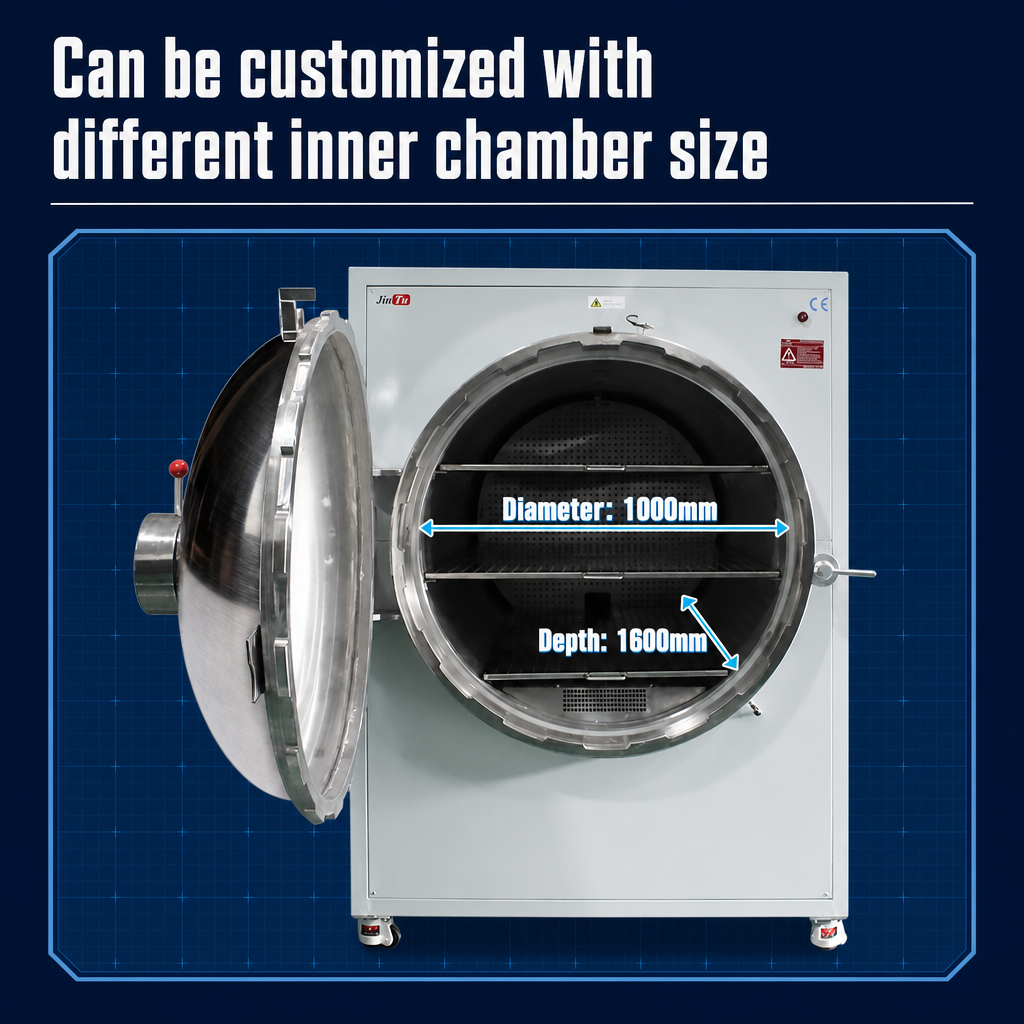
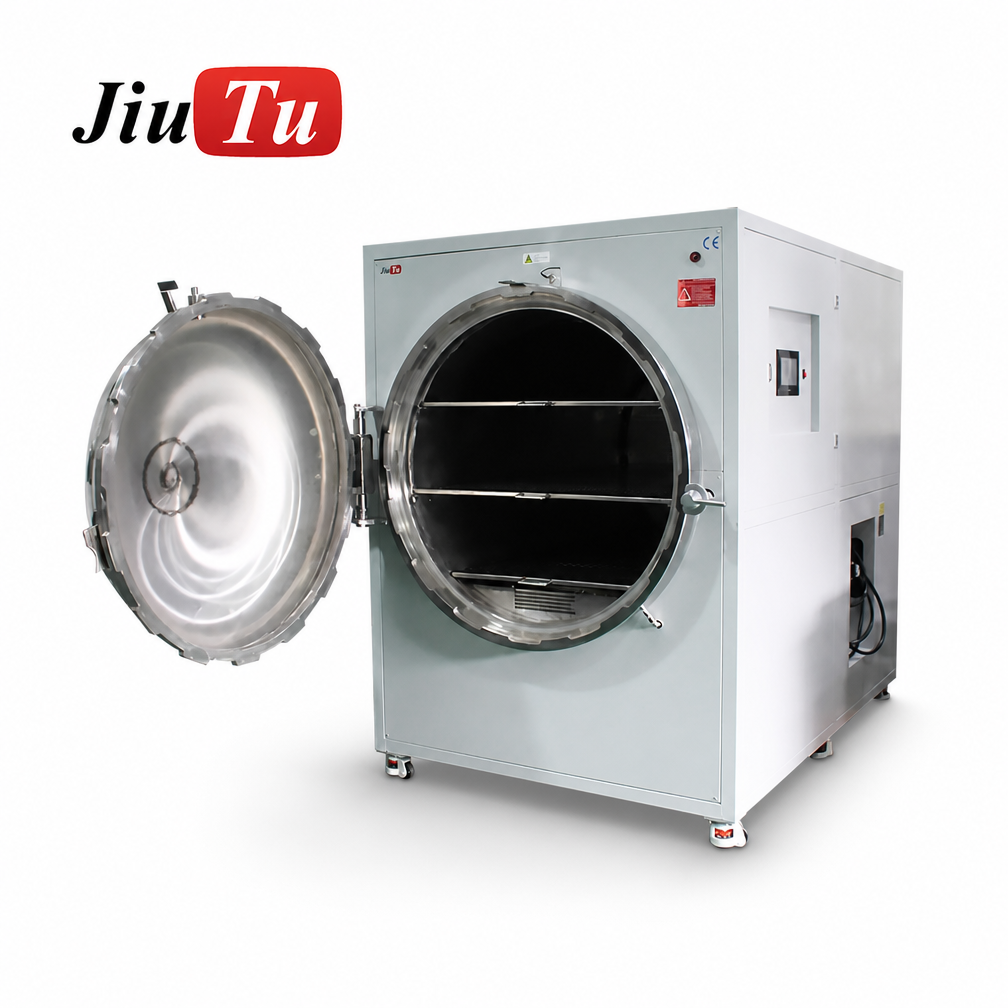
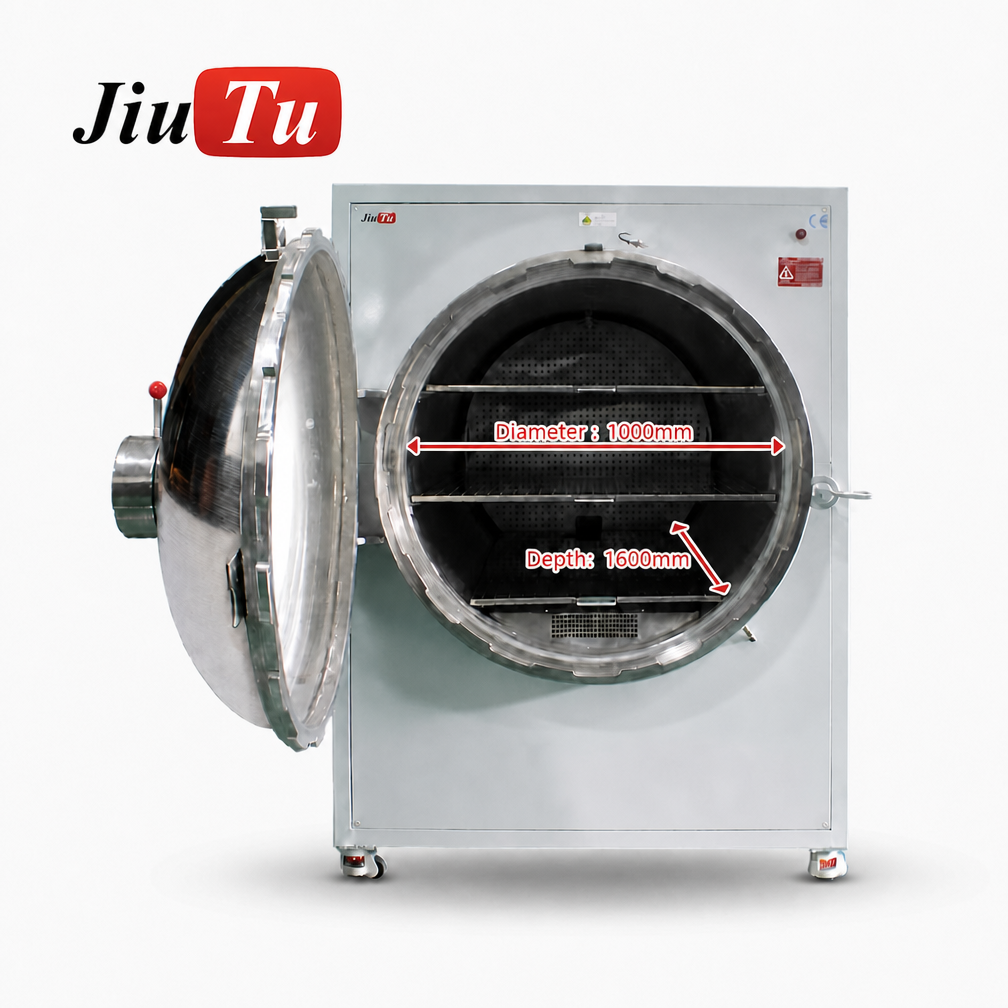
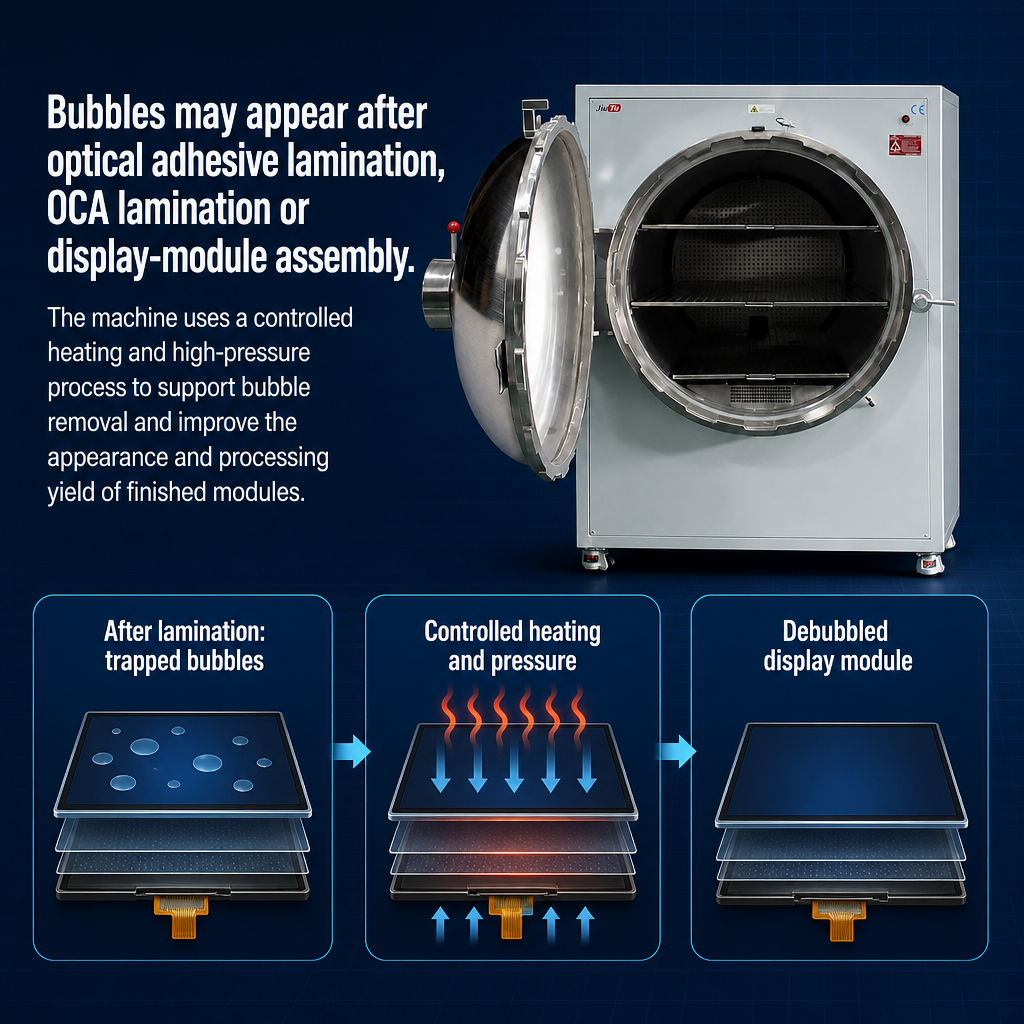
The open-chamber photographs show the interior clearly: full-width perforated steel shelving on multiple levels, with a curved perforated back section following the cylinder wall and a perforated floor tray.
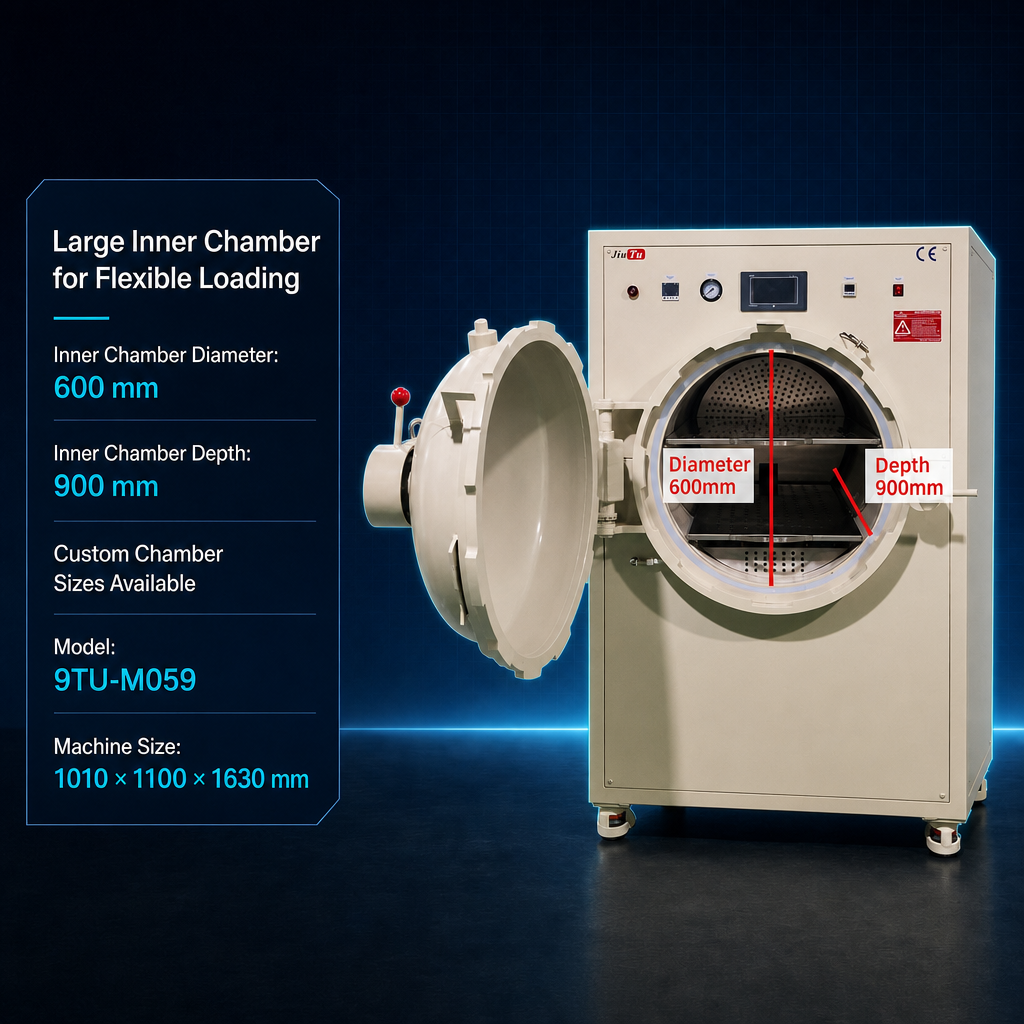
Why depth is the throughput variable. The 1000 mm bore fixes how wide any single module can be. Everything beyond that — how many modules go in per cycle — comes from the 1600 mm running back along the chamber axis and from how many shelf levels you populate along it.
Why every surface is perforated. A solid tray plate shields whatever sits on it from the pressurised gas above and below, so force across the panel is uneven. Perforated shelving lets gas reach the full surface of each part. In a chamber this deep, that matters twice over: it also keeps circulation moving front-to-back, so a module loaded at the rear of the chamber sees the same conditions as one just inside the door.
Shelves are removable and repositionable. Run one large module on a single level, or populate every level with smaller assemblies.
The inner chamber is stainless steel. Where it earns its cost: corrosion resistance. Chambers see humidity, adhesive residue, cleaning solvents and repeated thermal cycling. Stainless holds its surface through that; painted carbon steel eventually needs oxidation managed as a maintenance item.
Key Features
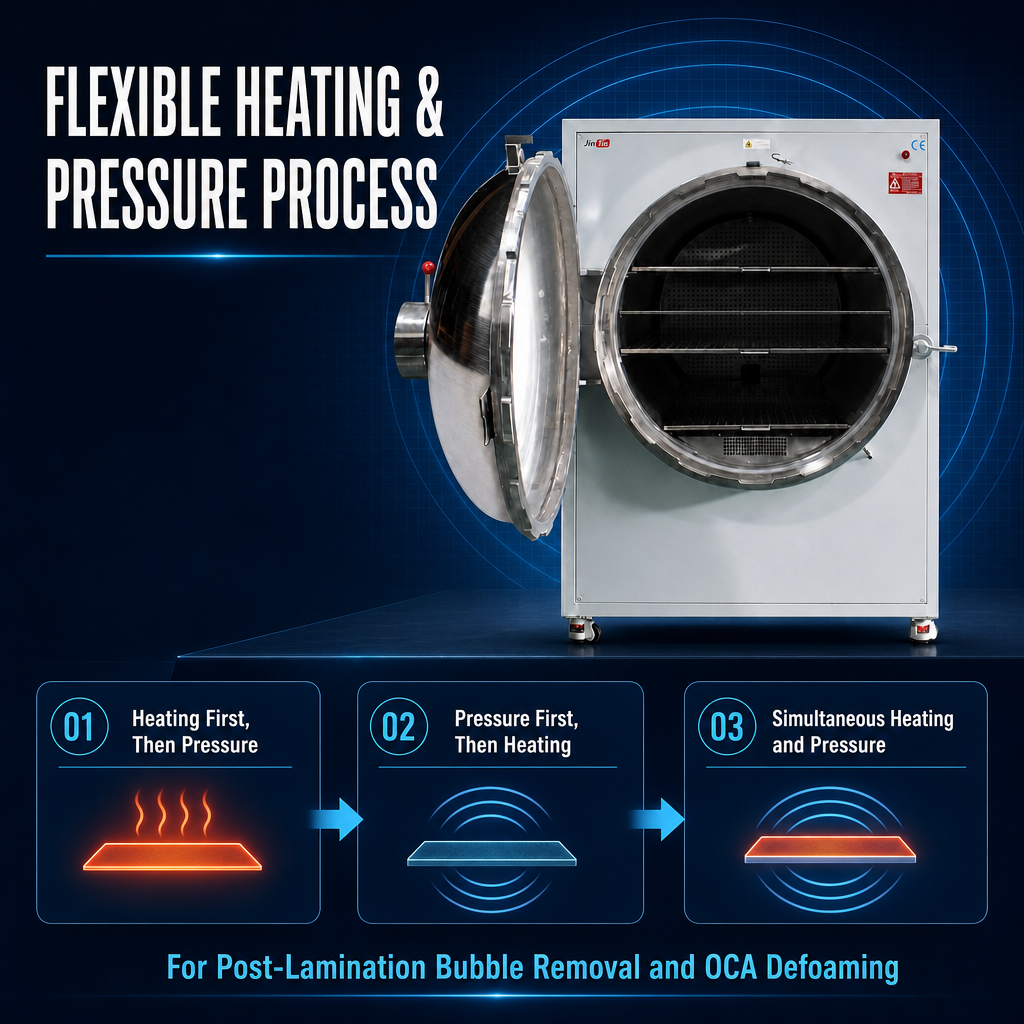
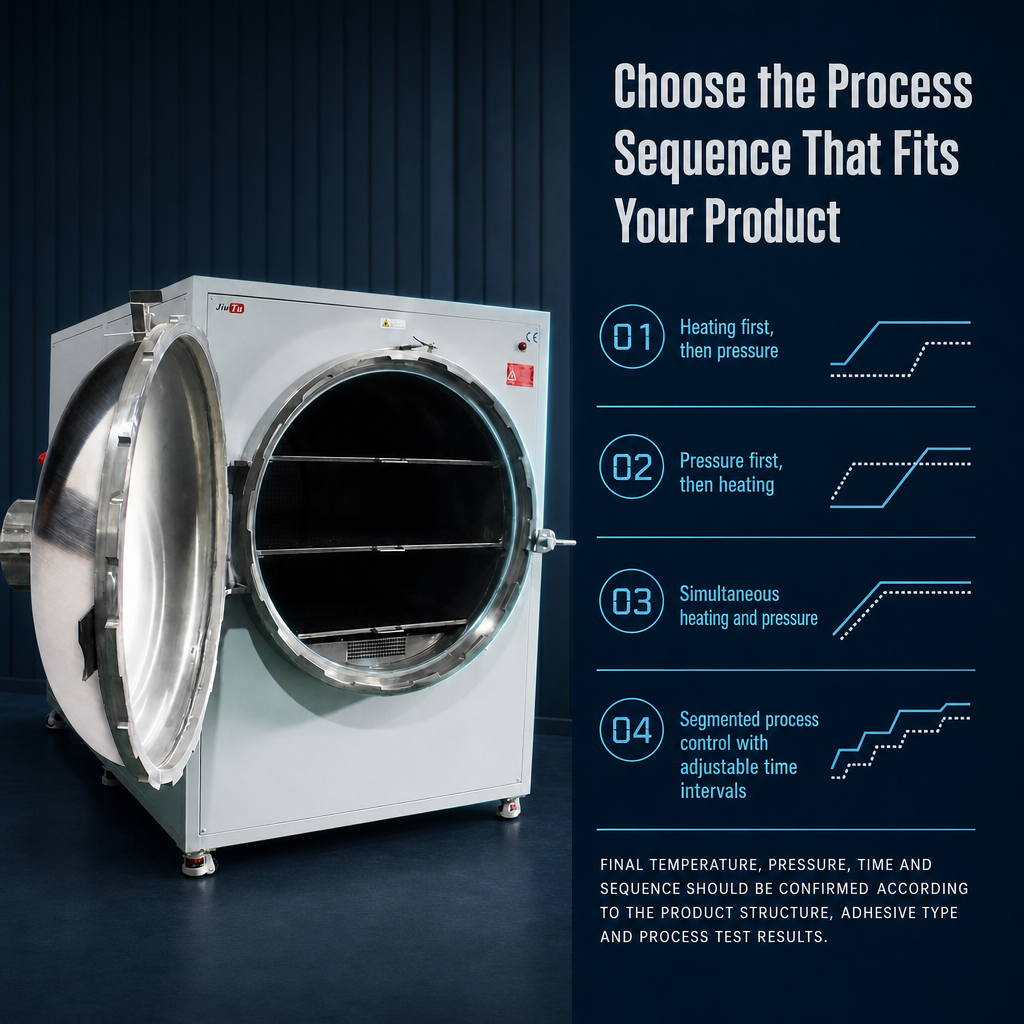
Why segmentation matters on large modules. A big laminated assembly does not reach thermal equilibrium instantly. Ramping straight to target on a thick G+G stack can soften the adhesive unevenly across the panel before pressure has done its work. Splitting the cycle into intervals lets you stage the ramp — hold, step, hold — so the whole part arrives at process condition together.
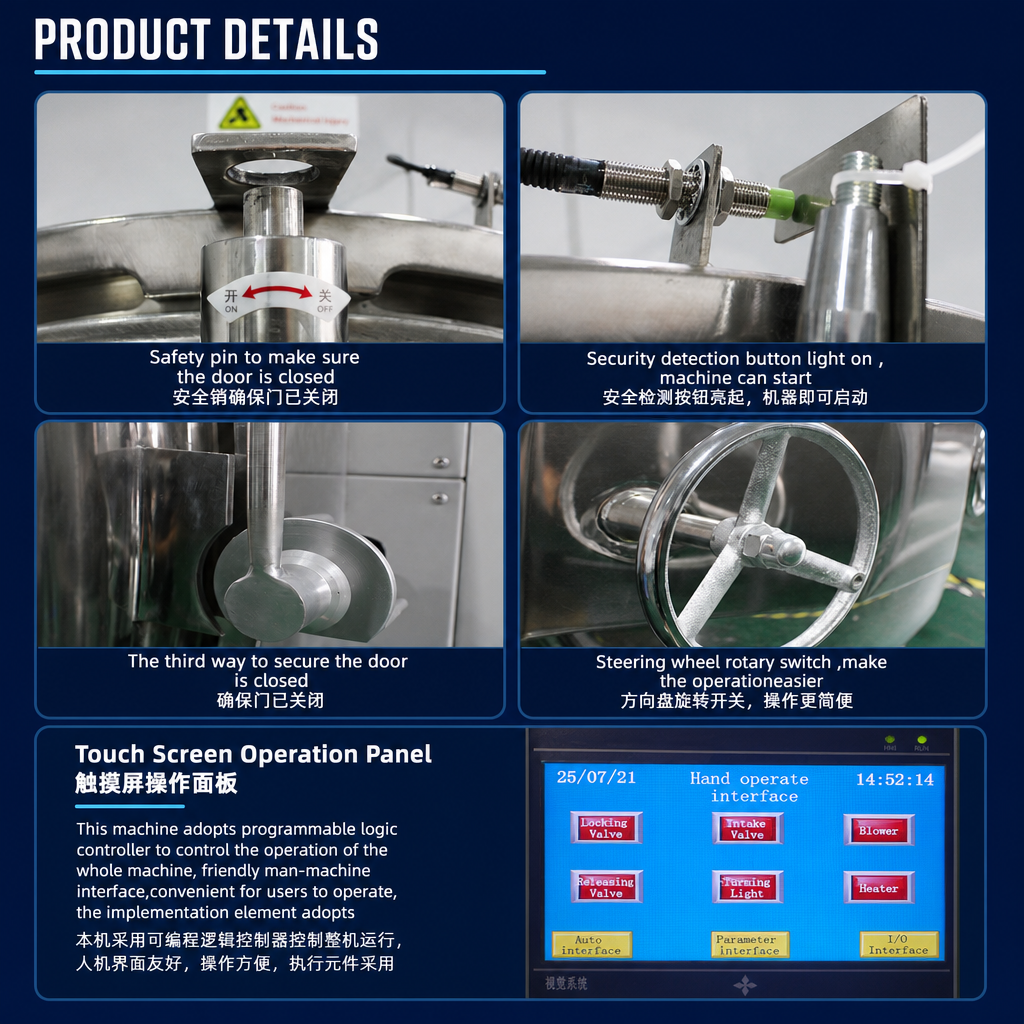
Data collection during the debubbling run gives you a record per cycle. On a production line that runs mixed module types, a saved recipe plus a run record is what makes yesterday’s good result repeatable next month.
The material states plainly: “Final temperature, pressure, time and sequence should be confirmed according to the product structure, adhesive type and process test results.” Treat any recipe as product-specific until it has been validated on your own parts.
Why Choose Us




An honest recommendation. If your production area is dry, temperature-controlled and running standard OCA or SCA systems, a carbon steel chamber of equivalent geometry will do the same job at a materially lower cost basis, and we will tell you so. Specify stainless when your environment or your cleaning regime justifies it — not by default.
Supply and Support:
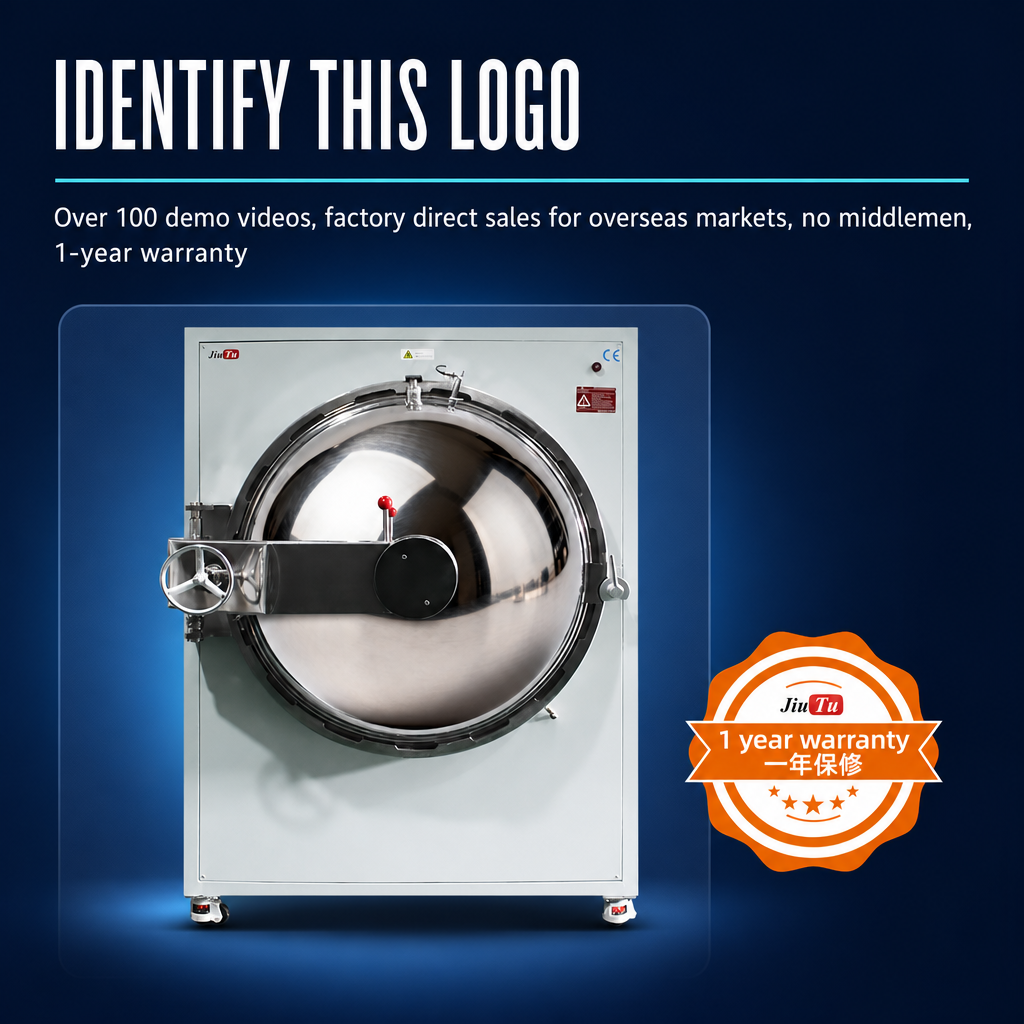
Over 100 demo videos
Factory direct sales for overseas markets, no middlemen
1-year warranty
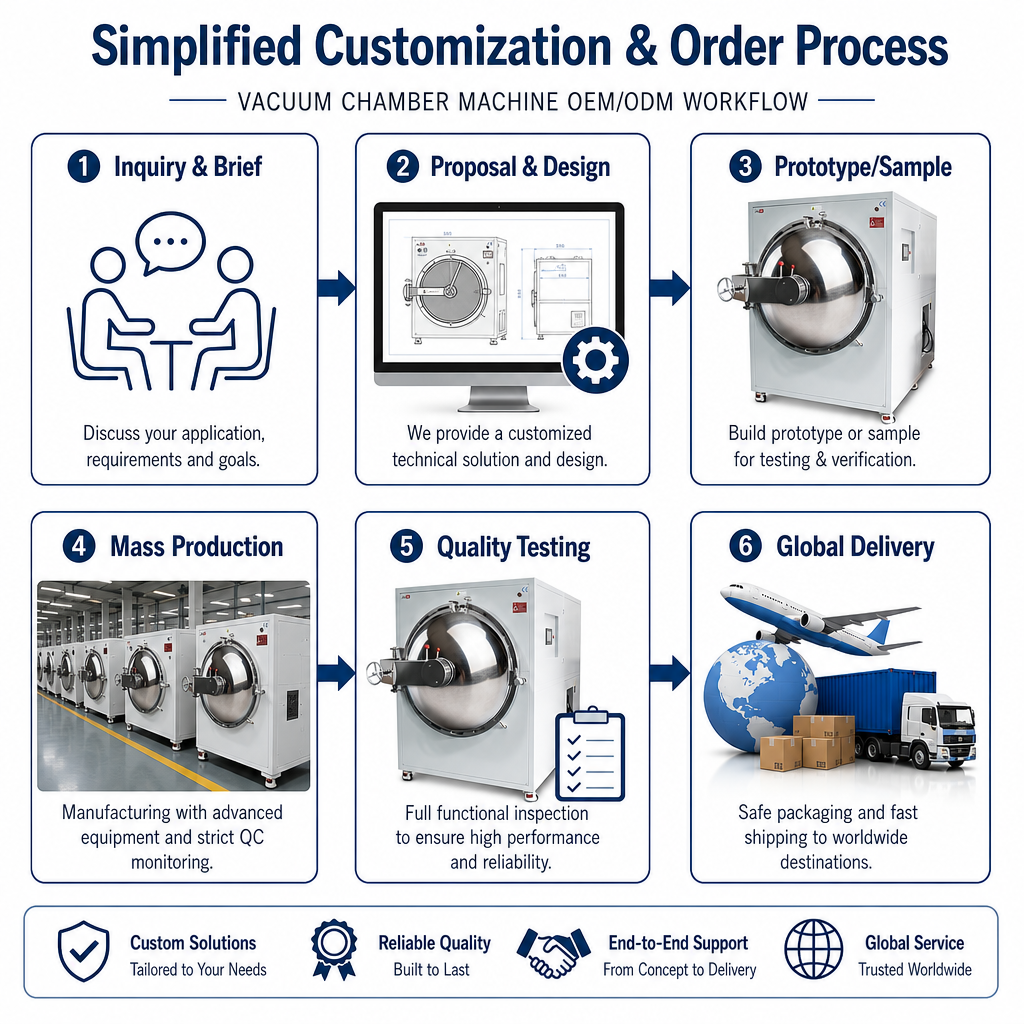
Factory manufacturing support
Custom chamber configuration
Application and process support
What This Machine Cannot Do: Pressurised debubbling completes a lamination that was done correctly upstream. It will not:
Remove dust or particulate already sealed inside the adhesive layer
Correct misalignment between cover glass, sensor and display layers
Rescue a bond made with expired, contaminated or incompatible adhesive
Compensate for uneven pressure applied by a lamination fixture upstream
Deliver a valid recipe without process trials on your own parts and adhesive
Fit a module wider than the chamber bore, regardless of how much depth remains
Send defect photographs, module dimensions and your adhesive system, and we will tell you plainly whether this machine addresses your problem or whether the cause sits before this step.
Key Features

Product Details


Interested in This Product?
Tell us your project details and our team will prepare a customized quotation.
GET QUOTE NOW