
The 300×400 Mesh Film Laminating Machine
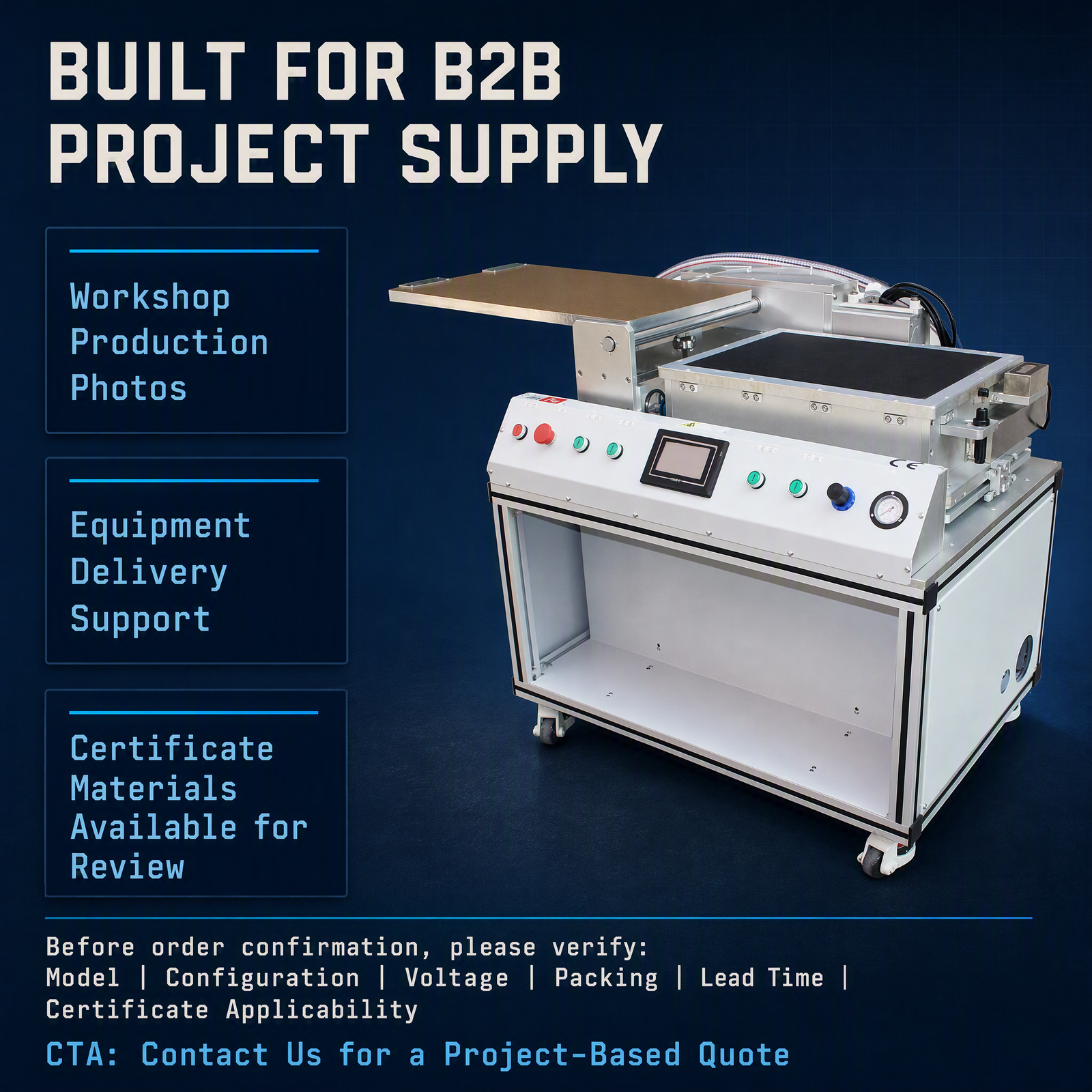
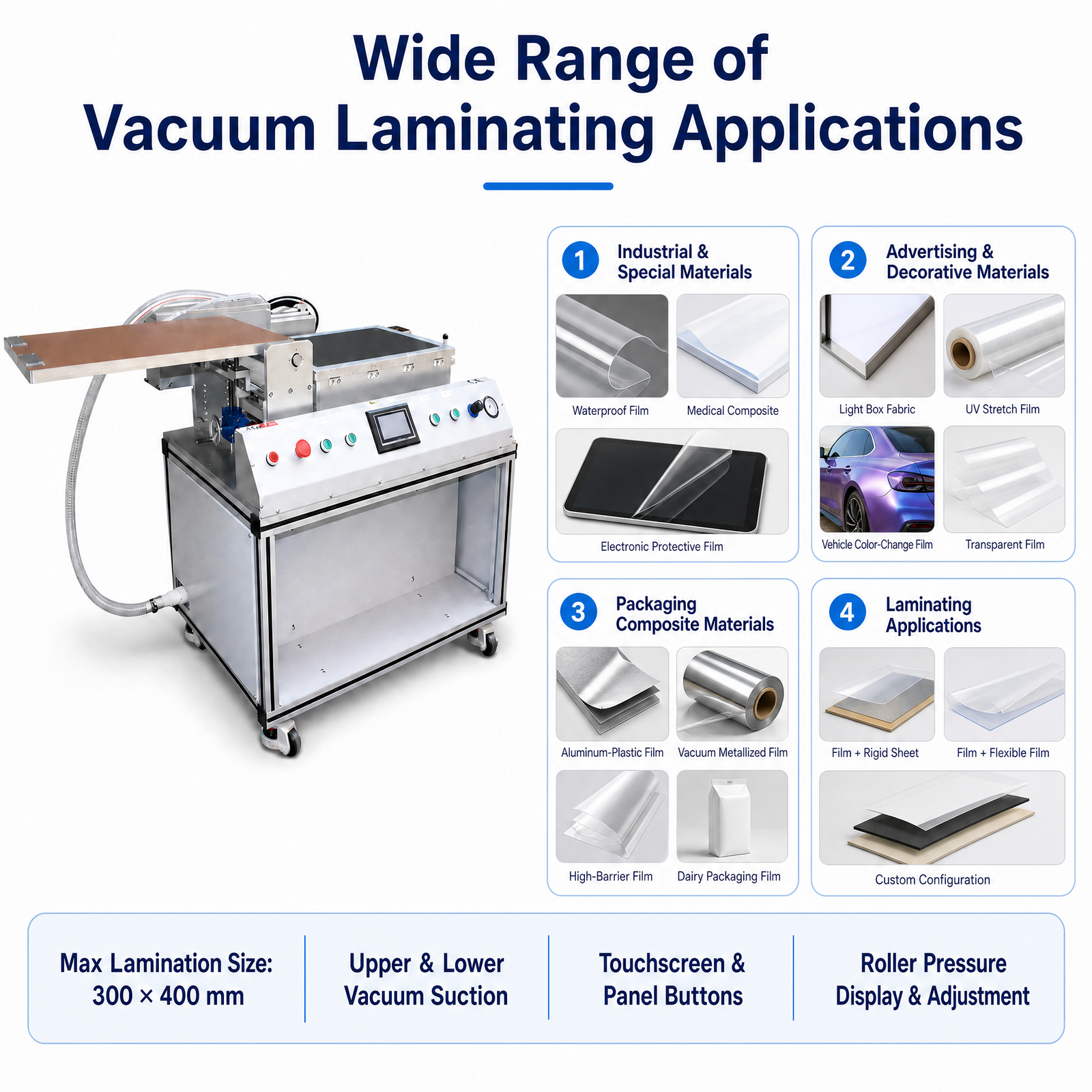
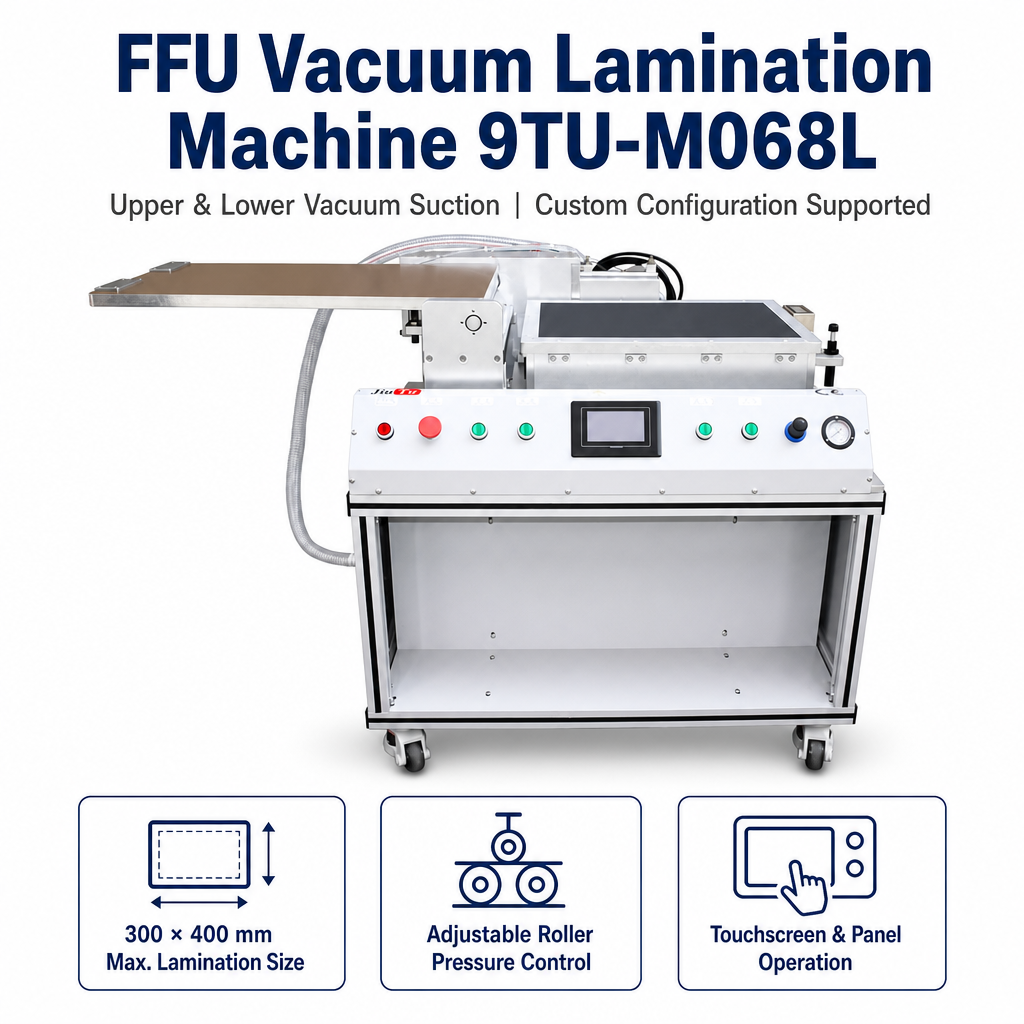
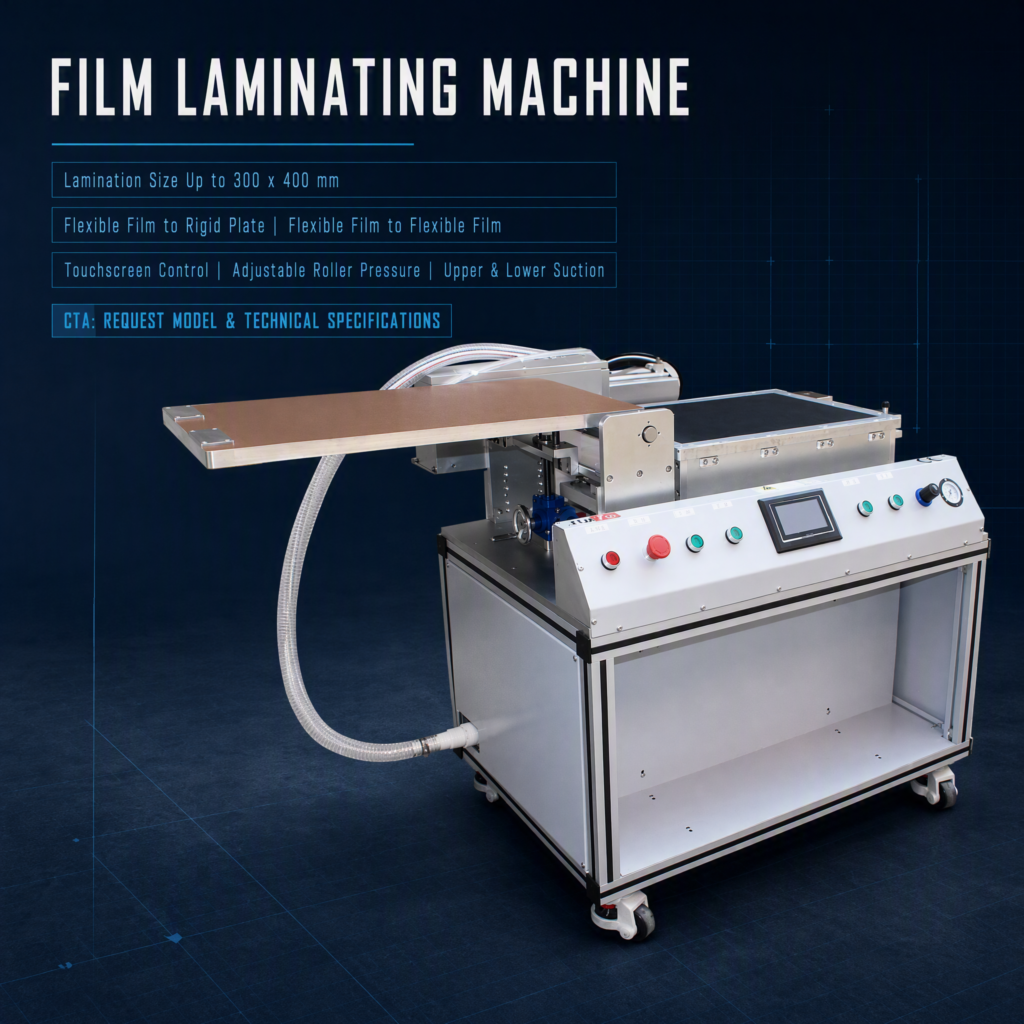
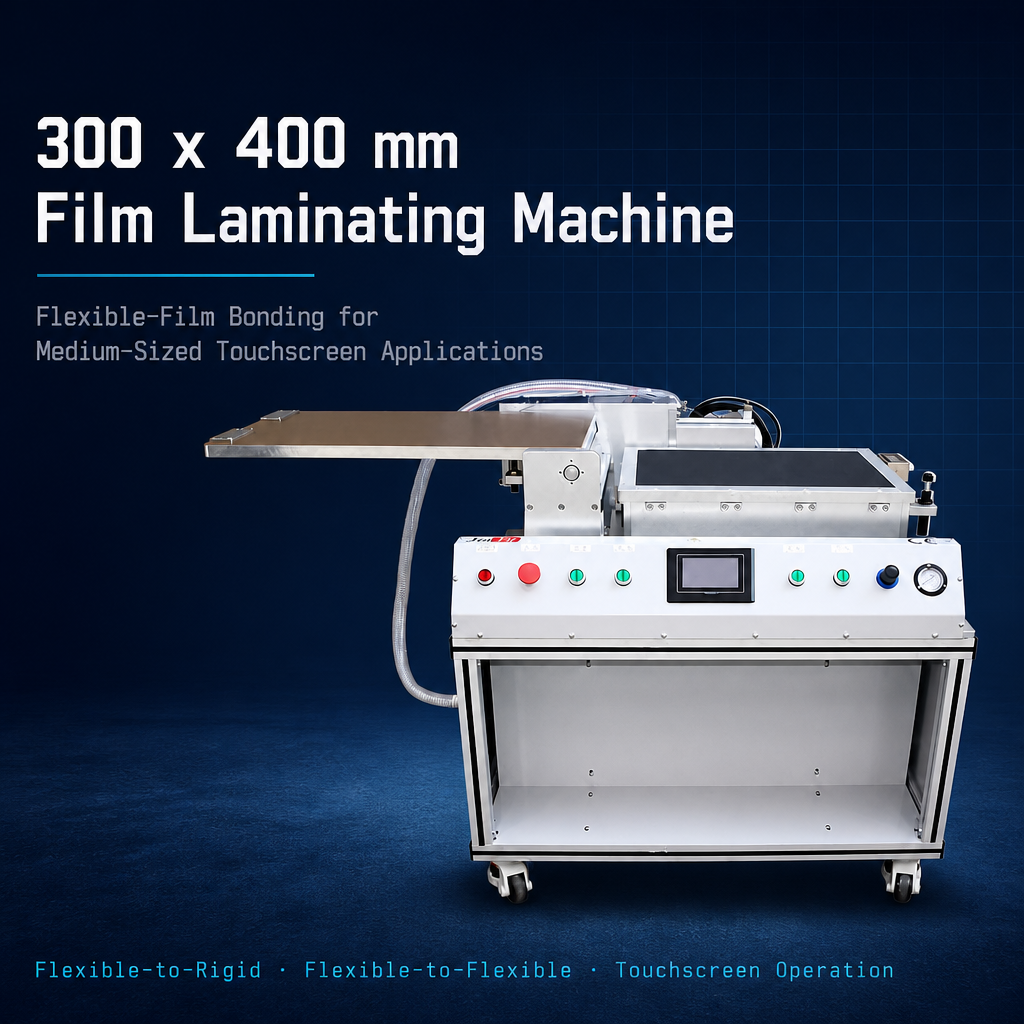
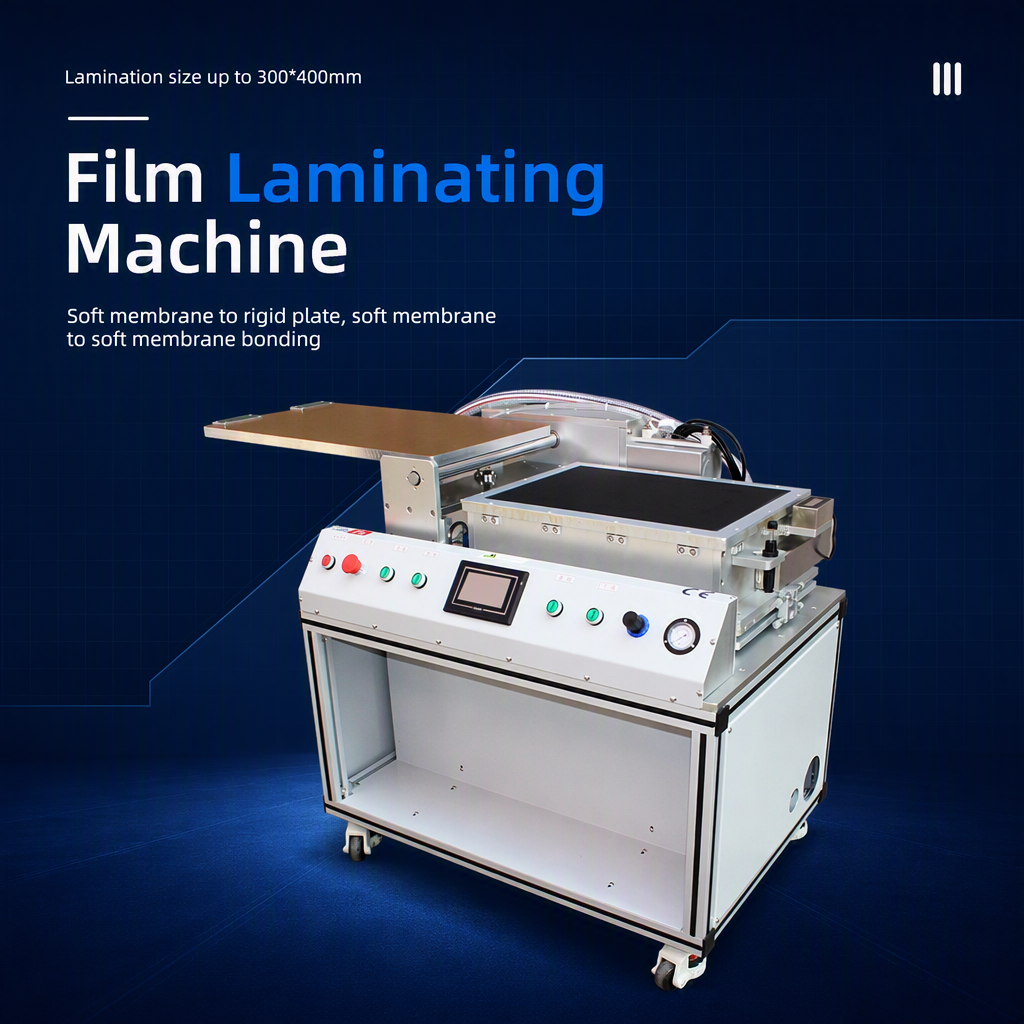
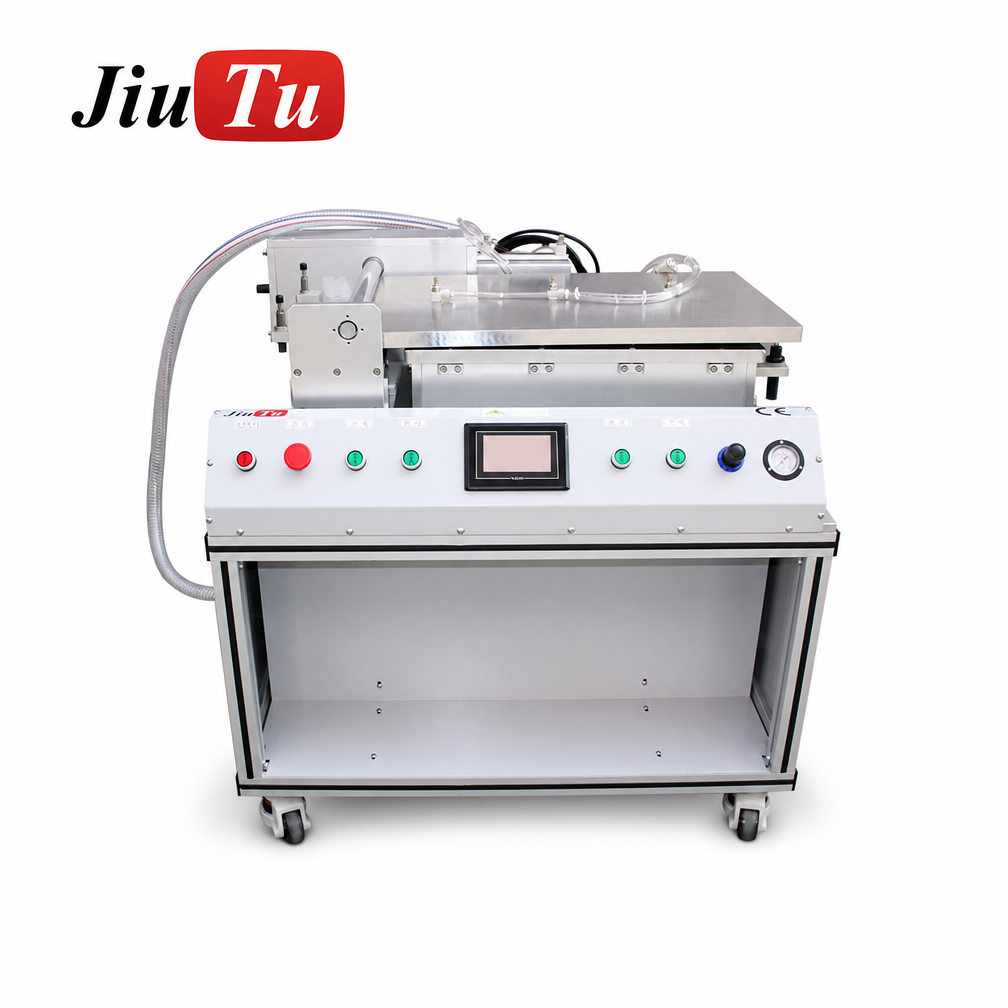
The 300×400 Mesh Film Laminating Machine is a production-grade lamination system built for factories manufacturing medium-to-large industrial display panels, touch-screen modules (TP), LCM assemblies,...
GET QUOTE NOW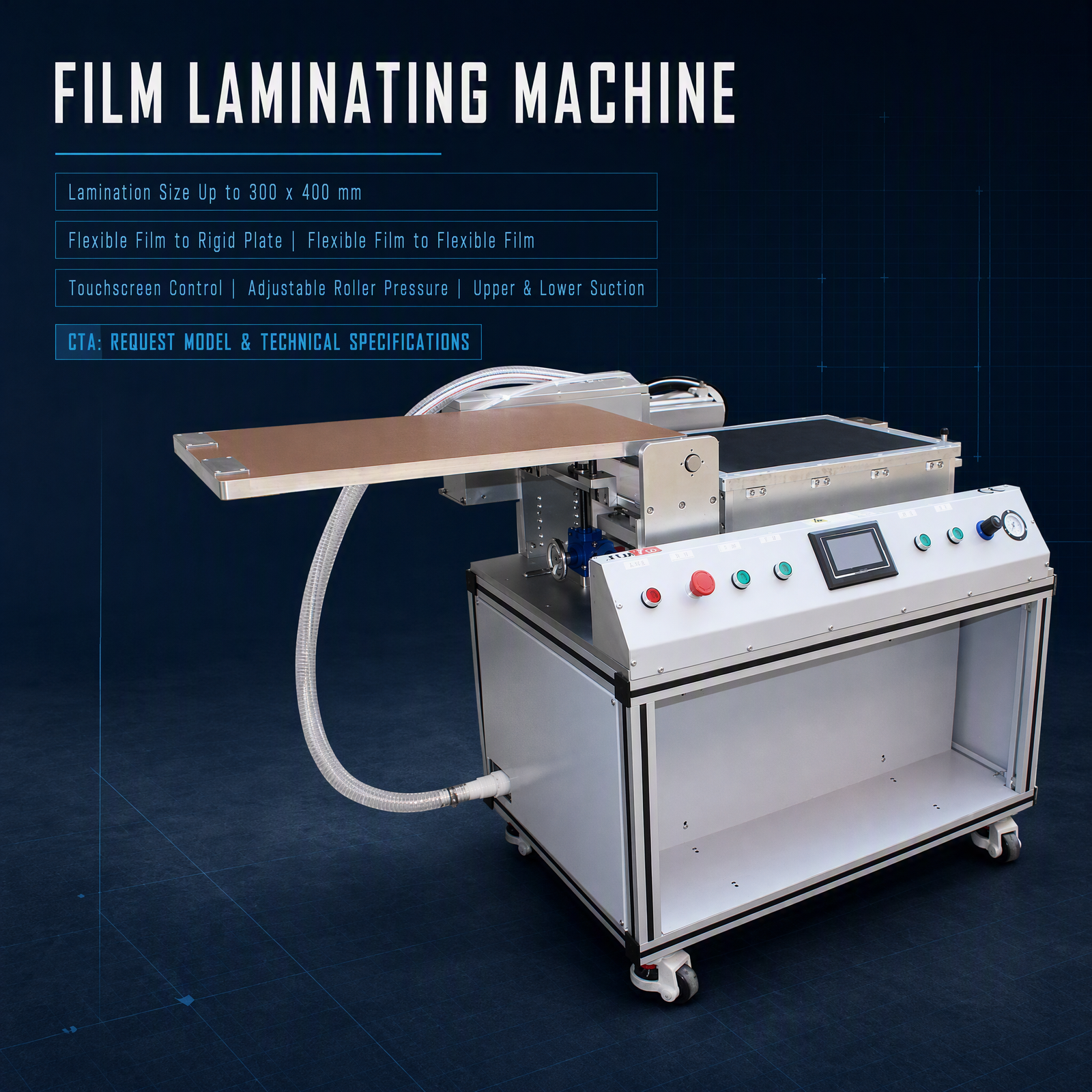
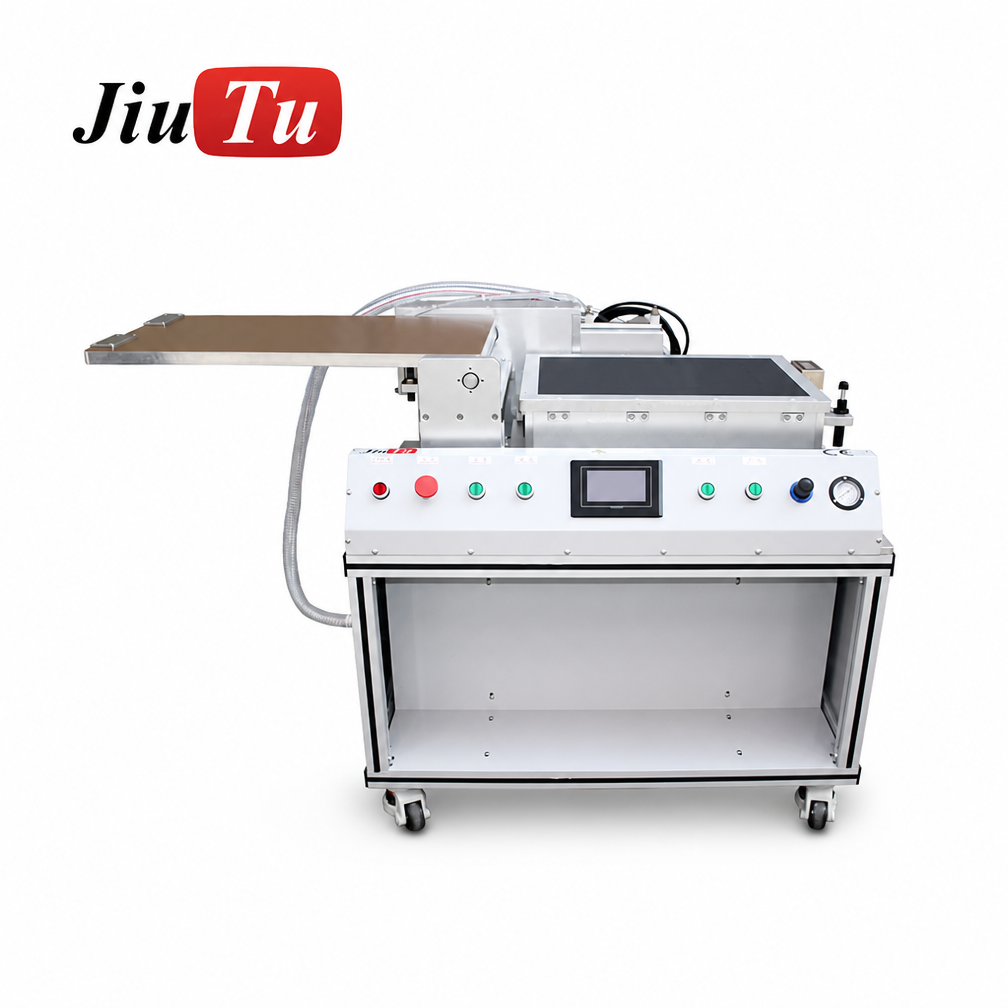
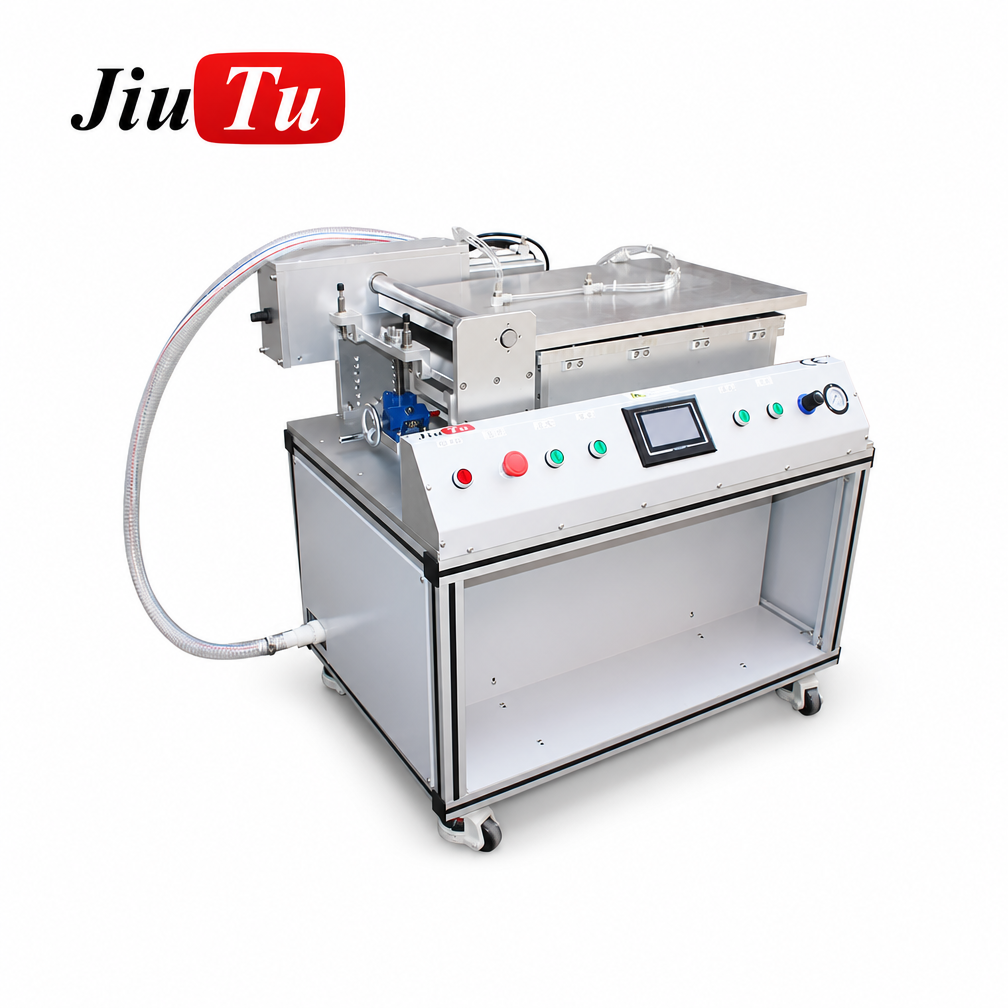
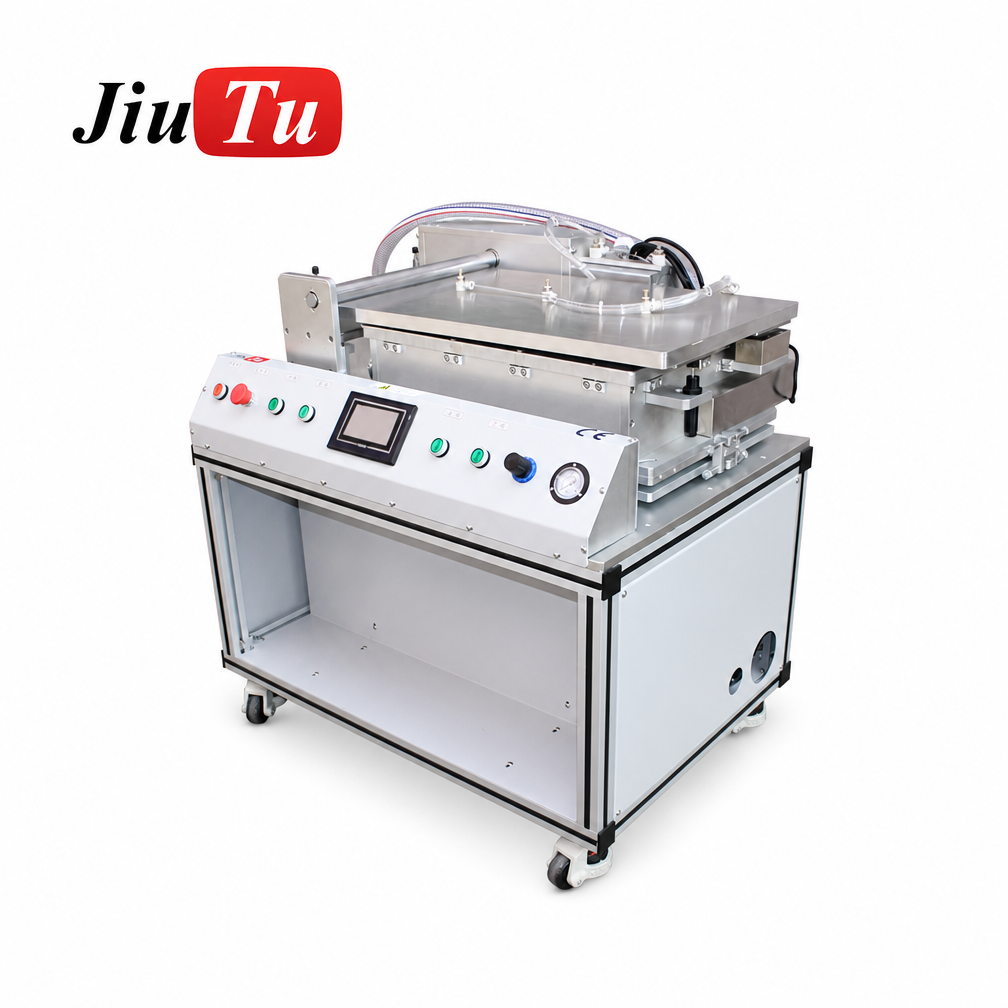
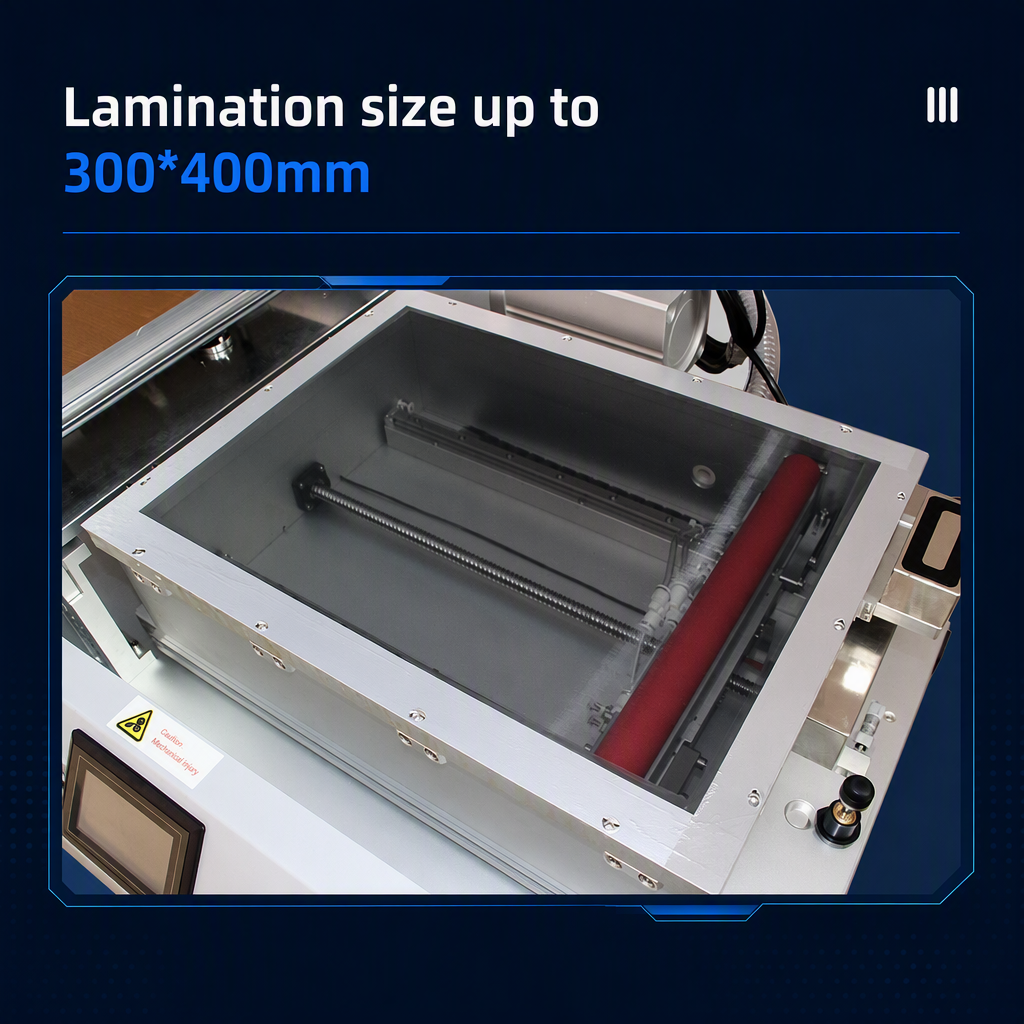
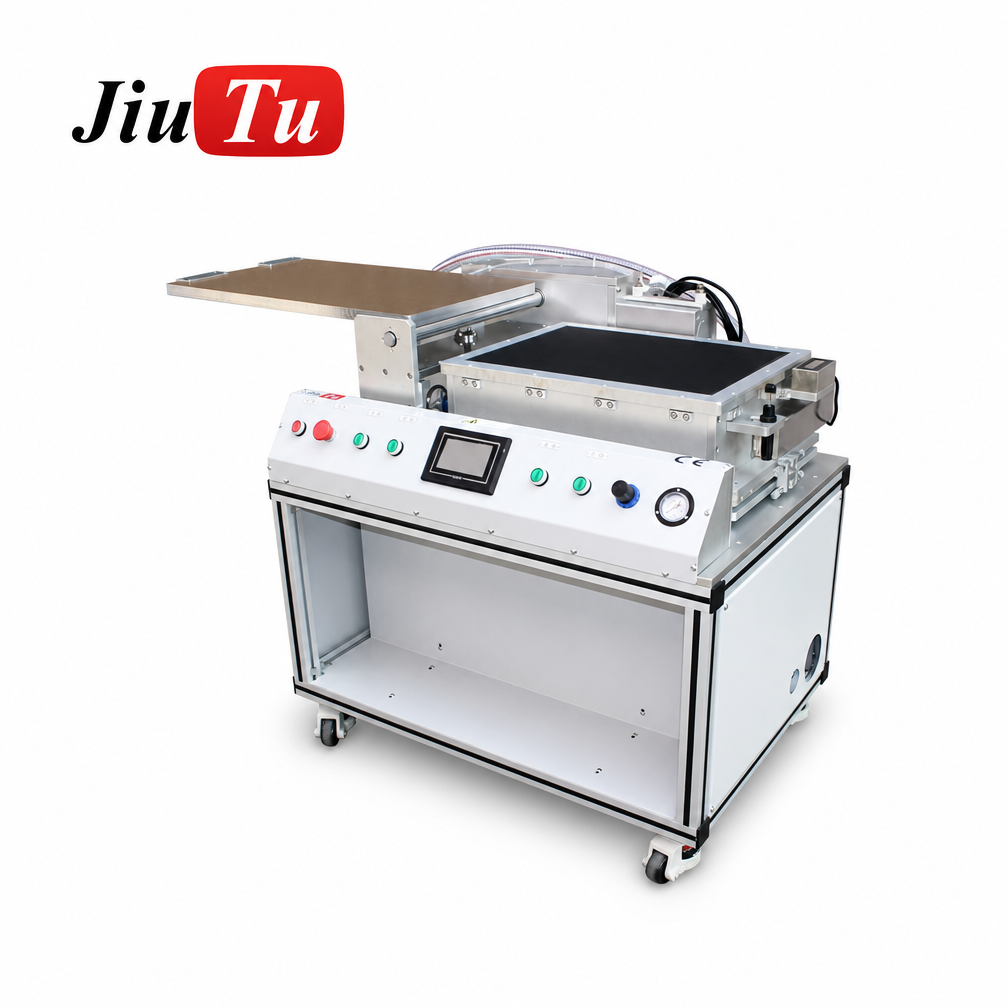
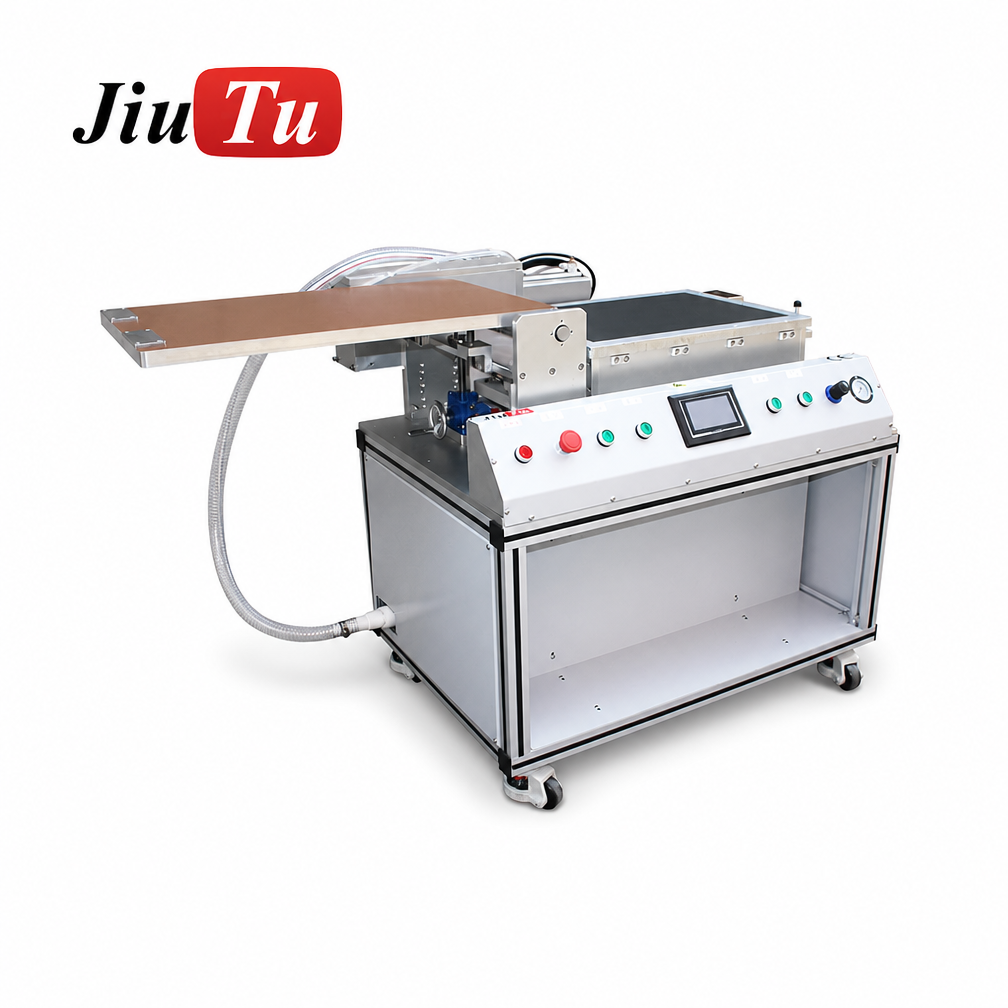
The machine’s defining characteristic is its mesh screen roller mechanism: a precision mesh screen (200/300 mesh, 16–24 N/cm, polyester, white) mounted on the upper platform acts as the bonding interface between the roller and the film surface. This mesh screen distributes applied pressure evenly and continuously across the entire working area during each bonding stroke, making it particularly well-suited for flexible films and soft-to-soft lamination processes where direct rigid roller contact would cause film distortion or uneven adhesion.
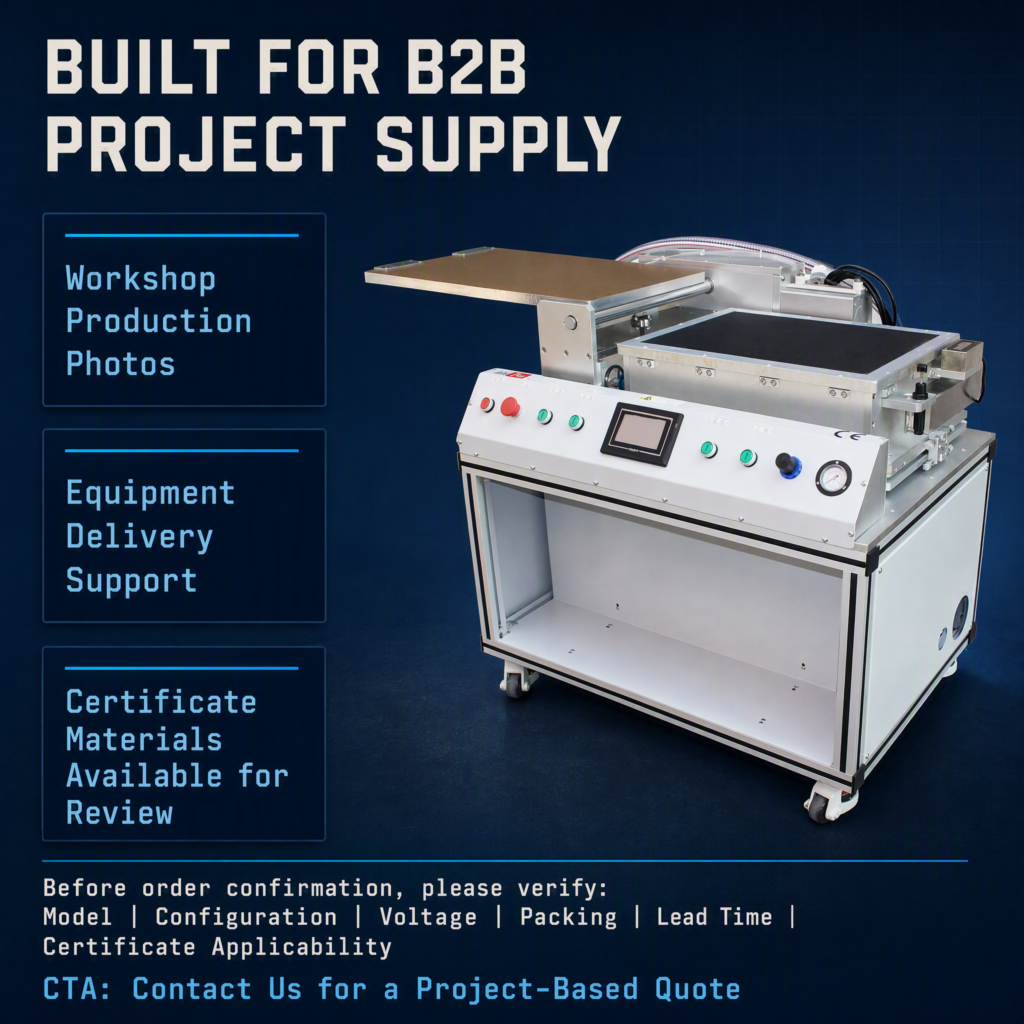
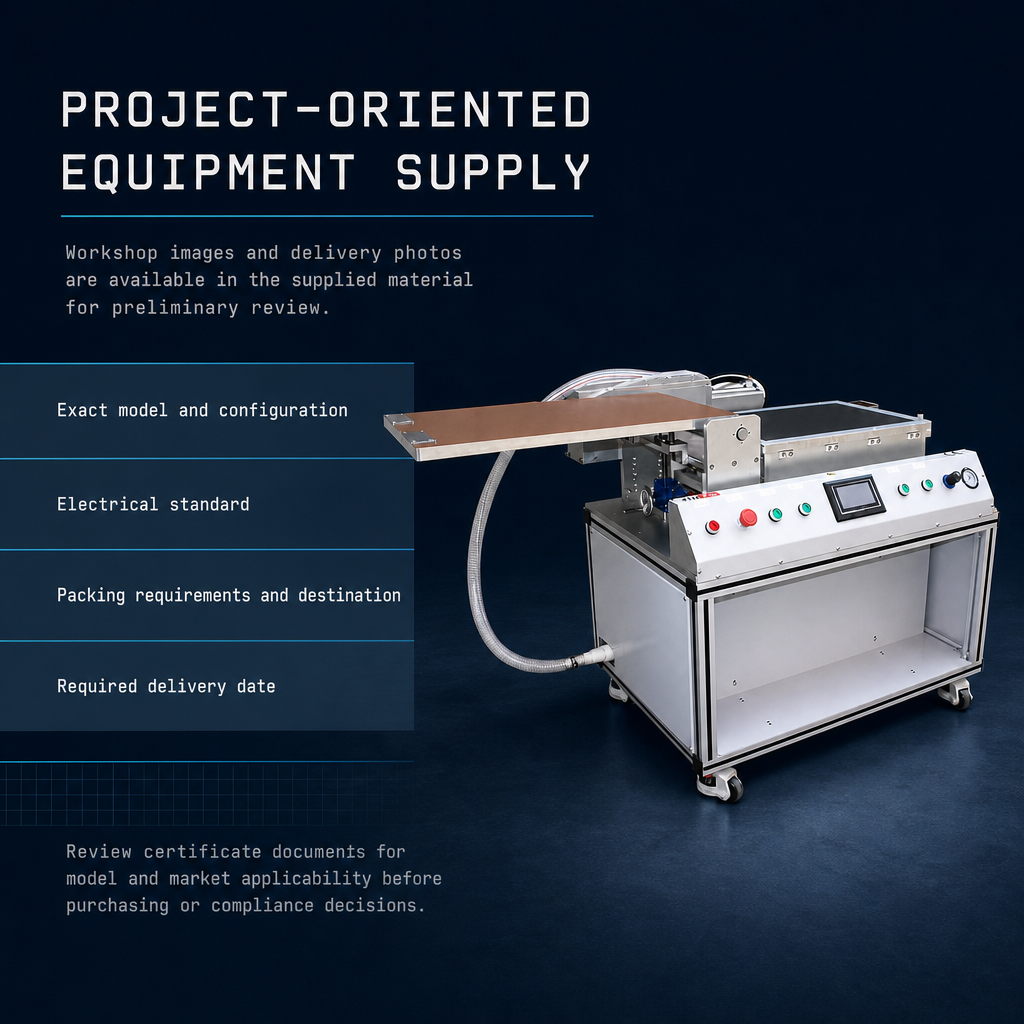
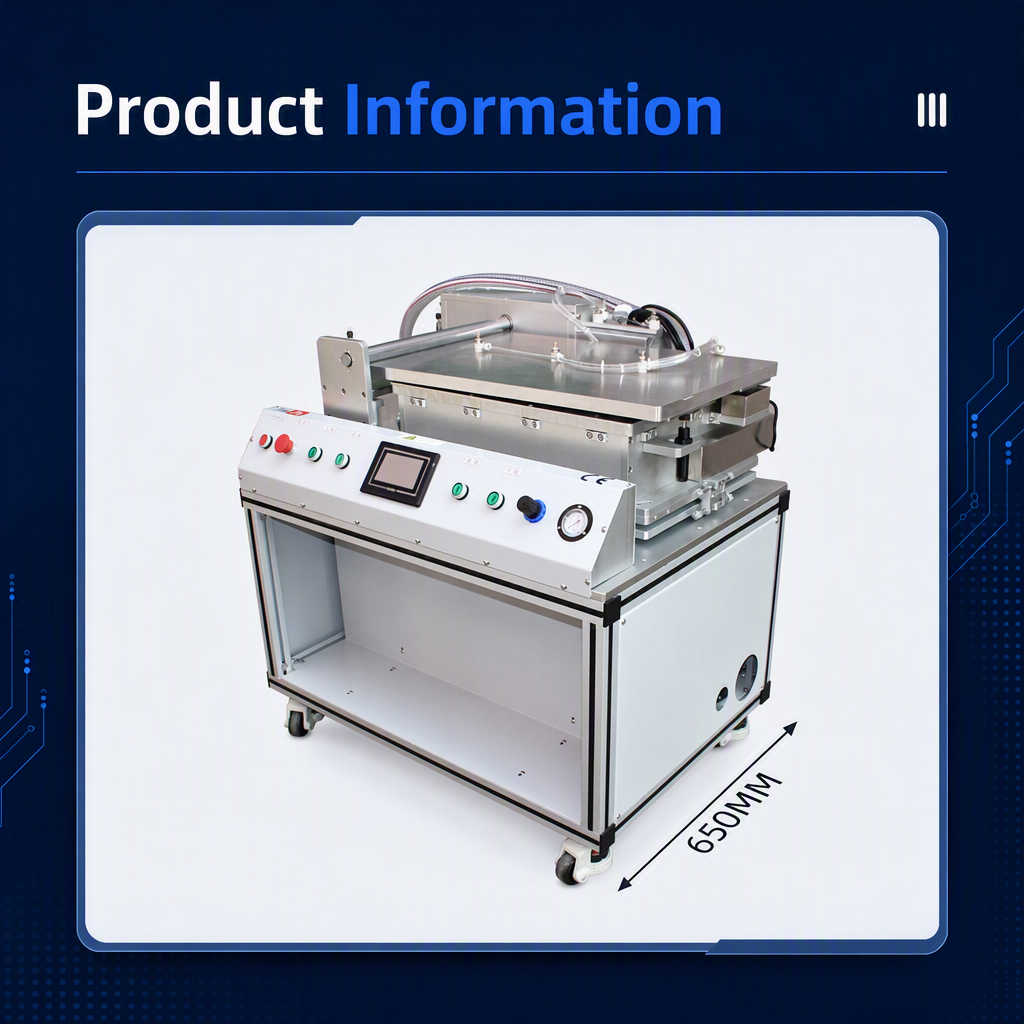
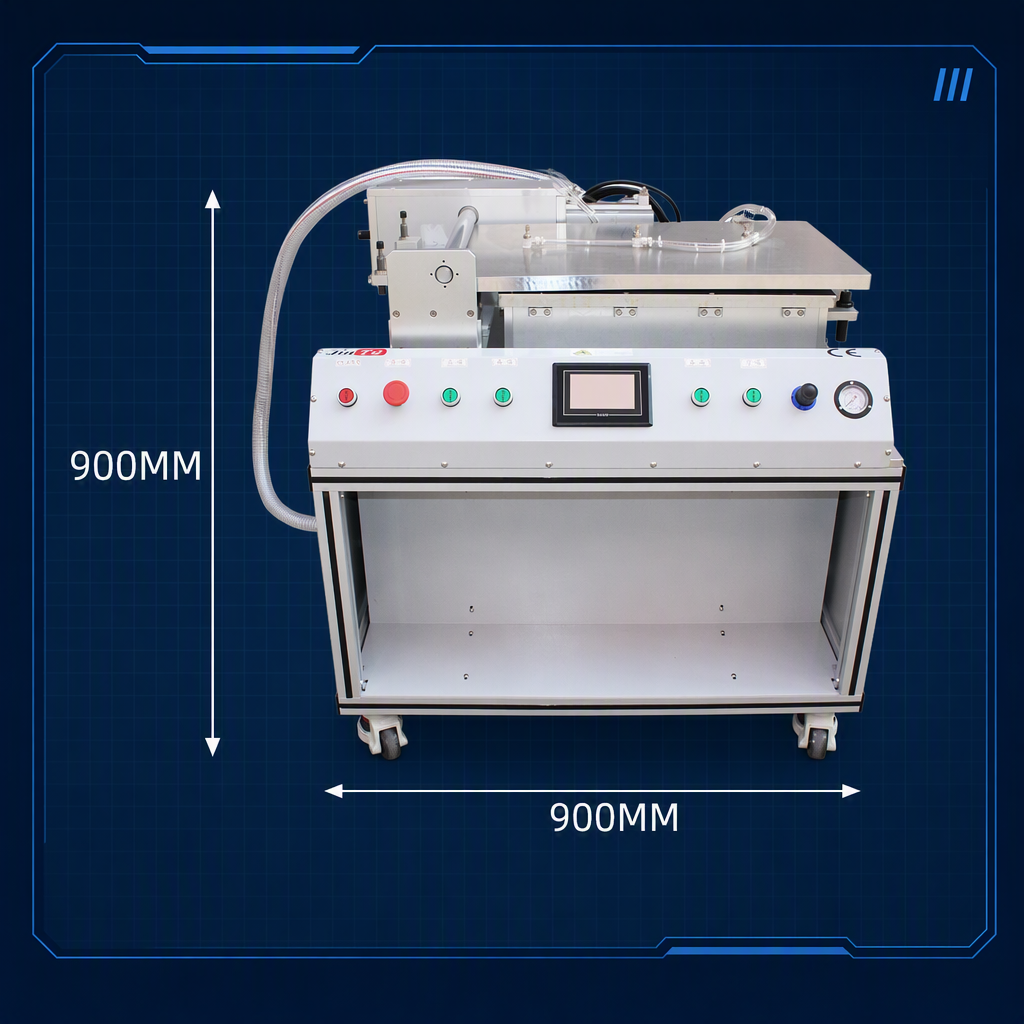
The machine is built on a mobile cabinet base with lockable castors, allowing it to be repositioned within the production floor without equipment-moving tools. The elevated cabinet structure houses the pneumatic and electrical systems internally, keeping the production work surface clear and uncluttered.
What Makes the Mesh Screen Mechanism Different
In standard roller lamination, a rigid rubber or silicone roller contacts the film directly. For soft, thin, or fragile films — including functional sheets, conductive films, and delicate OCA layers — direct roller contact can cause:
Uneven pressure distribution at the roller edges
Film stretching or deformation ahead of the contact point
Localised adhesive squeeze-out on precision-tolerance assemblies
The mesh screen layer between the roller and the film surface acts as a compliant pressure distribution medium. It spreads the roller force uniformly across the full contact width, reducing peak pressure at any single point and enabling consistent lamination across the entire 300 × 400 mm working area — including at panel edges and corners where direct-roller machines commonly show reduced bonding quality.
This is the same mesh-screen principle used in industrial screen-printing pressure applications, adapted here for precision film lamination in display module manufacturing.
Compatible Film and Material Types
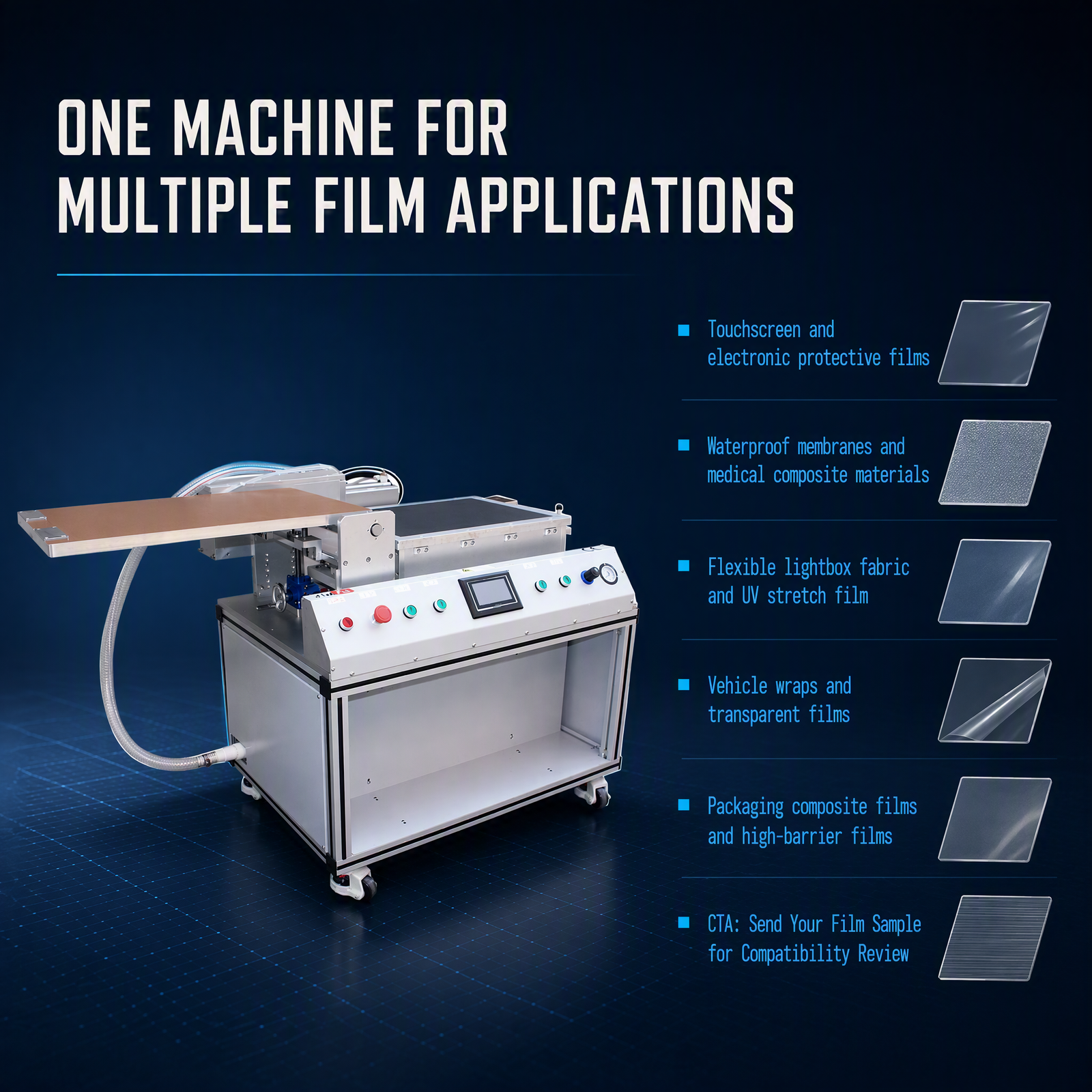
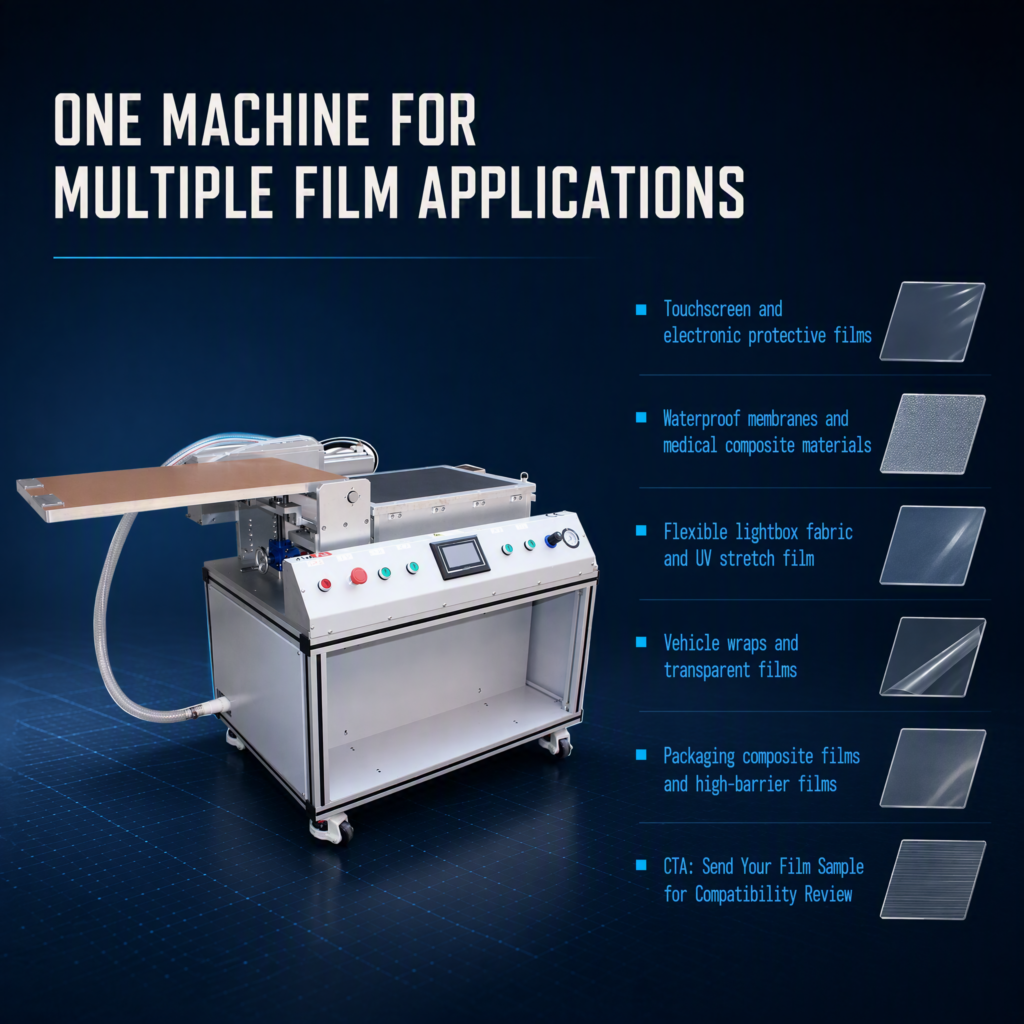
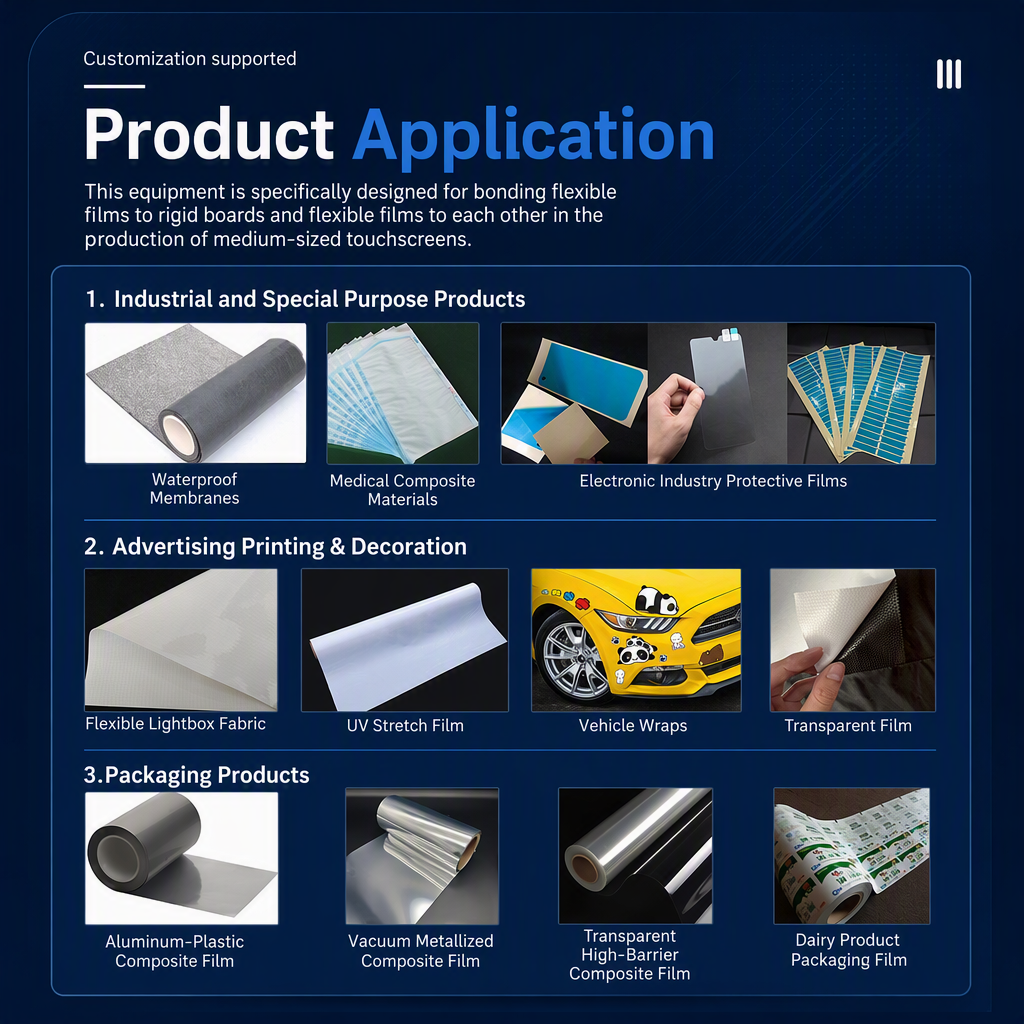
Per the equipment specification and product introduction, the machine is designed for the following applications:
Film / Material Type Application in Display Manufacturing
OCA (Optical Clear Adhesive) film Optical adhesive bonding for G+G, G+F display panel structures
AB adhesive film Double-sided adhesive film lamination in display module assembly
Polarizer (Pol) film Polarizing layer application on LCD panels
Protective film Surface protection film on cover glass and panel faces
Functional sheet Functional optical sheet lamination on display assemblies
TP cover film Touch-panel cover glass film application
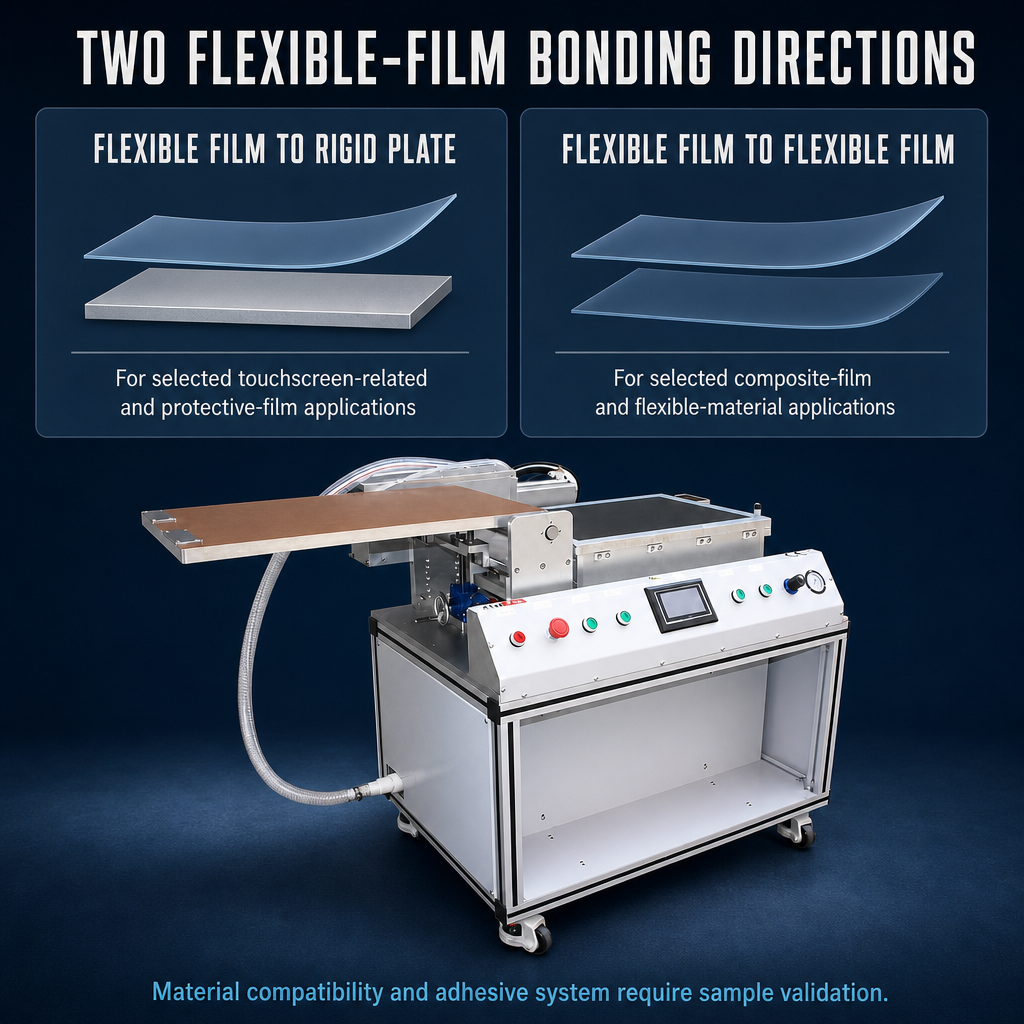
Bonding modes supported: soft film to rigid board (soft-to-hard) and soft film to soft film (soft-to-soft).
Key Features
① Mesh Screen Upper Platform (300/200 Mesh Polyester) The upper platform uses a precision mesh screen as the bonding medium between the roller pressure system and the film surface. Mesh specification: 200/300 mesh, tension 16–24 N/cm, polyester material, white. This mesh distributes bonding force uniformly across the L788 × W430 mm upper platform surface, accommodating the full range of soft and functional film types used in display panel production.
② Servo Motor–Driven Lower Platform The lower platform advances and retracts under servo motor control, providing closed-loop positional accuracy (±0.05 mm control axis repeatability per specification). Servo drive eliminates the positional drift of pneumatic-only systems, maintaining consistent bonding stroke length across extended production runs.
③ Vacuum Adsorption on Both Platforms Both upper and lower platforms use vacuum adsorption with Ø0.8 mm vacuum holes at 10 × 10 mm pitch to secure film and substrate throughout the bonding cycle. The built-in vacuum system requires no external vacuum generator.
④ Corner Positioning Registration Substrate alignment uses corner positioning guides for mechanical registration before each cycle. This provides repeatable placement across production batches without optical alignment hardware.
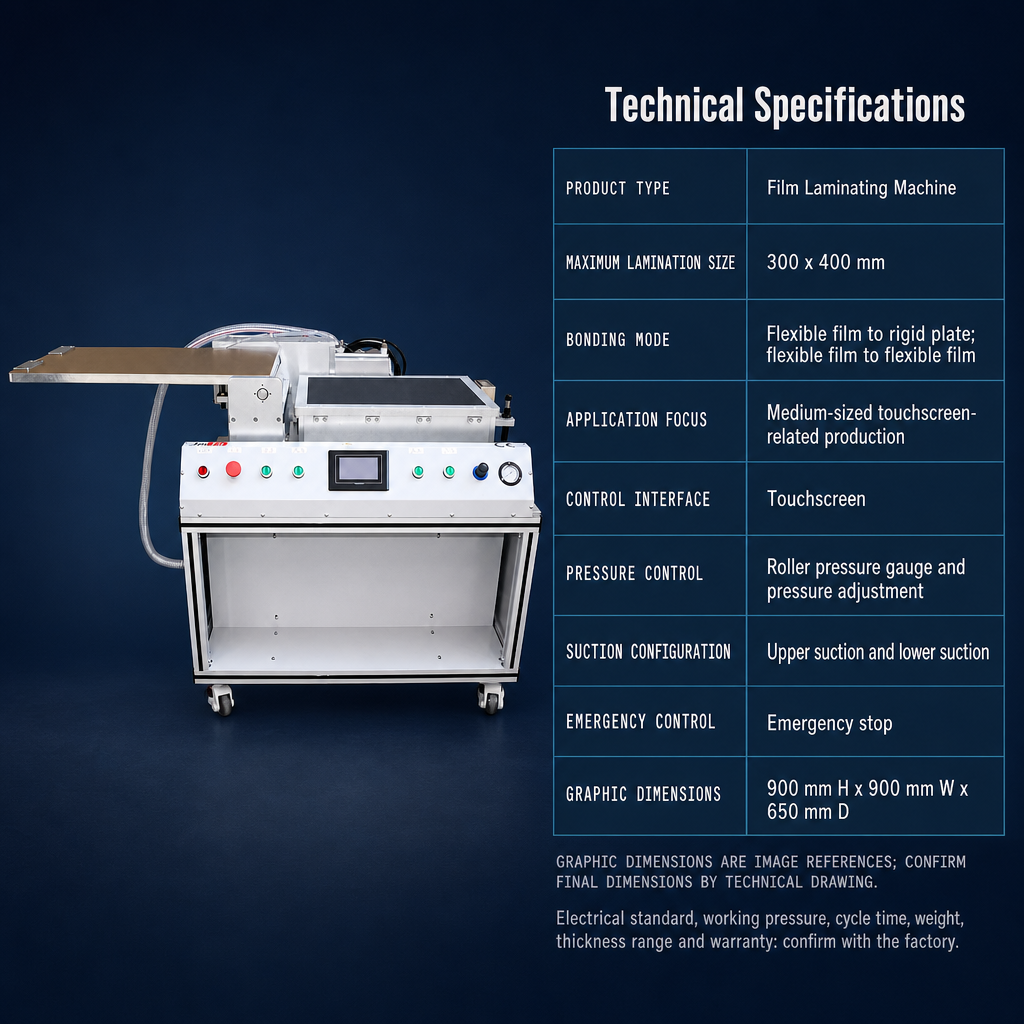
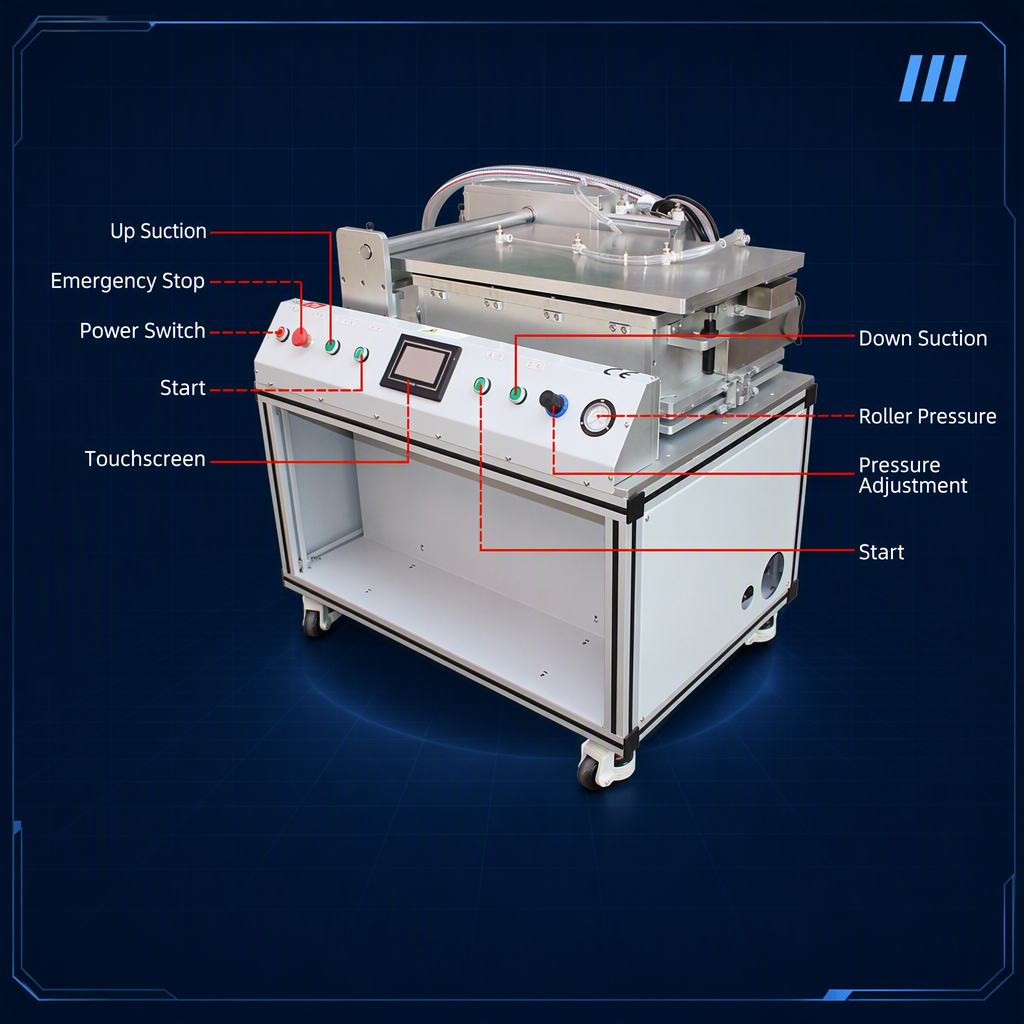
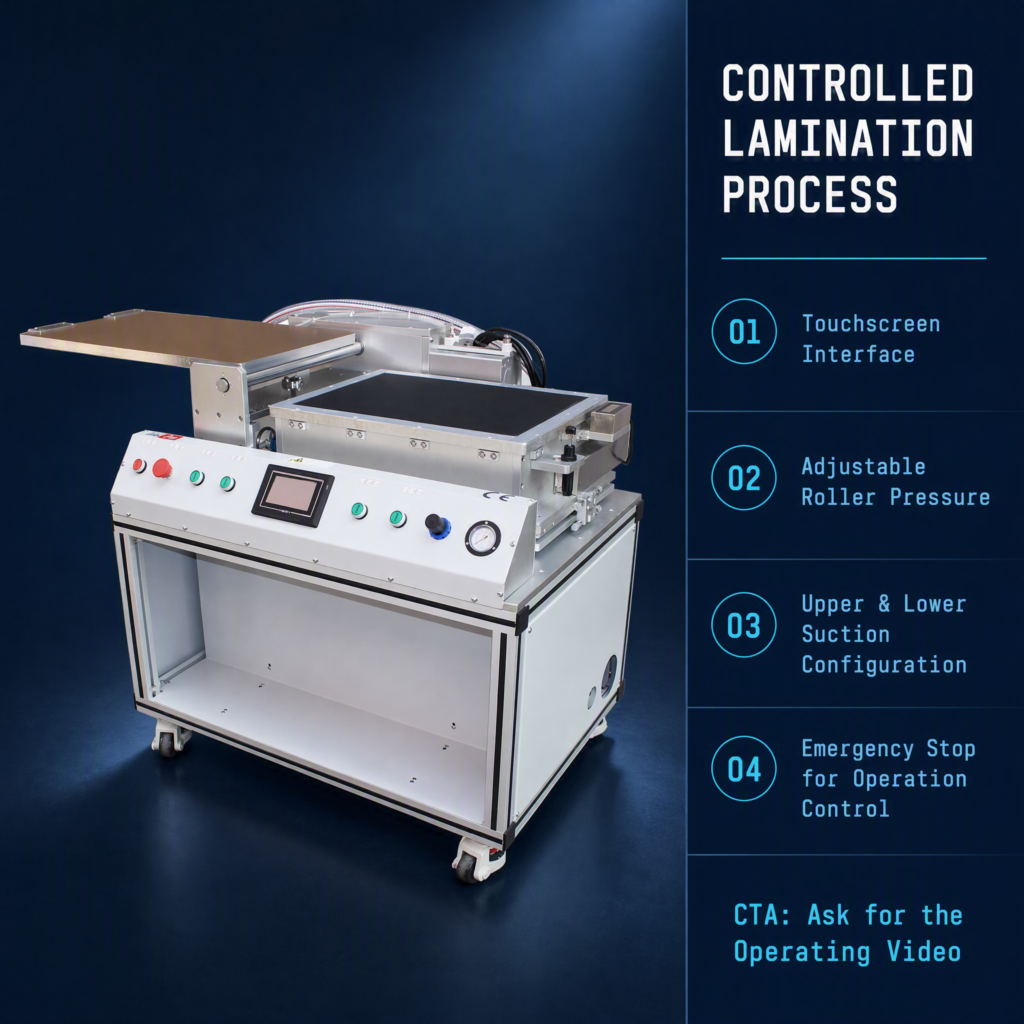
⑤ PLC + Touchscreen HMI with Multi-Recipe Storage All process parameters are programmed and stored via PLC with colour touchscreen HMI. Multiple product recipes are stored and recalled for rapid changeover:
Existing specifications: changeover < 15 minutes
New specifications: changeover < 30 minutes
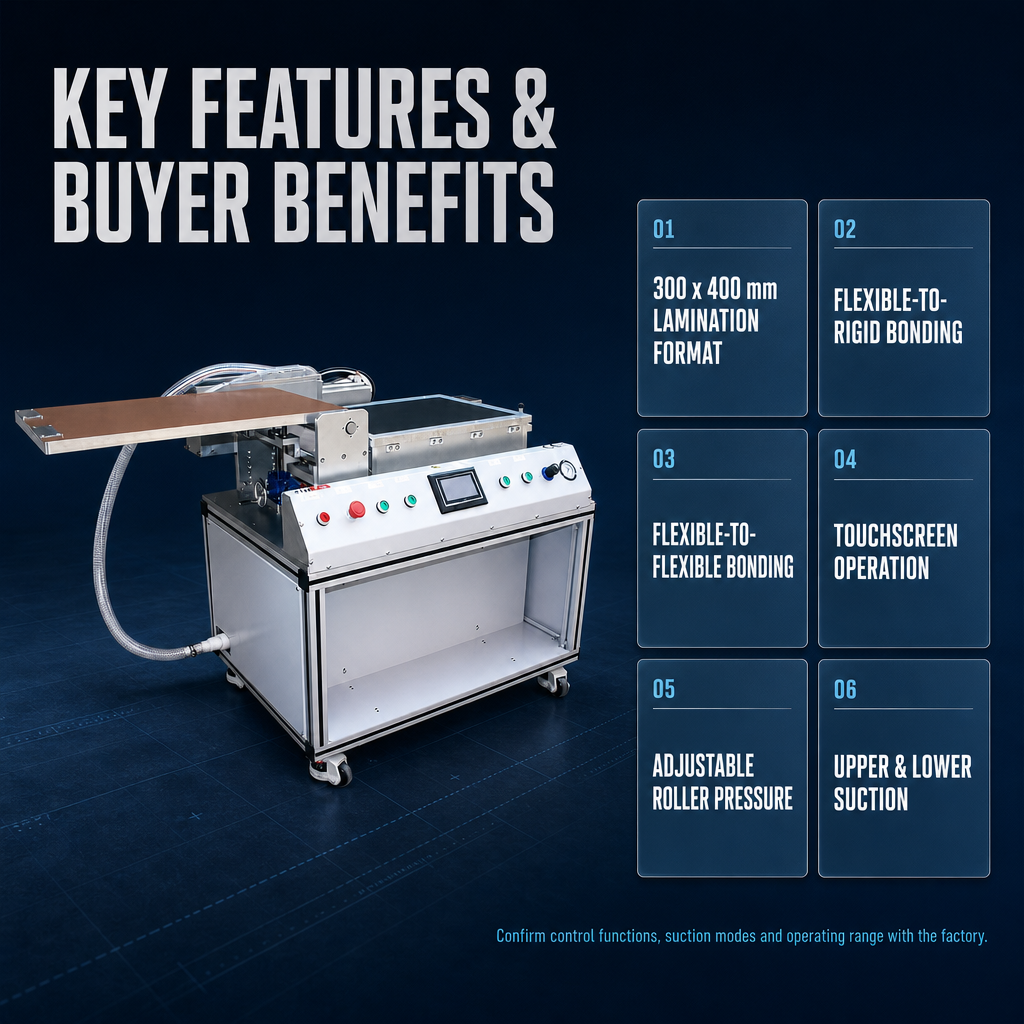
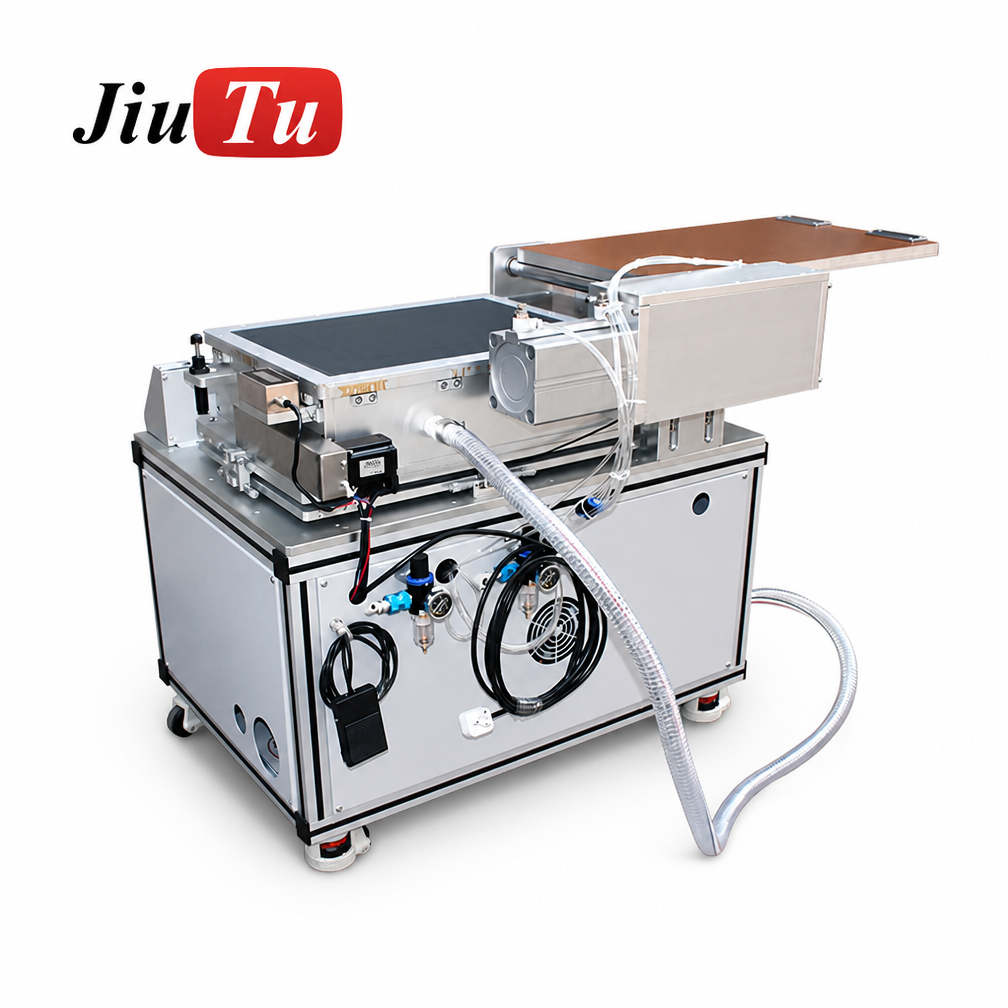
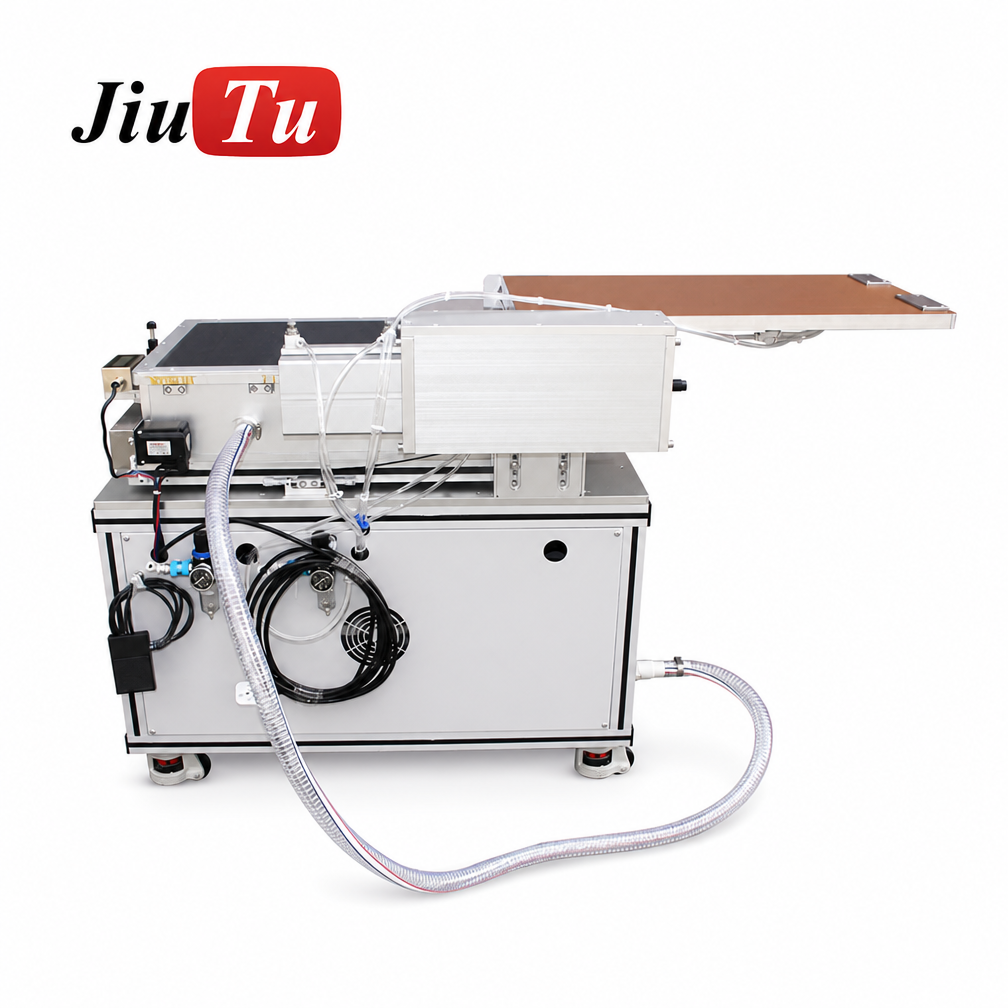
⑥ Mobile Cabinet Base with Lockable Castors The machine is mounted on a full-height cabinet base with castors, allowing repositioning within the production floor. The cabinet houses pneumatic regulators, electrical panels, and the vacuum system internally. Levelling feet stabilise the machine at the production position.
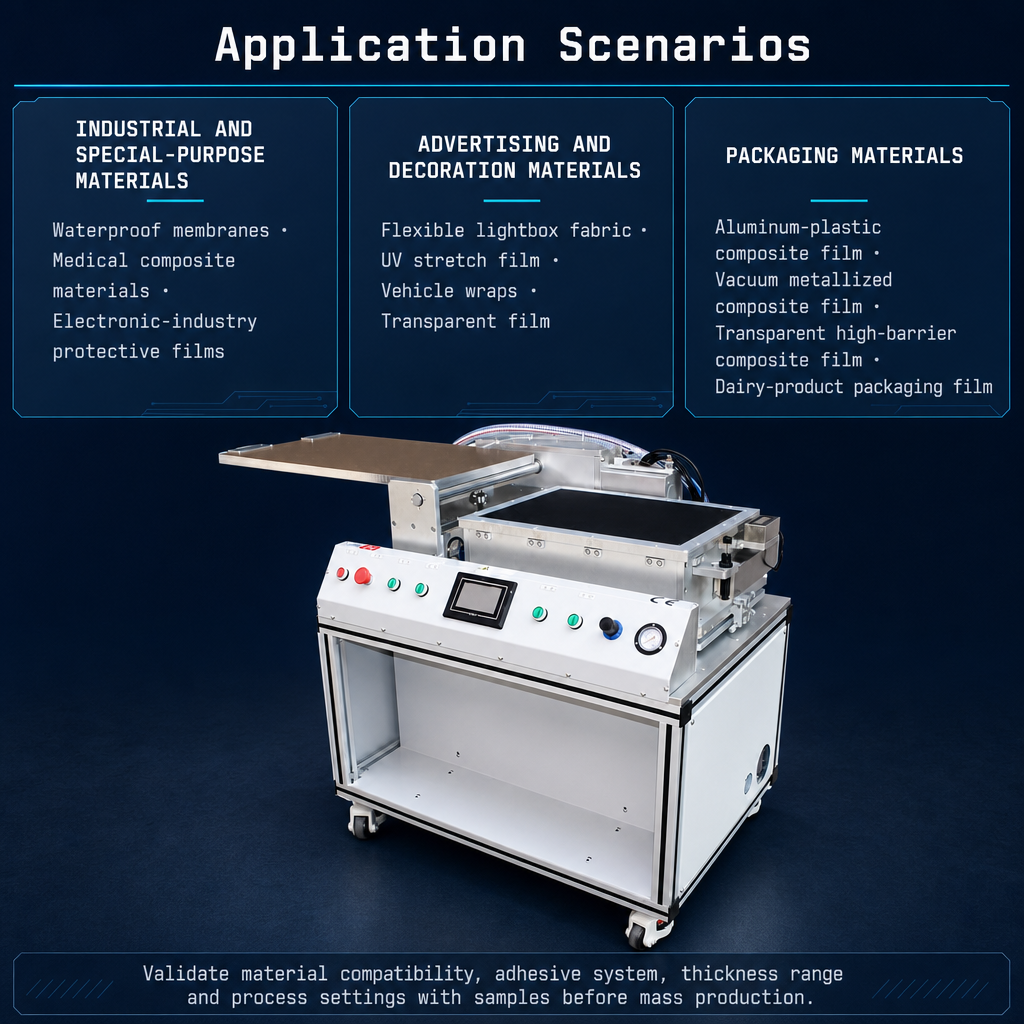
⑦ Aluminium Alloy and Sheet Metal Frame The machine structure uses aluminium alloy profiles and precision sheet metal construction. Fixture platform materials are selected for dimensional stability and non-deformation under repeated thermal and mechanical cycling.
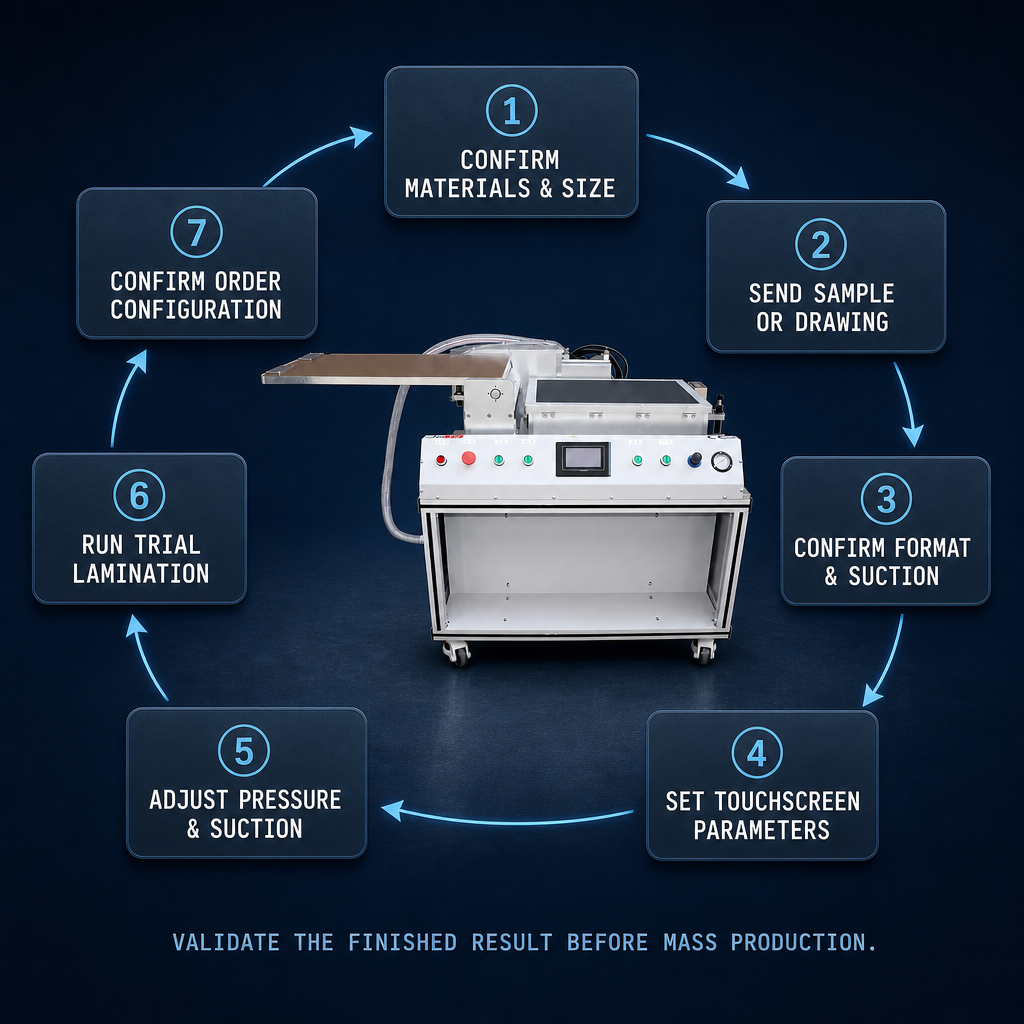
⑧ Pneumatic Pressure Regulation The pneumatic system includes pressure regulation and throttle control for stable, consistent air circuit operation. Working air supply: 5–7 kg/cm² (≈ 0.5–0.7 MPa) via Ø12 quick-connect fitting. Air consumption: 10 L/min.
⑨ Safety Systems
Emergency stop with origin-return requirement after fault resolution
Short-circuit protection and electrical interlocking
Vacuum detection signal feedback
Safety signage at high-voltage and mechanical movement locations
Optional: ion fan (anti-static) and static grounding
Why Choose Us
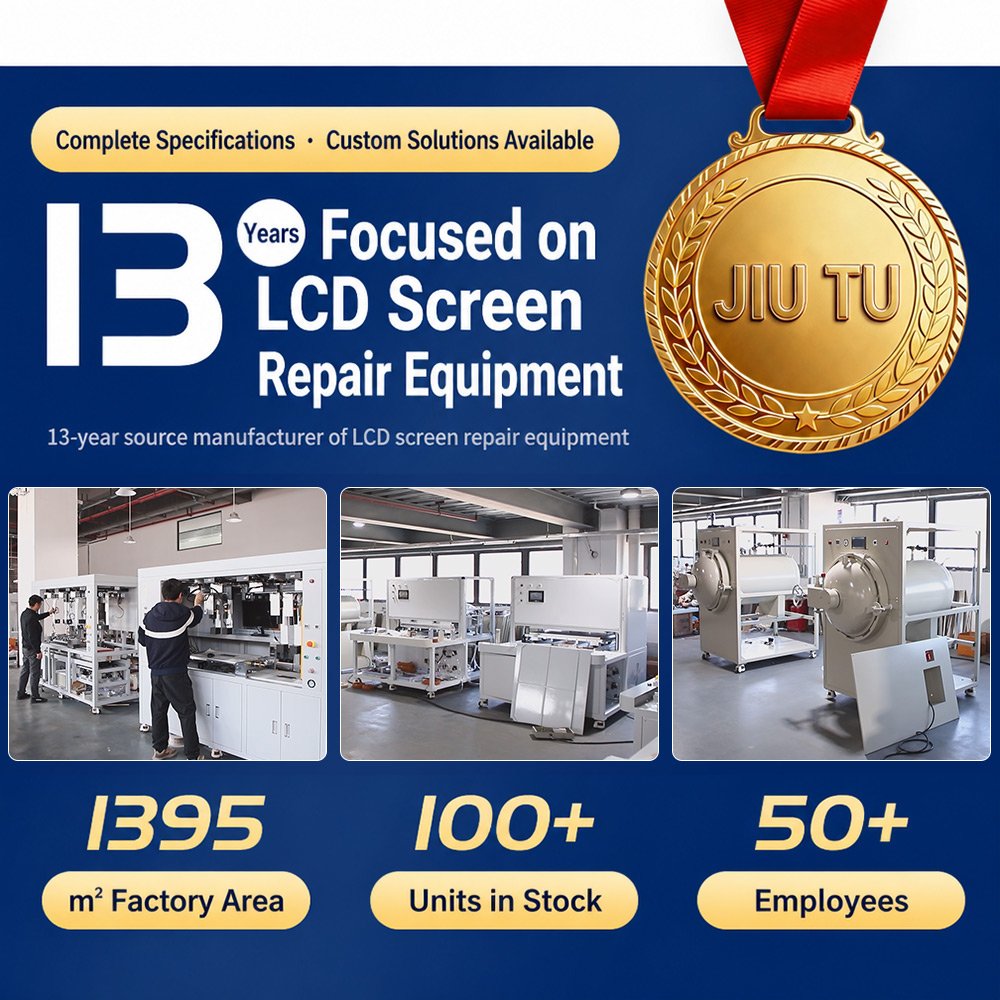
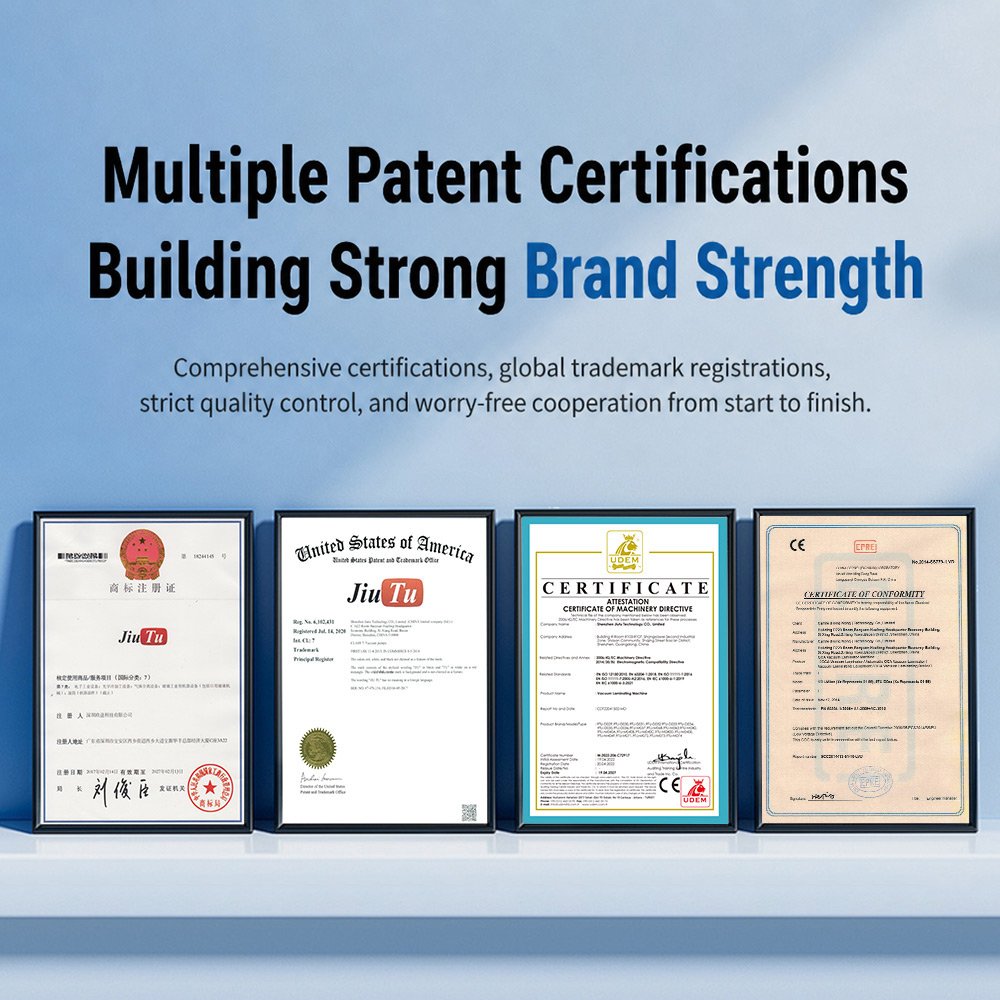
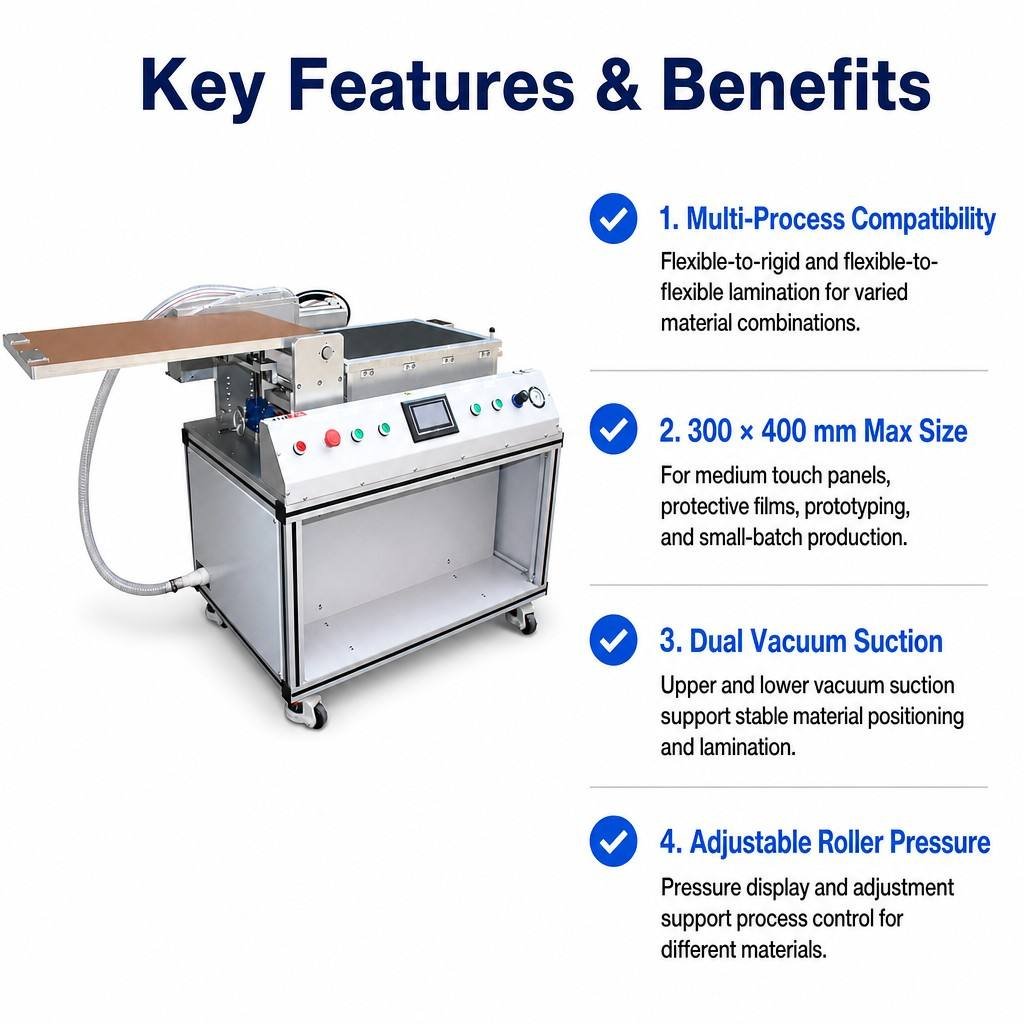
Uniform pressure distribution via mesh screen technology The polyester mesh screen layer acts as a compliant pressure distribution medium, spreading roller force evenly across the full 300 × 400 mm working area on every stroke. This is especially important for thin functional films, OCA optical adhesive layers, and soft-to-soft lamination applications where direct rigid roller contact produces uneven bonding quality at panel edges and film margins.
Servo-driven platform for production-grade repeatability Servo motor control of the lower platform maintains ±0.05 mm control axis repeatability, sustaining consistent bonding stroke accuracy across thousands of cycles and multiple product changeovers — without drift or accumulated positioning error.
Mobile cabinet design for flexible production floor integration The full-height cabinet base with lockable castors allows the machine to be moved and repositioned as production line layouts change, without requiring fixed floor mounting or dedicated floor space allocation.
Multi-film and multi-bond-mode compatibility from one platform Soft-to-hard and soft-to-soft bonding modes in a single machine, covering OCA, AB adhesive, polarizer, protective, and functional sheet film types. Recipe-based parameter switching reduces changeover to under 15 minutes for existing specifications.
Designed for the optical bonding production chain The mesh film laminator is the film pre-lamination station within the standard industrial display bonding workflow: Surface Cleaning → Film Lamination (this machine) → Vacuum Full Bonding → High-Pressure Autoclave Defoaming. Its output format — film pre-laminated substrate — feeds directly into downstream vacuum bonding equipment without intermediate handling steps.
Product Documents
300x400 mesh film laminator specification
Key Features
Product Details
FAQ
Q1: What makes this a "mesh" film laminating machine, and how is it different from a standard roller laminator?
Q2: What film types and bonding modes does this machine support?
Q3: What panel sizes does the 300 × 400 mm working area accommodate?
Q4: How does the mesh screen prevent bubbles during lamination?
Q5: How does the mesh screen compare to the vacuum chuck platform used in other laminators?
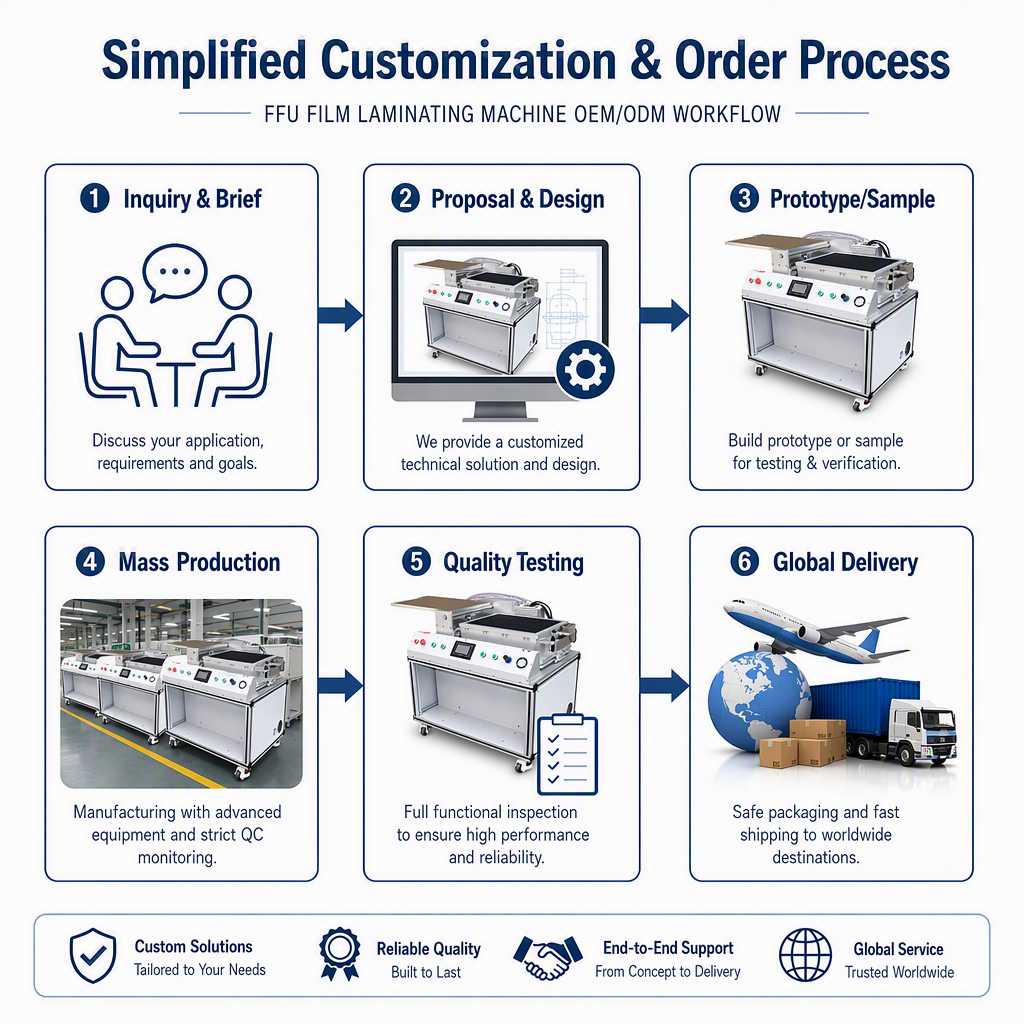
Q6: Is OEM or custom-specification ordering available?
Interested in This Product?
Tell us your project details and our team will prepare a customized quotation.
GET QUOTE NOW